








The Humidity Effect: A Double-Edged Sword
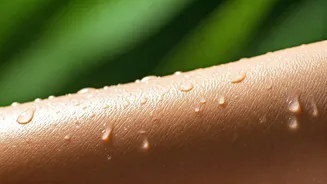
The defining feature of the monsoon is high humidity, which can soar above 80% in many parts of India. [6] This intense moisture in the air has a complex effect on your skin. On one hand, it can give a dewy glow. On the other, it signals your sebaceous
glands to produce more oil (sebum). [6, 14] This excess oil, combined with sweat, creates a sticky film that traps dust, pollutants, and dead skin cells on your skin's surface. [9] The result is what's often called "skin congestion": clogged pores that lead to blackheads, whiteheads, and pimples. [4, 9] This constant dampness can also weaken the skin's natural protective barrier, making it more vulnerable to irritation and environmental damage. [2, 3]
A Perfect Breeding Ground for Infections
That warm, moist environment isn't just uncomfortable; it's a playground for microorganisms. [3] The monsoon season sees a significant spike in bacterial and fungal skin infections because these microbes thrive in damp conditions. [10] Fungal infections like ringworm and athlete's foot are incredibly common, often appearing in skin folds such as underarms, the groin, and between the toes—areas where moisture gets trapped. [2, 10, 15] Another common issue is folliculitis, an infection of the hair follicles that presents as small, itchy red bumps, often mistaken for acne. [7, 13] This can be triggered by bacteria thriving in sweaty conditions or wearing damp clothes for extended periods. [4, 7]
How Your Skin Type Reacts
Not all skin is affected equally. For those with already oily or combination skin, the monsoon can feel like a constant battle against grease and breakouts. [14] The increased humidity and sebum production can feel overwhelming. [19] Ironically, even people with dry skin can suffer. While the humidity prevents the tight, stretched feeling of winter, the constant moisture can disrupt the skin barrier, leading to flare-ups of conditions like eczema and dermatitis. [2, 15] Some may also experience dryness due to dehydration from excessive sweating, as the body loses a lot of water content. [4] It’s a confusing time where skin can feel both oily on the surface and dehydrated underneath. [12]
Your Monsoon Skincare Action Plan
Adapting your routine is crucial. The goal isn't to strip your skin, but to rebalance it for the humid conditions. Start by cleansing your face twice a day with a gentle, pH-balanced cleanser to remove excess oil without disrupting the skin barrier. [17, 23] For oily, acne-prone skin, a cleanser with salicylic acid can be effective at keeping pores clear. [16, 21] Next, exfoliate, but gently. Over-exfoliating can damage the skin, so stick to once or twice a week with a mild chemical exfoliant like an AHA or BHA. [5, 8] This will help remove the buildup of dead skin cells. Contrary to what you might think, you must moisturise. Skipping it can cause your skin to produce even more oil to compensate. [6] Opt for lightweight, non-comedogenic, gel-based moisturisers that hydrate without feeling heavy. [20, 21] Ingredients like hyaluronic acid are great for providing hydration without greasiness. [11, 22]
Don’t Skip the Sunscreen
One of the most common mistakes during the monsoon is ditching sunscreen. [24] Just because the sky is grey doesn't mean harmful UV rays aren't penetrating the clouds. [8, 16] These rays still cause tanning, pigmentation, and premature ageing. In fact, sun damage can worsen the dark spots left behind by acne. [16] Choose a broad-spectrum sunscreen with at least SPF 30. [24] Gel-based or matte-finish formulas are ideal for oily skin in humid weather, as they absorb quickly and won't feel sticky or heavy. [20, 24]
Simple Lifestyle Adjustments
Beyond products, a few lifestyle changes can make a big difference. Always change out of damp or wet clothes as soon as possible to prevent fungal growth. [2] Wear loose, breathable cotton fabrics to allow for better air circulation. [5] Using an antifungal powder in areas prone to sweat can also be a great preventive measure. [8, 14] Pay attention to your diet as well; drinking plenty of water helps flush out toxins, while avoiding overly greasy and fried foods can help manage oil production. [24] Finally, try to avoid touching your face frequently, as this can transfer dirt and bacteria, leading to more breakouts. [8]