



From Handshake to Deep Embrace
The relationship between the Indian Space Research Organisation (ISRO) and the National Aeronautics and Space Administration (NASA) has evolved from cautious cooperation to a robust strategic partnership. While early collaborations existed, the relationship was
previously hampered by sanctions and geopolitical tensions. However, the last few years have seen a dramatic acceleration. Key agreements like the Artemis Accords, which India signed in 2023, have laid the groundwork for this new phase. Most recently, the ninth U.S.-India Civil Space Joint Working Group (CSJWG) meeting in Bengaluru in August 2026 reaffirmed this commitment, focusing on expanding civil and commercial space cooperation. This isn't just about sharing data; it's about building a shared future in space.
The Crown Jewels: NISAR and Artemis
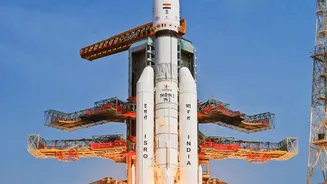
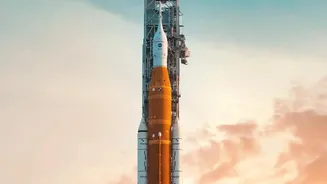
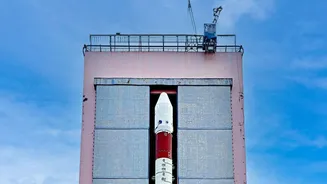
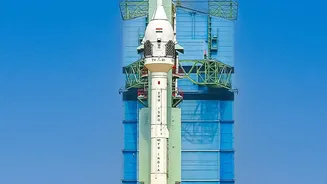
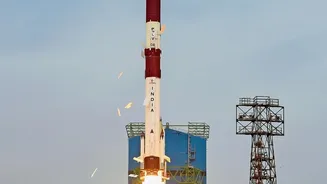
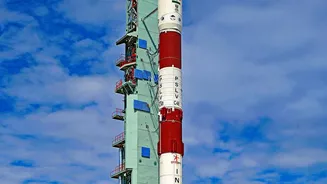
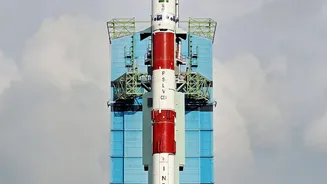
Two landmark projects define the current collaboration. The first is the NASA-ISRO Synthetic Aperture Radar (NISAR) mission, which successfully launched in 2025. This sophisticated Earth-observing satellite is the first to use dual L-band and S-band radar frequencies to map our planet's surface with unprecedented detail, tracking changes in everything from glaciers to land subsidence. It's a technological marriage, with NASA providing the L-band radar and ISRO providing the S-band radar, satellite bus, and launch vehicle. The second pillar is human spaceflight. India's participation in the Artemis Accords paves the way for joint lunar exploration. This includes training Indian astronauts at NASA's Johnson Space Center for missions to the International Space Station (ISS) and a recent invitation for ISRO to join NASA's ambitious Moon Base program.
The Geopolitical Constellation
This partnership is not happening in a vacuum. It represents a significant strategic alignment in a new, multipolar space race. Where the 20th-century race was a bipolar contest between the US and the Soviet Union, today's landscape is more complex, with China emerging as a formidable space power. The India-US collaboration is widely seen as a democratic counterweight to the ambitions of China and its partner, Russia. By aligning on principles of peaceful, transparent, and sustainable exploration through the Artemis Accords, India and the US are leading a coalition of like-minded nations. This alliance extends beyond civil space, with initiatives like the U.S.-India Initiative on Critical and Emerging Technology (iCET) linking cooperation in space to semiconductors and defence.
Fuelling India's Private Space Boom
The collaboration is also a major catalyst for India's burgeoning private space industry. The opening of ISRO's facilities and the increasing number of joint ventures are creating immense opportunities for Indian startups. This partnership facilitates technology transfer, market access, and integration into global supply chains. As the US looks for reliable partners, India's cost-effective engineering and growing talent pool make it an attractive ally. This commercial synergy helps both nations build a more resilient and innovative space ecosystem, moving beyond government-led projects to a vibrant commercial marketplace in low-Earth orbit and beyond.
A New Race for a New Frontier
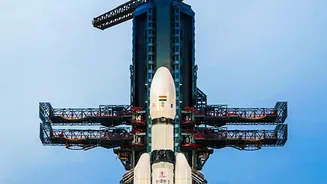
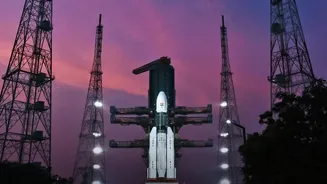
The India-US space collaboration signals a fundamental shift in global power dynamics. India is no longer just a participant but a leading player, shaping the rules and future of space exploration. The old race was about planting flags; the new one is about planting infrastructure, from the ISS to a future lunar base. NASA’s invitation for ISRO to participate in its Moon Base program is a testament to India's proven capabilities, especially after the historic landing of Chandrayaan-3 on the lunar south pole. By working together, the two democracies are not just aiming for the Moon, but are building a framework for humanity's sustained presence in deep space, setting a precedent for international cooperation for generations to come.