






What Exactly Is Lemon Zest?
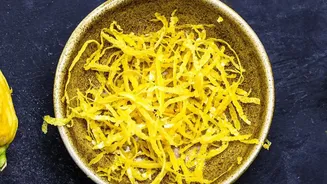
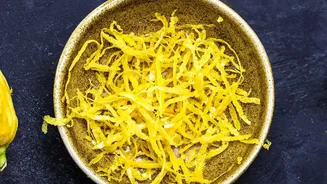
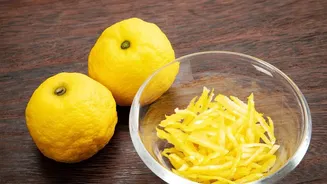
Before you can master lemon zest, it’s important to know what it is—and what it isn't. The zest is only the thin, yellow outermost layer of the lemon's peel. This colourful part of the rind is where the fruit's aromatic and flavorful essential oils are
concentrated. Just beneath this layer is the pith, the soft, white part of the peel. While the zest is bursting with bright citrus notes, the pith is known for its bitterness and should be avoided to ensure your desserts have a pure, pleasant lemon flavour. Though some recipes might use the terms 'peel' or 'rind' interchangeably with 'zest', for most desserts, you only want that flavourful yellow layer.
Choose the Right Tool for the Job
You don’t need a drawer full of gadgets, but the right tool makes zesting much easier. The most popular and effective tool is a microplane grater. Its small, sharp teeth efficiently remove the zest in fine, fluffy pieces that are perfect for incorporating into batters and doughs, leaving the bitter pith behind. A traditional box grater can also be used; simply use the side with the smallest holes. For cocktail garnishes or long, thin decorative strips, a channel knife is the ideal tool. In a pinch, a standard vegetable peeler or a sharp paring knife can be used to remove the peel in wider strips, which you can then finely chop by hand.
The Golden Rule: Avoid the Pith
Regardless of the tool you choose, the most crucial technique is to apply light pressure. The goal is to scrape off only the yellow zest. As soon as you see the white pith underneath, it's time to rotate the lemon and move to a new section. This prevents the bitter compounds in the pith from making their way into your dessert. A good practice is to wash and dry your lemons thoroughly before you begin. For the best results, always zest a firm, whole lemon before you juice it; trying to zest a soft, squeezed lemon is a much more difficult task.
Unlock Maximum Flavour with This Simple Trick
Here’s a professional tip that makes a huge difference: rub the lemon zest directly into the sugar called for in your recipe. Before you start mixing your other ingredients, combine the granulated sugar and fresh zest in a bowl. Use your fingertips to rub them together for a few minutes. The abrasive sugar crystals will help break down the zest, releasing its fragrant essential oils. This process infuses the sugar itself with a powerful lemon aroma and flavour, ensuring that the citrusy brightness is distributed evenly throughout your cake, cookies, or muffins. The sugar will become fragrant and may even take on a pale yellow hue.
Why Zest Is Different From Juice
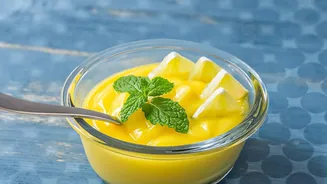
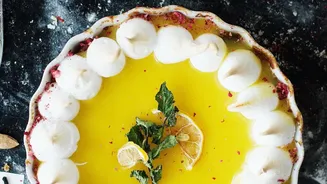
While both come from the same fruit, zest and juice play different roles. Lemon juice provides tartness and acidity, while zest provides a pure, aromatic lemon flavour without the sourness. Because zest is comprised of oils, it doesn't add extra liquid to a recipe, which is crucial in baking where the ratio of wet to dry ingredients is delicate. Adding zest is the best way to get a powerful lemon flavour into things like cookies or pie crusts without making them soggy. For the most complete and robust lemon flavour in a dessert, like a lemon loaf or curd, it is often best to use both the zest for its aroma and the juice for its bright tang.
Storing Leftover Zest
Fresh zest has the most potent flavour because its oils are volatile and evaporate when exposed to air. If you zest a lemon but don't need it right away, it’s best to store it properly. For short-term use, you can keep it in the fridge for a few days in an airtight container. For longer storage, the freezer is your best option. Spread the zest on a small baking sheet lined with parchment paper and freeze until solid, then transfer it to a freezer-safe bag or container. This method prevents clumping and allows you to use exactly what you need. Frozen zest can last for up to three months and can be used directly from the freezer without thawing.