





The Rise of Digital Detox
The average Indian spends over seven hours a day on screens, leading to increased stress, poor sleep, and a constant feeling of being overwhelmed. This digital burnout is fuelling a powerful counter-movement: the digital detox. Travellers are no longer
just seeking a change of scenery; they want a complete mental reset. Reports show a significant portion of Indian travellers prioritise relaxation and disconnecting on holiday. This isn't just a fleeting trend. The global market for digital detox holidays is projected to grow exponentially, and India, with its vast, quiet landscapes, is uniquely positioned to meet this demand. The goal is to trade screen time for genuine presence, reducing the stress hormone cortisol and improving focus and well-being.
Himalayas: The Perfect Unplugged Backdrop
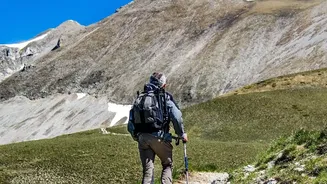
When it comes to disconnecting, location is everything. The Himalayan valleys, with their majestic peaks, sparse connectivity, and tranquil atmosphere, offer the ideal environment. Recent data from travel platforms shows a huge surge in searches for quieter Himalayan destinations like Dharamshala and Rishikesh, with growth rates as high as 154%. Travellers are intentionally choosing destinations known for meditation centres, forest trails, and a slower pace of life. The inherent remoteness of these areas makes unplugging less of a choice and more of a natural state, allowing for deeper immersion in nature and self-reflection without the constant temptation of a digital world.
Homestays Over Hotels: A Search for Authenticity
This trend is not just about escaping technology but also about finding authentic connection. Instead of anonymous luxury hotels, travellers are choosing family-run homestays nestled in remote villages. These homestays offer more than just a room; they provide a window into a different way of life. Guests share meals with local families, learn traditional cooking, and participate in daily routines, from farming to local festivals. This shift represents a deeper change in travel values, prioritising genuine cultural exchange and human connection over the standardised comforts of a commercial resort. It is a move towards 'slow travel'—a more meaningful and immersive way to experience a place.
The 'Hushpitality' Experience
The travel industry has even coined a term for this movement: 'hushpitality'. It describes travel centred on tranquillity, nature, and a slower rhythm. Off-grid homestays are the epicentre of this philosophy. Many are built with traditional, sustainable materials like mud and bamboo, designed to be in harmony with the surrounding environment. The experience is about waking up to mountain views instead of alarms, drinking tea on a balcony with no agenda, and swapping the blue light of a phone for the glow of a sunset. It is a conscious choice to embrace simplicity, strengthening real-life relationships and allowing for the mental clarity that only true quiet can bring.
A Sustainable Model for the Future
The rise of these unplugged homestays also offers a sustainable economic model for remote communities. Initiatives like the Global Himalayan Expedition have helped villages establish solar-powered micro-grids and develop homestay tourism. This provides local families with a vital alternative income, which helps preserve their cultural heritage and reduces the pressure to migrate to cities. By choosing these off-grid stays, travellers are not only investing in their own well-being but also contributing directly to the resilience and empowerment of the communities they visit, ensuring that the unique charm of these Himalayan valleys is preserved for years to come.