


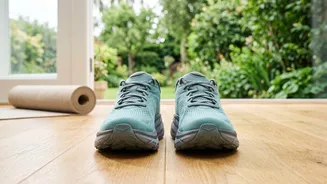
The Silent Strain of Sitting
Our bodies are built for movement. When we sit for extended periods, we enter a state that works against our natural design. Prolonged sitting puts continuous pressure on weight-bearing joints, particularly the spine, hips, and knees. This can lead to
a cascade of issues. In a seated position, hip flexor muscles can shorten and tighten while the gluteal muscles weaken from disuse. This imbalance can tilt the pelvis forward, increasing the curve in the lower back and creating compression in the spinal joints. Over time, this constant, low-level stress can contribute to chronic pain, disc issues, and joint stiffness. Joints stay lubricated through movement, so long periods of inactivity mean less of the synovial fluid that keeps them healthy, which can accelerate wear and tear and even contribute to conditions like osteoarthritis.
Muscles: Your Body's Natural Armour
If sitting is the problem, then muscle is the solution. Think of your muscles as a sophisticated, built-in support system for your skeleton. Strong, engaged muscles act as dynamic shock absorbers, dispersing the forces that travel through your body during any activity, from walking to simply standing up. When muscles are weak, this force is transferred directly to the ligaments, cartilage, and bones of the joint, increasing strain and risk of injury. Properly conditioned muscles ensure your joints are stable and correctly aligned, preventing the kind of abnormal movements that wear down cartilage over time. For example, strong quadriceps have been shown to correlate with less cartilage loss in the knee. In essence, building muscle moves pressure away from your vulnerable joints and onto tissues designed to handle the load.
The Protective Trio: Core, Glutes, and Back
While all-around strength is beneficial, three muscle groups are particularly vital for protecting your weight-bearing joints from the effects of a sedentary job. First, the core—which includes the abdominal muscles, obliques, and lower back—acts as a muscular 'box' that stabilizes your entire trunk. A strong core supports the spine, maintains good posture, and distributes forces evenly, preventing overload on your vertebral discs. Second are the glutes, the largest muscle group in your body. Strong glutes are crucial for pelvic stability, proper hip function, and even knee alignment. When your glutes are weak, other areas like the lower back often overcompensate, leading to pain. Finally, the muscles of the upper and mid-back are essential for counteracting the forward hunch that so often develops at a desk, keeping your shoulders back and your spine in a healthier, neutral position.
Building Your Joint Defence System
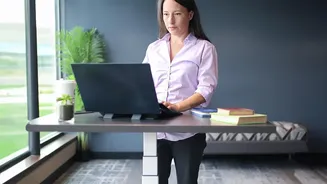
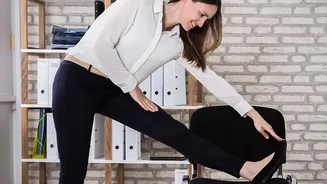
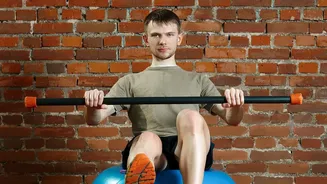
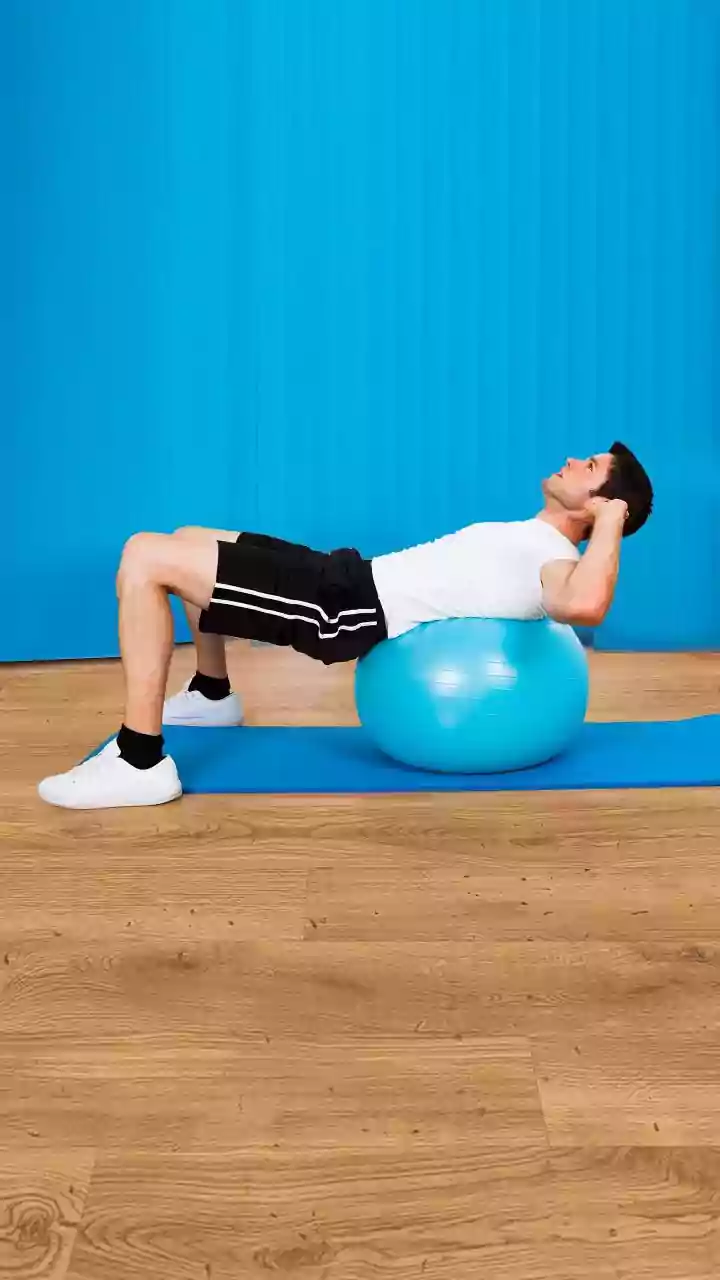
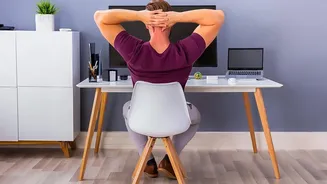
You don't need to become a professional athlete to build protective muscle. The key is consistency with targeted, functional exercises. Incorporate movements that strengthen the key protective groups. Squats and lunges are excellent for building up the glutes and leg muscles that support the knees and hips. Planks and bird-dog exercises are fantastic for developing core stability without putting stress on the back. Glute bridges specifically target and activate the gluteal muscles that often become dormant from sitting. Even simple bodyweight exercises, when done with proper form, are highly effective. Beyond formal workouts, focus on integrating more movement into your day. Set a timer to stand up and walk around every hour. Take calls while standing or do some simple stretches at your desk, like trunk rotations or leg lifts. These small, consistent efforts help keep your muscles engaged and your joints lubricated, providing a powerful defence against the strains of modern work life.