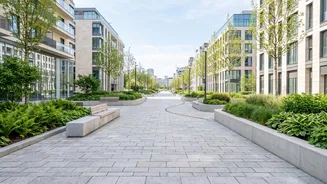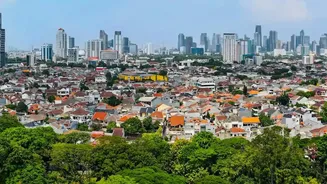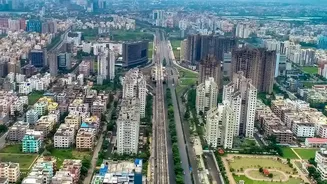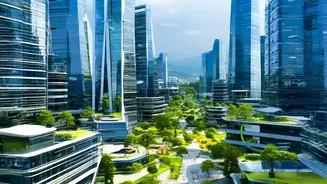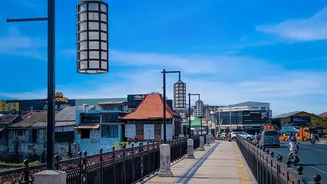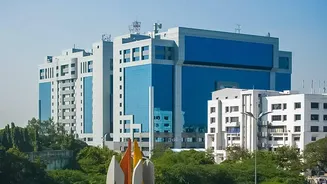






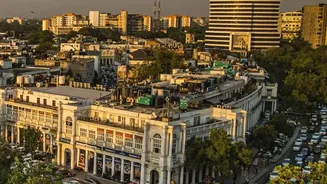

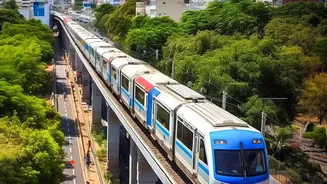
For decades, the sound of India’s urban growth was the roar of traffic. But a significant shift is underway. Across the country, cities are beginning to reclaim their streets for people, transforming congested roads into walkable avenues.
A Nationwide Shift in Perspective
The chaotic,
vehicle-dominated streetscape, long accepted as a fact of Indian urban life, is finally being challenged. A new philosophy is taking root in municipal offices and planning departments, one that prioritises the pedestrian. This change is driven by a growing understanding that walkability is not a luxury, but a cornerstone of a healthy, equitable, and economically vibrant city. National programmes like the 'Streets for People Challenge', launched by the Ministry of Housing and Urban Affairs, have encouraged cities to pilot projects that make streets safer and more accessible. The initiative has spurred cities to test low-cost, innovative ideas, transforming stretches of roads into pedestrian-friendly zones and gathering crucial citizen feedback. This movement isn't just about wider footpaths; it's about reimagining streets as public spaces for socialising, leisure, and community life, moving away from a model designed solely for cars.
Chennai's 'Mega Streets' Vision
Chennai is at the forefront of this transformation with its ambitious 'Mega Streets Project'. The plan aims to overhaul 150 km of roads across several neighbourhoods, following principles that ensure mobility for all, including cyclists, the elderly, and children. The project envisions streets with dedicated spaces for walking, cycling, public seating, and even designated areas for street vendors. One of the core tenets is to create resilient infrastructure by placing utilities in organised underground ducts, aiming to prevent the constant digging up of roads for the next 30 years. While the vision is grand, implementation has faced hurdles. For instance, the pedestrian plaza project on Monegar Choultry Road has seen significant delays, impacting local businesses, though officials expect completion soon. Despite these challenges, the project represents a significant commitment to making Chennai a more liveable global city.
Pioneering Efforts in Bengaluru and Pune
Long before walkability became a national buzzword, cities like Bengaluru and Pune were laying the groundwork. Bengaluru's TenderSURE (Specifications for Urban Roads Execution) project, launched over a decade ago, set a new standard for road design. It introduced evenly paved, continuous footpaths, organised underground utilities, and safer intersection designs that reclaimed public space from traffic. The results have been transformative, with some reports showing a 300% rise in pedestrian usage on redesigned roads. Similarly, Pune has long been a champion of pedestrian rights, adopting a formal Pedestrian Policy and Urban Street Design Guidelines. The city has been lauded for reclaiming road space to create 'experience zones' with public art and activities, and for its plans to pedestrianise major commercial streets like Laxmi Road. These pioneering efforts have provided a valuable blueprint for other cities to follow.
More Than Just Footpaths
This urban rethink goes beyond the physical infrastructure of a footpath; it's about cultivating 'civic social spaces'. In a country where traditional neighbourhoods have always fostered community interaction, modern urban planning is rediscovering the importance of spaces where people can simply 'be'. The goal is to create environments that facilitate social connection, cultural activities, and informal economies. Projects are including amenities like seating for the elderly, play areas for children, and adequate lighting to ensure streets are safe and welcoming for women at night. The Nurturing Neighbourhoods Challenge, another central government initiative, specifically focuses on making public spaces friendly for young children and their caregivers. By clustering amenities and reclaiming underused land for pocket parks, cities are creating healthier, more inclusive environments that improve the quality of life for everyone.
The Road Ahead: Challenges and Opportunities
The path to creating truly walkable cities in India is not without its obstacles. Projects often face significant delays, cost overruns, and criticism for disrupting local commerce during construction. There are also challenges in ensuring that new designs are truly inclusive, for example by avoiding street furniture that obstructs access for persons with disabilities. Integrating the informal economy of street vendors into these new designs in a structured and humane way remains a complex issue. However, the momentum is undeniable. Cities are demonstrating that with political will and citizen participation, it is possible to create streets that are not just corridors for traffic, but destinations in themselves. The focus on data-driven policies, strong government buy-in, and a willingness to learn and scale up successful pilots are proving crucial.