


Why Bajra is a Winter Superfood
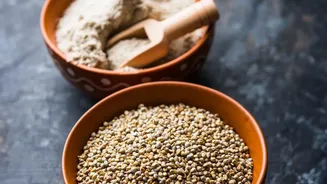
Pearl millet, or bajra, is traditionally considered a 'warming' food in Indian culture, making it a go-to grain during colder months. This is partly due to its dense nutritional profile and the fact that it's digested slowly, which is believed to help
the body generate heat. During winter, our metabolism often slows down, and bajra’s high fibre content helps provide sustained energy, fighting off the laziness that can accompany the season. It's this combination of traditional wisdom and nutritional science that cements its place on the winter menu.
A Nutritional Powerhouse
Beyond its warming properties, bajra is packed with health benefits. It is a fantastic source of essential nutrients like magnesium, iron, phosphorus, and zinc. Magnesium is beneficial for heart health and may help regulate blood pressure, while the high phosphorus content contributes to stronger bones. Being rich in iron, bajra can also help in managing anaemia. Furthermore, it is naturally gluten-free, making it an excellent choice for individuals with celiac disease or gluten sensitivities. Its high dietary fibre content aids digestion, prevents constipation, and promotes a feeling of fullness, which can help with weight management.
Mastering the Art of Bajra Roti
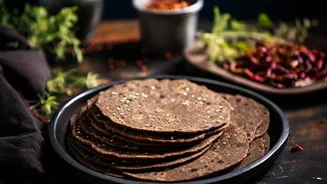
Making bajra roti can seem tricky because the flour is gluten-free, which means the dough can be delicate and prone to breaking. The secret lies in using hot water. To begin, bring water to a rolling boil and add it to the bajra flour and a pinch of salt. Mix it with a spoon first, and once it's cool enough to touch, knead it well for a few minutes until you have a soft, smooth dough. It’s best to make the dough just before you plan to cook the rotis, as it can stiffen as it cools. Traditionally, the rotis are patted into shape by hand. An easier method for beginners is to place a dough ball between two sheets of greased plastic or butter paper and gently press or roll it out. If the dough is still difficult to manage, you can add a small amount of whole wheat flour to make it more pliable.
Cooking and Serving Your Roti
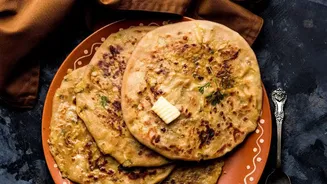
Cook the roti on a hot tawa (griddle) over medium-high heat. Let the first side cook for about 30-40 seconds until you see small blisters, then flip it. Gently press the edges with a folded cloth to ensure it cooks evenly. Flip it a couple more times until both sides have golden-brown spots. The roti will puff up in patches. Bajra roti is best served immediately, hot off the tawa, with a generous smear of ghee or white butter (makkhan). The fat not only adds flavour but also slows digestion further, enhancing the feeling of satiety.
Perfect Pairings for a Hearty Meal
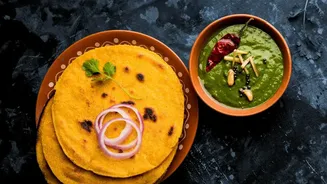
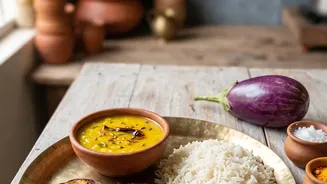
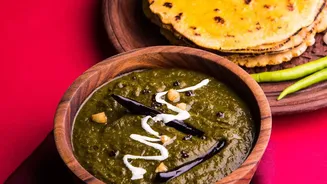
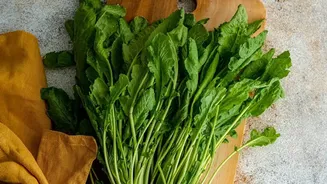
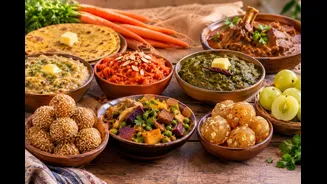
The earthy, nutty flavour of bajra roti demands a companion that is flavourful and provides contrast. Classic pairings vary by region. In Punjab and Haryana, it is famously served with Sarson ka Saag (mustard greens) and a piece of jaggery. In Rajasthan, a fiery Lehsun ki Chutney (garlic chutney) and cooling buttermilk or chaach is the preferred combination. It also goes wonderfully with other winter vegetables like Baingan Bharta (smoky eggplant), Palak Besan Sabzi, or any lentil-based dal. Adding a side of dal or a squeeze of lemon can also help the body better absorb the iron from the millet.