





Why Blends Are Better
Not all proteins are created equal. For muscle repair, your body needs all nine essential amino acids—the building blocks of protein that the body can't make itself. While animal proteins like whey are 'complete,' most individual plant proteins are not.
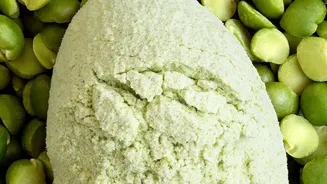
This is where blends become powerful. By combining different plant sources, manufacturers create a complete amino acid profile. A common and effective combination is pea and rice protein. Pea protein is rich in most amino acids but can be low in methionine, while rice protein is a good source of methionine. Together, they form a complete protein that provides your muscles with all the necessary components for repair and growth, rivaling the effectiveness of whey.
Hunt for Leucine, the Muscle Trigger
Among the essential amino acids, one reigns supreme for muscle building: leucine. Think of leucine as the switch that initiates muscle protein synthesis (MPS), the process of repairing and building muscle tissue after exercise. To maximize gains, you need to consume enough leucine, with many experts suggesting a target of 2.5 to 3 grams per serving to effectively flip that switch. When choosing a plant protein blend, check the label for its leucine content. Soy protein isolate is a plant-based powerhouse that is naturally high in leucine. Many modern pea and rice blends are also fortified or specifically formulated to have a higher leucine content, sometimes by adding free-form amino acids to the mix. Studies have shown that a plant-based blend with added leucine can stimulate muscle growth to the same extent as whey protein.
Perfect Your Protein Timing
For years, fitness enthusiasts have been obsessed with the post-workout 'anabolic window'. While the idea of a strict 30-minute window is now considered less critical, consuming protein within a couple of hours after your workout is still ideal for maximizing muscle building. However, recent research highlights that your total daily protein intake and how you distribute it might be even more important. Instead of focusing solely on a post-workout shake, aim to spread your protein consumption evenly throughout the day across three to four meals. Some research also points to the benefits of a protein-rich breakfast, which can help kick-start muscle protein synthesis after an overnight fast and contribute to greater muscle growth and strength.
Getting the Right Amount
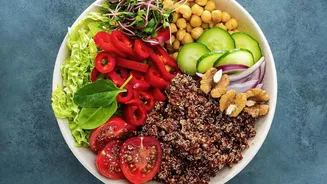
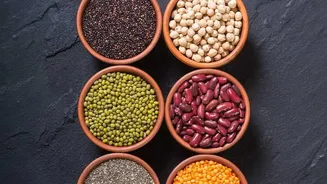
To support active muscle growth, your protein needs are higher than that of a sedentary person. The general recommendation for active individuals aiming to build muscle is between 1.2 to 2.0 grams of protein per kilogram of body weight per day. For a 70 kg individual, this would be between 84 and 140 grams of protein daily. A typical serving of a plant-based protein blend provides 20-25 grams of protein, making it an efficient way to help you meet this higher target. However, supplements should do just that—supplement a healthy diet. Focus on getting the majority of your protein from whole food sources like tofu, tempeh, lentils, beans, and quinoa, and use protein blends to conveniently fill in the gaps, especially around your workouts or during busy days.
Beyond the Shaker Bottle
While a post-workout shake is convenient, relying on it as your only method of consumption can get monotonous. The beauty of protein blends is their versatility. Unflavored or vanilla-flavored powders are particularly easy to incorporate into your daily meals to boost your overall protein intake without much effort. You can stir a scoop into your morning oatmeal or yogurt, blend it into a fruit smoothie for a complete meal replacement, or even add it to pancake or muffin batter. This approach not only helps you reach your daily protein goals more easily but also ensures a steady supply of amino acids to your muscles throughout the day, supporting continuous repair and growth.