




The Numbers Don't Lie: A Decisive Shift
For decades, the Indian travel calendar was predictable. Summer and winter were for holidays; the monsoon was for staying home. That's no longer the case. Recent reports from major travel platforms confirm a dramatic shift. One report from July 2026 noted
a nearly 54% year-on-year increase in hotel bookings for the monsoon period, with bus bookings surging by a staggering 140%. Another major hotel group reported that its July bookings were pacing almost 10% ahead of the previous year, signalling a clear end to the traditional off-season lull. This isn't a niche trend but a fundamental change in travel habits, driven by a desire for more frequent, shorter breaks and unique, nature-based experiences.
Why The Sudden Rush?
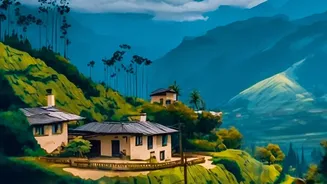
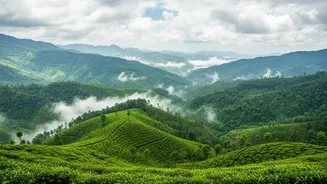
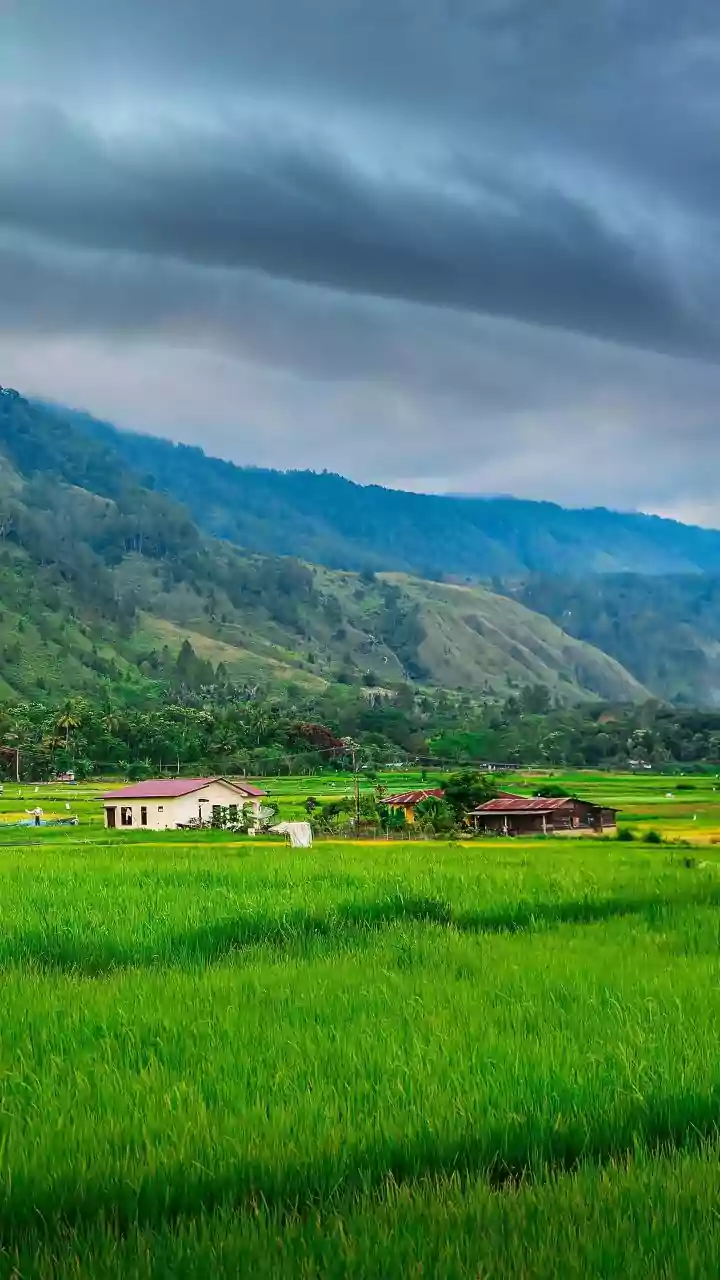
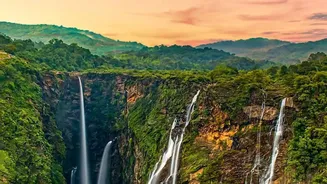
Several factors are fuelling this monsoon mania. The primary driver is a change in mindset; travellers are now chasing experiences over destinations. The allure of seeing familiar places transformed into lush, green spectacles is a powerful draw. Social media is filled with images of mist-covered hills in the Western Ghats and roaring waterfalls in Meghalaya, creating a strong visual pull. Furthermore, the rise of flexible and hybrid work models has untethered many from the rigid holiday calendar. These 'workations' allow people to travel during what were once considered off-peak months. This sustained demand means the deep discounts of previous monsoon seasons are becoming rarer, as hotels maintain stronger pricing power year-round.
The New Monsoon Hotspots
While classic destinations like Goa and Kerala remain popular—with Goa seeing a 110% jump in hotel bookings—the real story is the emergence of new hotspots. The Northeast has become a breakout star, with Nagaland and Arunachal Pradesh recording over 90% growth in hotel bookings. Hill stations in the south are also booming. Wayanad in Kerala has seen bookings grow by over 160%, with Alleppey close behind at 145%. In the north, destinations like Rishikesh and Mussoorie have seen searches increase by over 200% and 160% respectively, catapulting them into the top-searched domestic destinations. Even the cities of Rajasthan, such as Udaipur, are drawing travellers with the promise of rain-washed heritage sites and full lakes.
What This Means for the Traveller
The end of the quiet season has both pros and cons. While the monsoon still offers landscapes and experiences unavailable at other times of the year, the benefits of fewer crowds and rock-bottom prices are diminishing. Planning is now essential. Spontaneous trips to popular spots like Lonavala or Munnar might result in fully booked hotels and higher prices. Flexibility is also key; with unpredictable weather, booking refundable travel and having backup plans is more important than ever. The upside is that the travel industry is responding with more organised offerings, from curated monsoon holiday packages to improved infrastructure in previously hard-to-reach areas, making rainy-season travel more accessible than before.