

Why the Cut Is King
Before you even think about spices, consider the knife. The way you chop a vegetable has a profound impact on its flavour, texture, and cooking time. A finely diced carrot in a soup will soften and release its sweetness into the broth, while the same
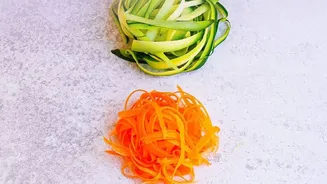
carrot cut into thick batons and roasted will caramelise and offer a satisfying bite. The size and shape of a vegetable cut determine its surface area. More surface area means faster cooking and a greater ability to absorb flavours from oil, butter, or marinades. This single principle is the foundation of versatile vegetable cooking. A large dice is perfect for slow-cooked stews where you want the vegetable to hold its shape, whereas a fine julienne (thin matchsticks) is ideal for a quick stir-fry or a fresh, crunchy salad.
Mastering the Basic Cuts
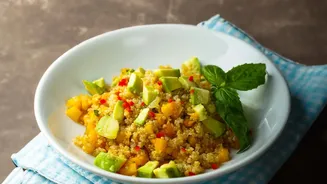
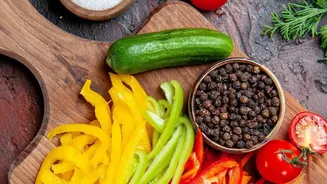
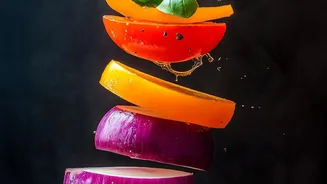
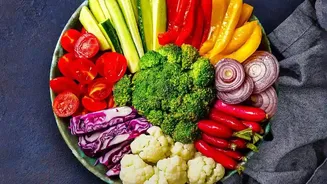
You don't need to be a culinary school graduate to elevate your cooking. A few basic cuts will cover most of your needs. A large dice (about half-inch cubes) works well for roasting vegetables like potatoes and pumpkin. A smaller, medium dice is your go-to for sabzis and curries, ensuring everything cooks evenly. The julienne, or matchstick cut, is fantastic for carrots, capsicum, and zucchini, turning them into perfect additions for slaws, noodles, or spring rolls. And don't underestimate the simple slice or coin, which is perfect for vegetables like cucumber, radish, and bottle gourd (lauki). The key is consistency; uniformly cut vegetables cook at the same rate, preventing some pieces from turning to mush while others remain raw.
Matching the Cut to the Method
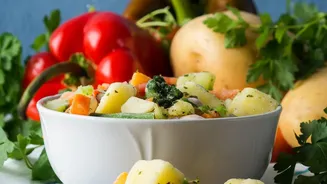
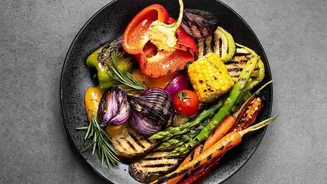
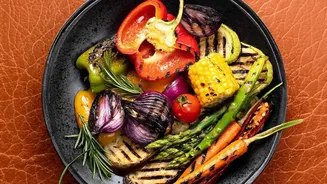
Once you have your cut, the next step is choosing the right cooking method to highlight its best qualities. Larger, chunkier cuts are made for roasting and grilling. The high, dry heat helps to brown the exterior and create a tender, flavourful inside. Finely diced vegetables (a brunoise) are perfect for creating a flavour base in soups and sauces, as they break down easily and meld with the other ingredients. Thinly sliced or julienned vegetables shine in high-heat, quick-cooking methods like stir-frying, where they retain a crisp-tender texture. For leafy greens like spinach and fenugreek (methi), a rough chop is all that's needed before they are quickly wilted in a pan.
A Vegetable's Journey Through the Week
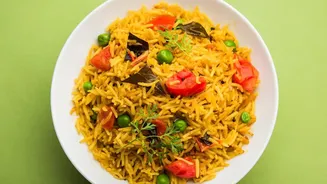
Let’s take one humble, seasonal vegetable: the carrot (gajar), which is readily available in India's winter months. On Sunday, you can prep a batch. Grate a portion to be used in parathas or a fresh salad. Cut another portion into batons for roasting with other root vegetables for a midweek side dish. Dice some into small cubes for a quick vegetable pulao or a classic mixed vegetable curry. Finally, julienne the remaining carrots to be tossed into a stir-fry or used as a crunchy topping for daal. By changing the cut and cooking method, one vegetable offers four distinct textures and experiences, keeping your meals interesting without needing a dozen different ingredients.
Smart Seasonal Strategy
Embracing this method works best when you lean into seasonal produce, which is fresher, more nutritious, and often more affordable. During the summer, think of gourds like lauki and tori, which can be diced for curries or sliced and pan-fried. In the monsoon, leafy greens like spinach (palak) and beans flourish. Winter brings a bounty of cauliflower, peas, and carrots. When you do your weekly shopping, instead of planning rigid recipes, think in terms of ingredients and techniques. Buy a few seasonal staples and dedicate a small amount of time to prepping them in two or three different cuts. Storing these pre-cut vegetables in your fridge makes weeknight cooking significantly faster and more creative.