







A Mission Named 'Arrival'
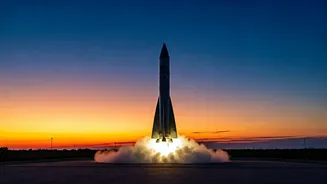
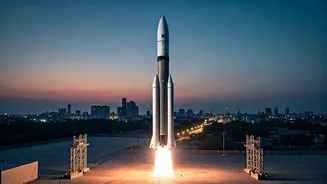
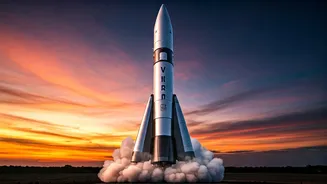
The spotlight on Skyroot Aerospace has intensified with the announcement of its first orbital mission, aptly named 'Mission Aagaman', which translates to 'Arrival'. The company has declared a launch window between July 12 and August 4, 2026, for its Vikram-1
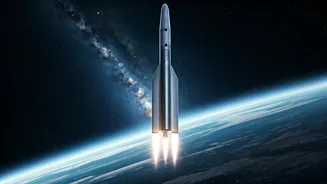
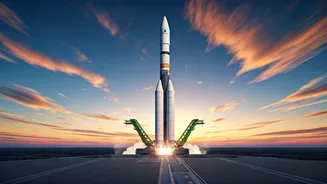
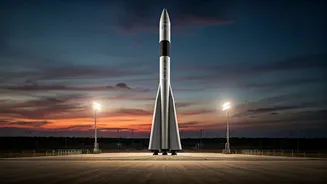
rocket from the Satish Dhawan Space Centre in Sriharikota. This event is not just another launch; it marks India's first attempt to send a privately developed orbital-class rocket into space. The seven-storey, multi-stage vehicle is already integrated and stacked at the launch pad, poised to carry both domestic and international payloads into a low Earth orbit. A successful mission would validate years of design and development, capturing crucial in-flight data that cannot be simulated on the ground and paving the way for full commercial operations.
The Minds Behind the Mission
Skyroot Aerospace was founded in 2018 by Pawan Kumar Chandana and Naga Bharath Daka, two former scientists from the Indian Space Research Organisation (ISRO). They embarked on their entrepreneurial journey with a clear vision: to make spaceflight as regular, reliable, and affordable as air travel. The duo started the company in Hyderabad, leveraging the city's robust engineering ecosystem and support from incubators like T-Hub. Their experience at ISRO provided them with the foundational knowledge to tackle the complex challenge of building rockets from the ground up. Their journey represents a broader trend of seasoned professionals leaving established organizations to pioneer new frontiers in India's burgeoning startup landscape.
Building a Better Rocket
At the heart of Skyroot's strategy is innovation in design and manufacturing. The Vikram series of rockets, named in tribute to Dr. Vikram Sarabhai, the father of India's space program, is a testament to this approach. The Vikram-1 is constructed with an all-carbon composite structure, making it lightweight yet robust. It incorporates advanced technologies like 3D-printed engines and its own in-house developed propulsion systems. This focus on technology is aimed at dramatically reducing launch costs and production times. The company claims the Vikram-1 can be assembled and launched within 24 hours from any launch site, a feature that could revolutionize the small satellite launch market. This rocket is designed to deliver payloads up to 350 kg into low Earth orbit, catering to a growing global demand for small satellite deployment.
Fueling India's Private Space Race
Skyroot's rise has been fueled by significant investor confidence and a supportive policy environment. In May 2026, the company raised $60 million, achieving a valuation of $1.1 billion and becoming India's first space-tech unicorn. This funding round saw participation from major global investors like Singapore's GIC, Sherpalo Ventures, and BlackRock. The company's total capital raised has crossed $160 million, making it the most well-funded private space firm in India. This financial backing is crucial as Skyroot transitions from development to commercial operations. The company reported its first significant revenue of over Rs 100 crore in FY26 from its space systems business, even before its first commercial launch. This momentum is happening within the context of India's 2020 space sector reforms, which opened the doors for private participation and collaboration with ISRO.
The Next Frontier
Mission Aagaman is the successor to Skyroot's 'Prarambh' (The Beginning) mission in November 2022, which saw the successful suborbital flight of the Vikram-S rocket. That launch was a crucial milestone, making Skyroot the first private company in India to send a rocket into space. Now, with Vikram-1, the company is taking a giant leap towards regular orbital launches. CEO Pawan Kumar Chandana has stated that the upcoming flight will cross a threshold the Indian private space industry has never crossed before. Following one or two successful demonstration flights, the company plans to begin full-fledged commercial launches, aiming to carve out a significant share of the global small satellite launch market, which is projected to grow substantially in the coming decade. Skyroot is not just launching a rocket; it's launching a new era for India in space.