




The New Face of Dairy
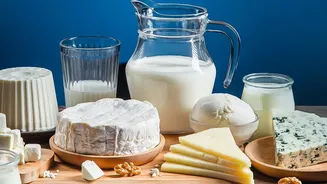
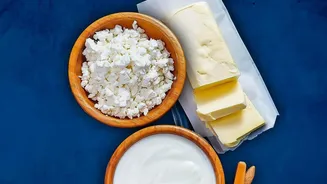
The Indian dairy shelf is getting a makeover. What was once a predictable space dominated by staples is now a hotbed of innovation. Brands are rolling out products like Greek yogurt with double the protein of traditional curd, paneer with enhanced protein content,
and ready-to-drink milkshakes designed for a post-workout boost. Dairy giant Amul has entered the fray with high-protein coffees and milks, while newer players like Milky Mist are commissioning new plants specifically for high-protein products like Skyr and Greek yoghurt. Organic brands such as Akshayakalpa are also launching ultra-filtered, high-protein fresh milk, often with lactose-free options to cater to a wider audience. This shift signifies a move beyond basic dairy to functional foods that promise added health benefits.
A Growing Appetite for Protein
This transformation is not happening in a vacuum. It is a direct response to a fundamental shift in the Indian consumer mindset. There's a rising awareness about health, wellness, and the importance of macronutrients, especially protein. Once considered a niche concern for bodybuilders, protein is now a mainstream dietary priority for urban and millennial populations. This trend is driven by a desire for better fitness, weight management, and overall long-term health, a concern that was accelerated by the pandemic's focus on immunity. Studies show that a significant portion of the Indian population may not be meeting their daily protein requirements, creating a clear market opportunity that the dairy industry is eager to fill.
From Niche to Mainstream
The demand for protein is expanding beyond metropolitan areas like Bengaluru into smaller cities, indicating a nationwide trend. Quick-commerce platforms have reported surges of over 150% in orders for protein products in recent years, with protein yogurt alone seeing a rise of nearly 280%. This growth is prompting both established dairy cooperatives and agile startups to invest heavily. Companies like Parag Milk Foods are entering the protein-snacking category, while cafe chains such as Chaayos and Tata Starbucks are collaborating with dairy and nutrition brands to introduce protein-infused beverages. This clearly shows that high-protein dairy is no longer a niche segment but a rapidly growing mainstream category.
Beyond the Gym
While the fitness community was an early adopter, the target audience for high-protein dairy has broadened significantly. Marketers are now targeting busy professionals who need a convenient, nutritious meal replacement, families looking for healthier snack options, and vegetarians seeking accessible sources of quality protein. India is the world's largest producer and consumer of milk, and products like curd and paneer are already dietary staples. Companies are now focused on communicating the inherent nutritional benefits of these familiar foods and positioning their new, fortified versions as an easy upgrade for a health-conscious lifestyle. The message is simple: you can boost your protein intake without drastically changing your eating habits.
Making Sense of the Labels
As the market floods with new options, it is important for consumers to become savvy label-readers. "High-protein" can be achieved in several ways, including through ultra-filtration, which concentrates the natural milk proteins, or by adding protein concentrates. While these products offer a significant protein boost—some milks now offer 25 grams or more per serving—consumers should also check for other nutritional information. Paying attention to sugar content, artificial sweeteners, and preservatives is crucial to ensure the product aligns with overall health goals. The most effective products are those that deliver clean, high-quality protein without compromising on other aspects of nutrition.