






Master Your Monsoon Commute
Navigating city streets during the monsoon can feel like a daily battle against the elements. The simplest strategy is often to leave earlier than usual to account for inevitable delays. Before you even step out, your smartphone is your best ally. Use
real-time traffic apps like Google Maps or Waze to identify waterlogged areas and find alternative routes. Weather apps such as the official 'Mausam' by the IMD, AccuWeather, or Skymet can provide city-specific forecasts and even minute-by-minute precipitation updates, helping you time your travel between downpours. If you rely on public transport, be prepared for crowded stations and potential delays, especially with metro services during heavy rain. For those driving, a pre-monsoon vehicle check is non-negotiable. Ensure your tyres have good tread, your brakes are effective, and your wipers are in working order to handle slippery roads and poor visibility.
Create a Monsoon-Ready Home
Your home should be a dry sanctuary, not a source of stress. Before the rains intensify, conduct a thorough inspection. Check your roof and walls for any cracks and seal them to prevent seepage and dampness, which can lead to mould and structural damage. Ensure your gutters and drains are clear of debris to prevent water accumulation. The monsoon also brings the risk of frequent power cuts and voltage fluctuations. Protect your expensive electronics like TVs, refrigerators, and ACs by investing in surge protectors. It is also wise to assemble a monsoon emergency kit. This should include essentials like a torch, batteries, a power bank for your phone, a first-aid kit, and a small supply of non-perishable food and clean drinking water.
Prioritise Health and Hygiene
The high humidity and waterlogging common during the monsoon create a breeding ground for germs and mosquitoes. This increases the risk of waterborne diseases like typhoid and vector-borne illnesses such as dengue and malaria. To stay healthy, it is crucial to drink only boiled or purified water and avoid street food, which can be easily contaminated. Maintain personal hygiene by washing your hands frequently with soap. If you get drenched in the rain, change out of wet clothes as soon as possible to prevent fungal infections. Wearing full-sleeved clothing can offer protection from mosquito bites, especially during evenings. Also ensure there is no stagnant water collecting in or around your home, as these are breeding grounds for mosquitoes.
Leverage Smart Tech and Apps
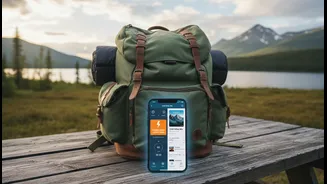
Technology can be a powerful tool for monsoon preparedness. Beyond general weather apps, several government-backed and specialized applications can provide crucial, life-saving information. 'Damini', developed by the Indian Institute of Tropical Meteorology (IITM), gives lightning strike alerts up to three hours in advance. The 'Sachet' app by the National Disaster Management Authority (NDMA) sends geo-tagged alerts for floods, cyclones, and heavy rainfall. For flood-specific updates, the 'FloodWatch India' app by the Central Water Commission provides information from monitoring stations across the country. Having these apps on your phone can provide you with timely warnings, helping you make safer decisions whether you are at home or on the move.