


What is This Natural Solution?
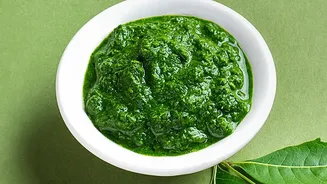
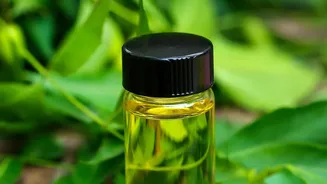
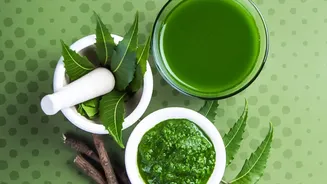
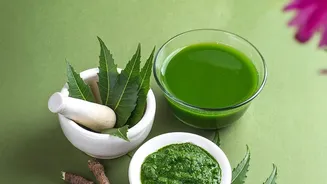
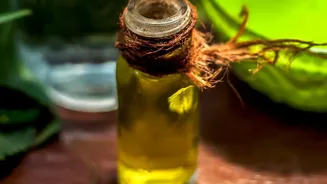
This pest control method combines two simple, yet effective, components. The first is neem oil, a vegetable oil pressed from the fruits and seeds of the neem tree (Azadirachta indica), which is native to the Indian subcontinent. For centuries, it has
been used in traditional medicine and agriculture. The second component is a mild soap, like castile soap. When mixed with water, the soap acts as an emulsifier, allowing the oil and water to combine, and also has insecticidal properties of its own. The result is a spray that serves as both a potent pesticide and fungicide, tackling a wide array of common garden problems.
How Does It Protect Your Plants?
The magic of this mixture lies in its two-pronged attack. The soapy water itself can be effective against soft-bodied insects. The fatty acids in the soap work to wash away the protective outer layer of an insect's body, causing it to dehydrate and die. Neem oil adds another, more complex layer of defence. Its primary active compound, azadirachtin, is a powerful insect growth regulator. When pests ingest the oil by eating treated leaves, the azadirachtin disrupts their hormonal systems, suppressing their appetite, inhibiting growth, and preventing reproduction. Neem oil can also suffocate smaller insects like aphids and mites on contact. This dual action makes the spray a formidable tool for integrated pest management.
The Pests It Effectively Manages
This homemade spray is particularly effective against a wide variety of small, soft-bodied pests that plague vegetable patches, fruit trees, and ornamental plants. Common targets include aphids, spider mites, whiteflies, mealybugs, and thrips. It's also useful for managing the larval stages of some beetles and caterpillars. Beyond insects, neem oil is a capable fungicide, helping to prevent and control common issues like powdery mildew, black spot, and rust. By disrupting fungal spore germination, it stops these diseases before they can take hold or spread further across your garden.
Your Simple, Cost-Effective Recipe
Creating your own protective spray is incredibly simple and much cheaper than buying pre-mixed solutions. For a standard one-litre spray bottle, use the following ratio: mix one litre of warm water with one teaspoon of concentrated, 100% cold-pressed neem oil and about half a teaspoon of a mild liquid soap (avoid detergents). It is important to use warm water to help the oil dissolve. Add the soap to the water first, mix it gently, and then slowly stir in the neem oil. Shake the bottle well before and during application, as the oil and water will try to separate over time. Always make a fresh batch for each use, as the mixture loses its effectiveness within about eight hours.
Proper Application for Best Results
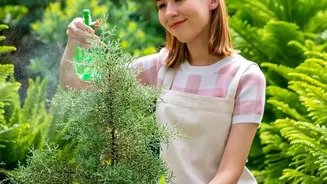
To be effective, the spray must make direct contact with the pests. Apply it thoroughly, ensuring you coat all surfaces of the plant, especially the undersides of leaves where pests like aphids and whiteflies love to hide. The best time to spray is in the early morning or late evening. Applying it in the harsh midday sun can cause the oil to burn the leaves. It's also wise to avoid spraying when beneficial pollinators like bees are most active. For an active infestation, you may need to reapply the solution every four to seven days until the pests are gone.
A Word of Caution for Gardeners
While this solution is natural, it's not completely without risk. Some plants can be sensitive to oil-based sprays. Delicate leafy greens like lettuce and spinach, as well as herbs with tender leaves like basil and parsley, may suffer from leaf burn. Plants with fuzzy leaves can also react poorly. It's always a best practice to test the spray on a small, single leaf 24 hours before treating the entire plant. Though considered safer for beneficial insects than many chemical pesticides, the spray can still harm them on direct contact, so apply it judiciously and only when pests are present.