






The Unlikely Reign of a Molten Treat
When the Indian monsoon arrives, it brings with it a distinct mood—a desire for coziness, a respite from the heat, and an appetite for comfort. Traditionally, this season is marked by cravings for hot chai, crispy pakoras, and a host of regional sweets
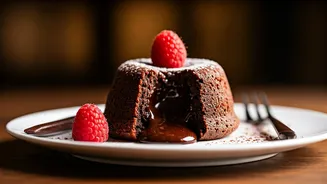
like ghevar and jalebi. Yet, over the past decade, a dark horse has emerged and stubbornly held its ground: the chocolate lava cake. This individual-sized cake with its signature molten centre has become a default dessert for many, transcending its origins as a fine-dining dish to become a widely accessible comfort food. Its journey, particularly its popularisation by chains like Domino's, has cemented its place in India's culinary landscape.
A Symphony of Hot, Cold, and Gooey
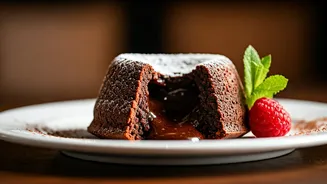
The appeal of the lava cake during the monsoon is deeply sensory. It’s a study in contrasts that perfectly complements the weather. The experience begins with a warm, soft cake exterior giving way to a gushing river of hot, liquid chocolate. This delightful surprise offers an immediate sense of warmth and indulgence that feels tailor-made for a cool, rainy day. Often served with a scoop of cold vanilla ice cream, the dessert plays with temperature and texture, creating a combination that is both exciting and deeply satisfying. This hot-and-cold pairing is a classic comfort formula, providing a rich, multi-sensory experience that few other desserts can match so effectively.
More Than a Dessert, It’s a Feeling
Beyond its taste, the lava cake taps into a powerful psychological space: comfort. Rainy days often evoke a sense of nostalgia and a need for cozy indulgence. The richness of the chocolate and the sheer decadence of the molten centre act as a perfect pick-me-up for the grey, gloomy weather. It’s a dessert that feels like a hug in a bowl. Furthermore, its typical single-serving format makes it a personal treat, an act of self-care. Yet, it’s also highly shareable, a centrepiece for conversations in cafes as friends wait for the rain to subside. This versatility, from a solitary indulgence to a shared joy, has broadened its appeal immensely.
The Cafe Culture and Delivery Connection
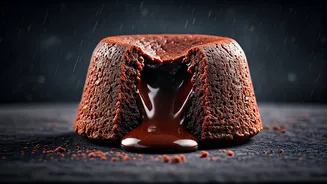
The rise of the lava cake is inextricably linked to the explosion of cafe culture and, more recently, food delivery apps in India. For cafes and restaurants, it’s an ideal menu item: quick to prepare, visually impressive, and highly profitable. The batter can be made in advance, and the cake itself bakes in minutes, ensuring a consistent and speedy service. Its 'Instagrammable' nature, with the dramatic ooze of chocolate, made it an early star on social media, further fueling its popularity. Food delivery platforms like Swiggy and Zomato have made this indulgence even more accessible. Data from previous years shows millions of orders for lava cakes, highlighting it as one of the most-ordered desserts, ready to be delivered hot to doorsteps on a rainy evening.
An Enduring Favourite Among Classics
Does the lava cake's popularity mean traditional monsoon sweets are forgotten? Not at all. Hot jalebis, malpuas, and various regional delicacies like Goan Patoleo or Maharashtrian Modak remain cherished parts of the monsoon experience. These sweets are deeply woven into the cultural fabric of festivals and family gatherings during this season. However, the lava cake has carved out a unique niche for itself. It doesn't seek to replace these classics but coexists alongside them as a modern, cross-cultural comfort food. It represents a different kind of tradition—one born in cafes and kitchens that have embraced global trends while catering to a distinctly Indian craving for something warm, sweet, and celebratory during the rains.