





The Shifting Indian Plate
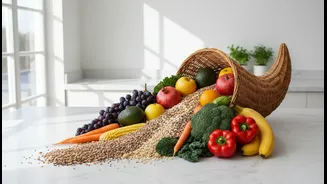
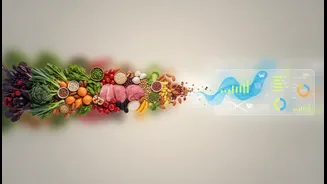
India is in the midst of a massive dietary transition. Traditional, cereal-based diets are slowly giving way to more diverse, and often more processed, options. On one hand, consumption of milk, animal products, fruits, and vegetables is increasing, which
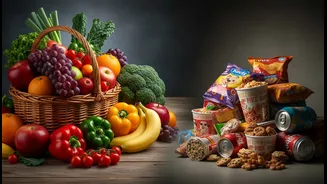
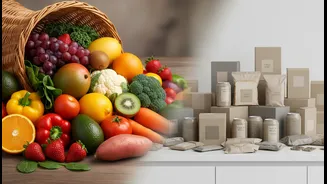
points to greater dietary diversity. On the other, there's a significant and rapid rise in the consumption of ultra-processed foods (UPFs) — packaged snacks, sugary drinks, and ready-to-eat meals. These industrial formulations, high in unhealthy fats, sugars, and sodium, are becoming staples in both urban and rural households. This shift is driven by urbanization, rising incomes, and the aggressive marketing of convenience foods, creating a completely new 'food basket' for millions of Indians.
The Great Nutritional Divide: Calories vs. Nutrients
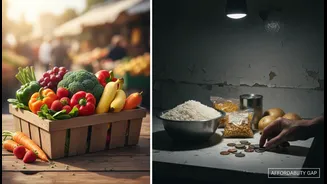
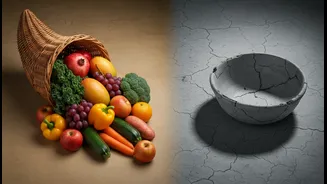
The core of India's nutritional challenge lies in the gap between 'energy intake' (calories) and 'nutrient adequacy' (vitamins, minerals, and protein). It is entirely possible to consume enough or even excess calories and still be malnourished. This phenomenon, often called 'hidden hunger', is severe in India. While a diet rich in UPFs can easily meet daily calorie needs, it often fails to provide essential micronutrients like iron, vitamin B12, vitamin D, and zinc. Studies show that a huge portion of the Indian population suffers from deficiencies in these key nutrients. For instance, anaemia affects over half of women aged 15-49, highlighting a critical iron deficiency. This creates a dual burden: the coexistence of undernutrition (stunting, wasting) with a rapid increase in overnutrition (obesity) and related non-communicable diseases like diabetes and heart disease.
Why Single Numbers Don't Tell the Whole Story
For years, nutritional discussions have been dominated by single metrics like calorie counts or Body Mass Index (BMI). However, these numbers can be dangerously misleading. Focusing only on calories ignores the quality of the food being consumed. A 200-calorie snack of a samosa is vastly different from a 200-calorie bowl of mixed fruit and sprouts. One provides empty calories, while the other is packed with fibre, vitamins, and minerals. Relying on simple numbers masks the complex reality of malnutrition. A person can have a 'normal' BMI but suffer from severe micronutrient deficiencies that impact their health, immunity, and productivity. This flawed, single-number approach fails to capture the nuances of diet quality and can lead to policies that prioritize caloric sufficiency through cheap staples, while inadvertently worsening the hidden hunger crisis.
A Holistic Path to Better Nutrition
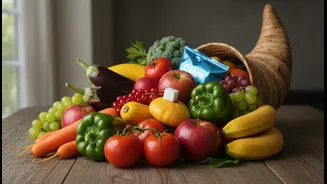
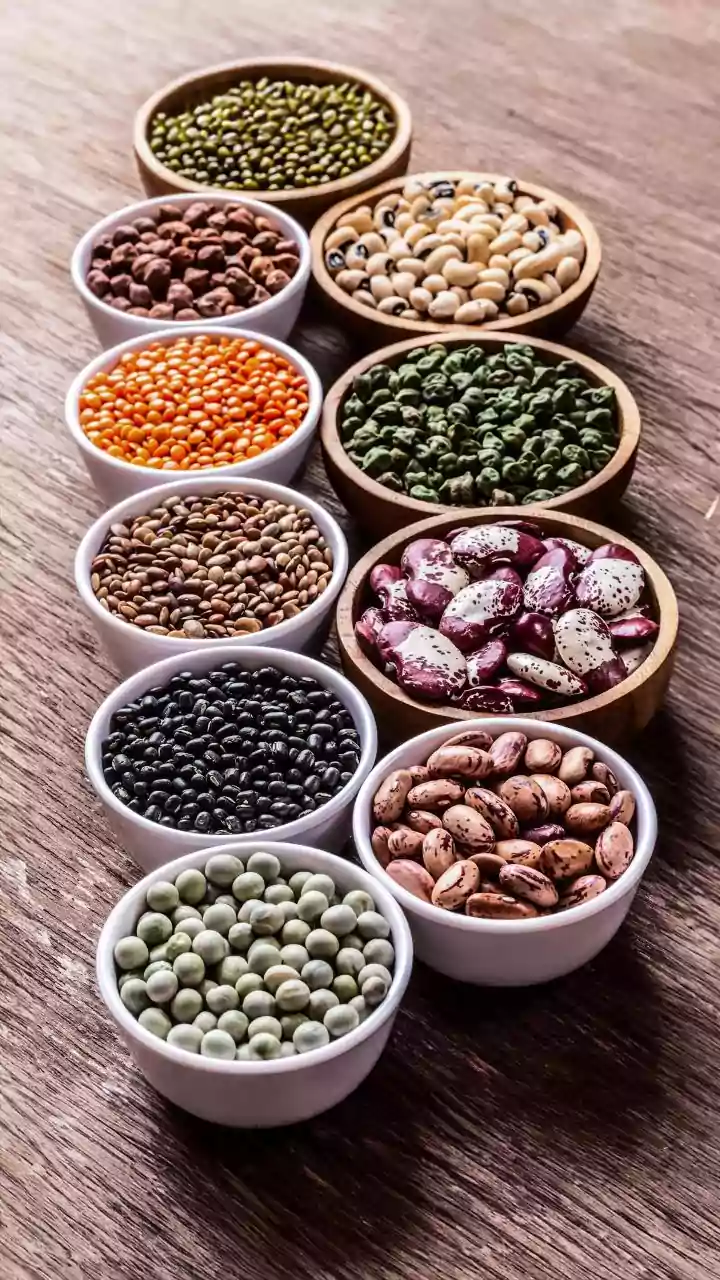
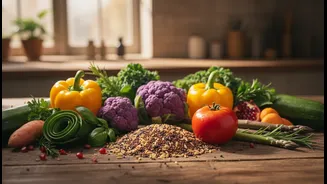
Bridging the gap requires moving beyond simplistic conclusions and embracing a holistic view of nutrition. The changing food basket, despite its risks, also offers opportunities. Increased availability of diverse foods can be a powerful tool if guided correctly. Public health strategies need to shift focus from mere calorie provision to promoting dietary diversity. This involves educating consumers about the importance of nutrient-dense foods like millets, pulses, fruits, and vegetables. Policy interventions are also crucial. This could include food fortification, where essential micronutrients are added to staple foods like salt, milk, and oil, a strategy that has already shown success. Furthermore, clear front-of-pack labelling and regulations on the marketing of unhealthy UPFs, especially to children, can help consumers make more informed choices. The goal is not to demonize changing habits but to steer them towards healthier, more balanced outcomes.