


What Exactly Is Edamame?
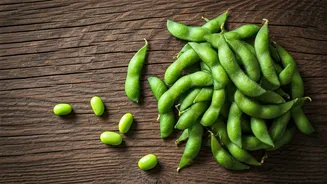
Edamame beans are immature soybeans, harvested before they have ripened and hardened. While they have been a staple in East Asian cuisine for centuries, they are now gaining immense popularity across India for their fantastic nutritional profile and culinary
flexibility. Typically sold frozen, either in their pods or already shelled, they have a subtle, slightly sweet, and nutty flavour that makes them incredibly easy to incorporate into various dishes. Think of them as a powerhouse legume that acts like a vegetable.
The Complete Protein Powerhouse
For anyone on a vegetarian or plant-forward diet, finding 'complete' proteins can be a challenge. Most plant sources lack one or more of the nine essential amino acids our bodies cannot produce on their own. This is where edamame truly shines. It is one of the few plant-based foods that is a complete protein, providing all essential amino acids in one go. A single cup of cooked, shelled edamame packs around 18 grams of high-quality protein, making it comparable to animal-based sources and a cornerstone for muscle repair and overall health.
More Than Just Protein
Beyond its impressive protein content, edamame is a nutritional treasure trove. It is rich in dietary fibre, which aids digestion, promotes gut health, and helps you feel full for longer, making it an excellent food for weight management. These beans are also loaded with essential vitamins and minerals, including a significant amount of folate, vitamin K, iron, and magnesium. Studies have also linked soy consumption to benefits like lower LDL ('bad') cholesterol levels and better blood sugar regulation, making edamame a heart-healthy choice.
Easy to Find and Prepare
You don't need to visit a speciality store to find edamame. It's readily available in the frozen section of most major supermarkets and online grocery platforms across India. Preparing it couldn't be simpler. The most common method is to boil or steam the frozen beans (shelled or in their pods) for about 5-7 minutes until tender. Once cooked, they are ready to be used in countless ways. This convenience removes any barrier to making them a regular part of your diet.
How to Add Edamame to Your Indian Kitchen
The versatility of edamame makes it a perfect fit for Indian cuisine. Start with the basics: steamed edamame pods sprinkled with rock salt make for a perfect, healthy snack. For a local twist, try making an Edamame Sundal by tempering the shelled beans with mustard seeds, curry leaves, and grated coconut. You can also toss them into a vegetable pulao, add them to upma for a protein boost, or blend them into a creamy dip similar to hummus. For a modern take, an Edamame Chaat with chopped onions, tomatoes, and chaat masala is a delicious and refreshing option. They can even be incorporated into South Indian-style curries, where they absorb the flavour of tamarind and spices beautifully.