





A New Culinary Frontier
For years, the urban Indian food scene has been dominated by a familiar rotation of Mughlai, Punjabi, and Indo-Chinese fare. But a growing appetite for authenticity and novelty is paving the way for lesser-known culinary traditions to shine. Enter tribal
cuisine. From the smoky, fiery delights of Nagaland to the subtle, herb-infused dishes of the Khasi hills and the earthy flavours of Santhali kitchens, these foods tell a story of land, culture, and tradition. Once confined to their regions or a few niche eateries, these microcuisines are now becoming more accessible than ever, thanks to a new generation of passionate entrepreneurs.
The Entrepreneurs Behind the Flavours
This movement is being driven by individuals with deep personal connections to the food they serve. Many are migrants from tribal communities who, upon moving to cities like Delhi, Mumbai, and Bengaluru, missed the taste of home. Take, for example, the boom in Naga food businesses. Delhi alone now has around 40 such ventures, including restaurants and delivery services, many started by young Nagas who saw a market among the growing population of Northeastern students and professionals. Similarly, self-taught chefs and food consultants are working to popularise and even modernise cuisines like Santali food, once misunderstood but now celebrated for its unique ingredients and flavours. These entrepreneurs are not just selling meals; they are sharing a piece of their heritage.
The Cloud Kitchen Advantage
The secret ingredient enabling this boom is the micro-cloud kitchen model. These delivery-only kitchens, often operating out of small, low-rent spaces, eliminate the prohibitive costs of opening a traditional restaurant. This low-capital entry point is perfect for specialist chefs who want to focus on a niche cuisine without the financial risk of a full-scale dining establishment. By leveraging food delivery apps like Swiggy and Zomato, a home chef or a small team can reach thousands of customers across a city. This model has proven so effective that the Indian cloud kitchen market was valued at over a billion dollars in 2024 and is projected to grow significantly.
A Taste of Tradition
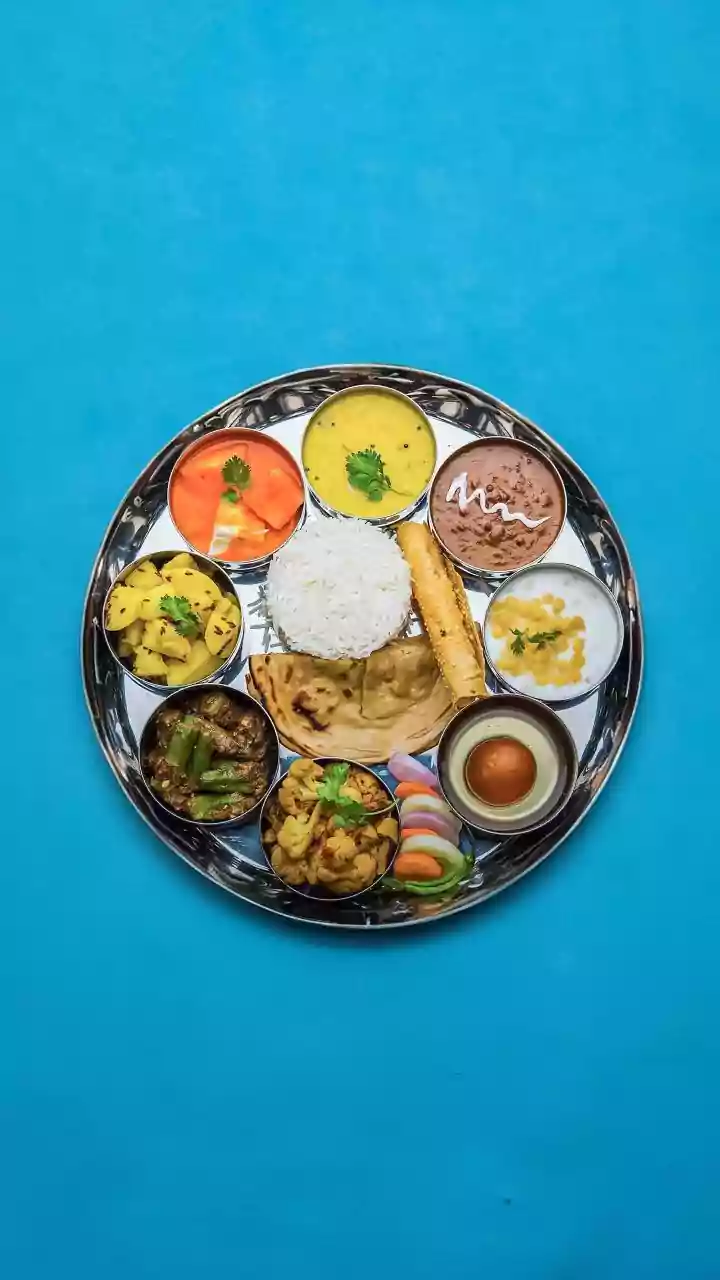
So, what exactly can you order? The menus are a journey into the heart of India's diverse indigenous cultures. From Naga kitchens, you might find smoky pork with bamboo shoot, a rich and flavourful curry that is a cornerstone of the cuisine. Another popular dish is Galho, a hearty rice porridge similar to khichdi, often prepared with smoked meat and local greens. From Khasi cuisine, you might try Jadoh, a rice and meat dish flavoured with indigenous herbs. These dishes are characterized by unique cooking techniques like smoking and fermenting, and ingredients rarely found in mainstream Indian cooking, such as axone (fermented soybean), anishi (fermented taro leaves), and the fiery Raja Mircha chilli. The focus is often on zero-oil cooking, with meats being boiled, steamed, or smoked.
More Than Just a Meal
The rise of tribal food delivery is more than just a food trend; it's a powerful force for cultural exchange and economic empowerment. For urban foodies, it offers an exciting opportunity to explore the incredible diversity of Indian food beyond the usual suspects. For the entrepreneurs, it's a chance to build sustainable businesses while preserving and promoting their unique cultural identity. These kitchens often create a direct link back to their home villages, sourcing specific ingredients and ensuring authenticity. In doing so, they are not only satisfying urban cravings but are also creating a sense of community and pride, turning what was once a source of nostalgia or even shame into a successful and celebrated enterprise.