



Breaking Free from the Festive Food Rut
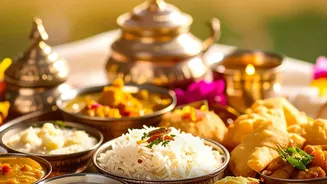
Indian festive meals are a feast for the senses, rich with fragrant curries, elaborate biryanis, and an assortment of deep-fried delicacies. While these dishes are beloved staples, they often create a menu that is heavy, time-consuming to prepare, and leaves
the host tethered to the kitchen. The result can be a wonderful but somewhat uniform palette of warm, spicy, and rich flavours. This is where the strategic addition of cold salads and relishes comes in. They are not meant to replace the classics, but to complement them, offering a clever way to introduce variety and ease into your hosting duties. By diversifying the textures and temperatures on the plate, you create a more dynamic and modern dining experience for your guests.
A Welcome Burst of Freshness
Imagine a bite of a cool, crisp salad after a mouthful of rich, spicy curry. That contrast is precisely what makes this addition so powerful. Cold salads, with their high water content and raw ingredients, act as a refreshing counterpoint, cleansing the palate and preventing flavour fatigue. This balance makes the entire meal more enjoyable. Dishes like a simple kachumber—a mix of chopped onion, tomato, and cucumber with a squeeze of lemon and a sprinkle of chaat masala—provide a zesty crunch that cuts through the richness of heavier foods. They add a layer of brightness and acidity that lightens the overall feel of the feast, making guests feel refreshed rather than weighed down.
The Undeniable Appeal of Simplicity
The greatest advantage of these dishes is their simplicity. Most require no cooking at all, liberating you from the stove. The work is front-loaded with chopping, which can often be done hours in advance. A Maharashtrian koshimbir, for instance, involves mixing chopped cucumber, tomato, onion, and peanuts, with the yogurt dressing added just before serving to maintain freshness. This 'mix-and-serve' approach drastically reduces last-minute kitchen chaos. Relishes and no-cook chutneys, like a tangy one made from raw shallots, tamarind, and spices, can be prepared in minutes using a grinder and stored for a couple of days. This make-ahead potential is a game-changer for festive planning, allowing you to focus on the main courses and, more importantly, on enjoying the company of your loved ones.
Ideas for Your Festive Table
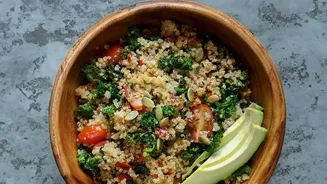
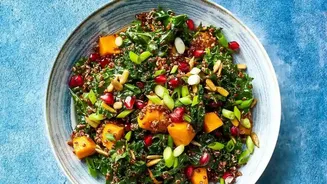
Getting started is easy, and you likely have most ingredients already. For a protein-packed and colourful option, try a sprouted moong salad with diced cucumber, pomegranate seeds, and a tangy lemon-cumin dressing. A South Indian-style Kosambari, made with soaked moong dal, grated carrots, coconut, and a simple tempering of mustard seeds and curry leaves, offers a delightful crunch. You can also put a festive spin on a simple chickpea salad by adding chopped bell peppers, corn, and a mix of green chutney and tamarind chutney for a chaat-like flavour profile. For a relish, a quick blend of grated raw mango or gooseberry with green chillies and salt provides an instant spicy-sour kick that pairs beautifully with almost any Indian meal.
Modern Twists on Traditional Flavours
Incorporating cold dishes doesn't mean abandoning traditional tastes. It's about using familiar Indian spices in a new context. A simple yogurt dip, or raita, can be elevated with pineapple for sweetness or grated beetroot for an earthy flavour and vibrant colour. Standard vinaigrettes can be Indianised by adding roasted cumin powder, black salt (kala namak), or chaat masala. Fresh herbs like coriander and mint, staples in cooked dishes, lend an intense, fresh aroma to cold preparations. By leveraging the core components of the Indian spice box in uncooked or lightly prepared forms, you can create accompaniments that are both innovative and deeply rooted in the flavours everyone knows and loves.