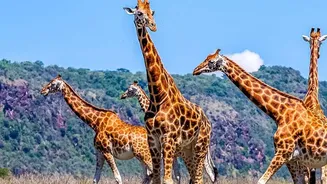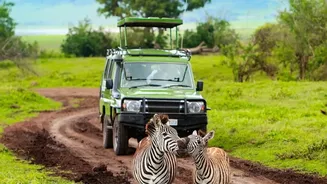

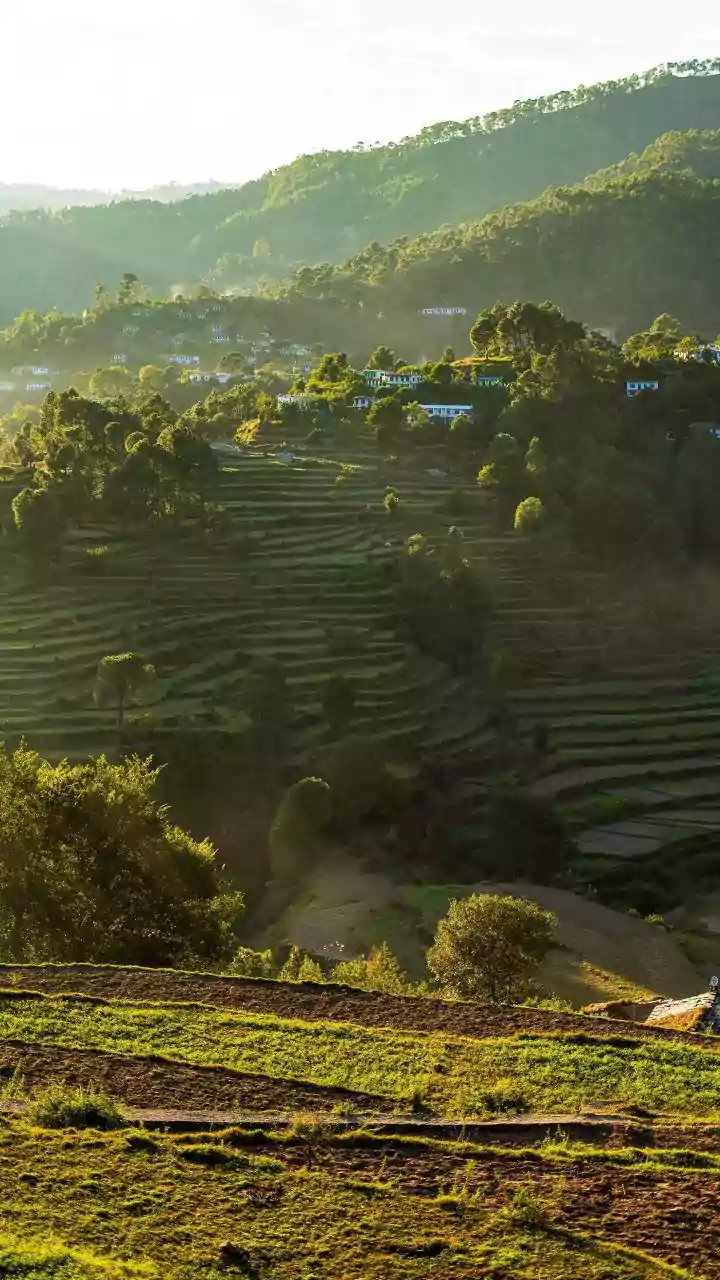



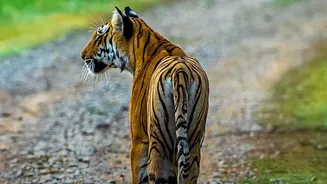

The thrill is universal: the rumbling jeep, the hushed anticipation, and the flash of stripes in the forest. But this experience is no longer a distant dream for many Indians, who are now leading a quiet revolution in our national parks.
A Shift in the Indian Holiday
Forget the standard
hill station trip or beach getaway. A growing number of Indian travellers, particularly from younger generations, are seeking more meaningful and experiential holidays. This has sparked a massive surge in domestic tourism to wildlife sanctuaries and national parks. According to some market analyses, India's ecotourism sector is projected to grow significantly, with one report expecting it to reach USD 51.2 billion by 2034, growing at a rate of 9.70% annually. This boom is not just about a vacation; it's about connecting with nature, understanding biodiversity, and seeking adventures closer to home. The focus is shifting from simply seeing a tiger to appreciating the entire ecosystem.
What Makes a Safari 'Eco'?
The term 'eco-tourism' is more than just a buzzword; it represents a fundamental commitment to sustainability. In parks like Jim Corbett and Ranthambore, this philosophy is taking root. True eco-tourism involves practices that actively benefit the environment and local populations. This includes staying in eco-friendly lodges built with local materials and powered by renewable energy like solar panels. It means adhering to strict park rules: regulated vehicle numbers, fixed safari routes to minimize disturbance, and a zero-tolerance policy for littering. The goal is to leave a minimal footprint, ensuring the wilderness remains pristine for generations to come.
Conservation's New Best Friend
Perhaps the most significant impact of this tourism boom is its direct contribution to conservation. Park entry fees, safari permits, and other tourism-related revenues provide a vital lifeline for forest departments. This money funds everything from anti-poaching patrols and habitat restoration to the salaries of forest guards who protect our wildlife. When tourism thrives, local communities see a direct economic benefit. Former poachers have been retrained as expert guides, and villagers find employment in lodges and as safari drivers, or by selling local handicrafts. This creates a powerful incentive for conservation; when a tiger is worth more alive than dead, the entire community becomes its protector.
More Than Just Spotting Tigers
While the majestic tiger remains the star attraction, a mature appreciation for the entire forest ecosystem is growing among Indian tourists. Visitors are now engaging in a wider range of low-impact activities. Birdwatching, guided nature walks, and wildlife photography are becoming increasingly popular. Tour operators and naturalists play a crucial role in this, educating visitors about the intricate web of life in the park, from the smallest insect to the tallest tree. This educational component transforms a simple holiday into a deeper, more meaningful connection with nature, fostering a generation of citizens who value and advocate for conservation.
The Challenges of Popularity
However, this surge in popularity is not without its risks. The threat of 'over-tourism' is real. Too many vehicles can stress wildlife, and there have been reports of irresponsible tourist behaviour, such as crowding animals or creating noise. Recent scientific studies have even found that tigers in areas with high tourism traffic show elevated stress hormone levels, which can affect their health and breeding habits. The key is management. Authorities must strictly enforce regulations, limit vehicle numbers, and ensure that the principles of eco-tourism are not diluted for commercial gain. The responsibility also lies with travellers to be mindful and respectful visitors in these delicate habitats.