







The Sticky Problem We All Know
We’ve all been there. You bring home a beautiful batch of Alphonso, Dasheri, or Langra mangoes, eager to dive in. But as you begin to handle them, you encounter the inevitable enemy: a sticky, stubborn, milky-white residue that oozes from the stem. Known
as ‘chap’ or ‘sapna’ in Hindi, this substance is a natural latex sap. While harmless, it’s a nuisance. It gets on your hands, your clothes, and the kitchen counter, refusing to wash off easily. This sap contains compounds that can, for some people, cause minor skin irritation or a slight blistering reaction around the mouth. More than anything, it interferes with the pure, unadulterated pleasure of enjoying the king of fruits.
The Simple Saltwater Solution
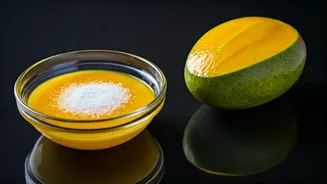
For generations, Indian households have used a simple, brilliant trick to combat this sticky situation: a saltwater bath. It’s a method passed down from grandparents, and it’s as effective today as it ever was. The process couldn’t be easier and requires no special equipment—just a bucket, water, and some regular table salt.
Here’s how you do it:
1. **Prepare the Bath:** Fill a large bowl or a clean bucket with room-temperature water. You’ll want enough water to fully submerge all your mangoes.
2. **Add the Salt:** For every two to three litres of water, add about one tablespoon of salt. Stir until it’s completely dissolved. You’re not trying to create a heavy brine, just a mild saline solution.
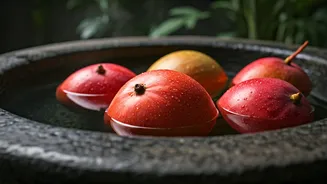
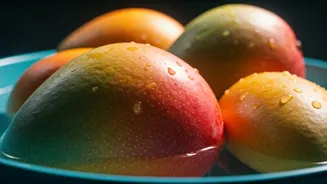
3. **Soak the Mangoes:** Gently place your mangoes into the saltwater bath. Ensure they are fully submerged. Let them soak for at least 30 minutes. Some families swear by a longer soak, anywhere from one to two hours, but half an hour is usually sufficient to do the trick.
4. **Wash and Dry:** After soaking, take the mangoes out and give them a good rinse under clean, running water. You’ll notice the sticky residue washes away with incredible ease. Pat them dry with a clean cloth, and they are ready to be chilled, cut, and devoured.
Why Does This Simple Trick Work?
While this might feel like kitchen magic, there’s some simple science and logic behind it. The mango sap is an oleoresin, a mixture of oil and resin. The saline solution helps to alter the osmotic pressure on the mango’s skin, which can help draw out the sap more effectively. Furthermore, the salt acts as a mild abrasive and cleaning agent, helping to break down the sticky compounds and making them less adhesive. When you rinse the mangoes post-soak, the loosened sap washes away cleanly, leaving the skin smooth and non-sticky. It’s a perfect example of how a basic principle of chemistry can be applied to solve an everyday culinary problem.
More Than Just Cleanliness: The Traditional Angle
The practice of soaking mangoes goes deeper than just removing sap. According to traditional Indian wisdom and Ayurvedic principles, mangoes are considered a ‘heating’ food. It is believed that consuming too many can increase body heat (‘garmi’), leading to issues like acne or digestive discomfort. This heating property is often attributed to the presence of phytic acid, an anti-nutrient found in many plant-based foods.
Phytic acid can interfere with the absorption of minerals like iron, zinc, and calcium, and the body expends energy to process it, which is thought to generate heat. Soaking mangoes in water, especially saltwater, is believed to help leach out a significant portion of this phytic acid. By reducing the anti-nutrient load, the fruit becomes easier to digest and its ‘cooling’ properties are enhanced. While the scientific community is still studying the precise impact of short-term soaking on phytic acid levels in fruit, this age-old practice is rooted in a deep, intuitive understanding of food and its effects on the body.
Tips for the Perfect Mango Experience
To make your mango season even better, combine the saltwater soak with a few other best practices. Always choose mangoes that are firm to the touch with a sweet aroma near the stem. Before you soak them, it’s a good idea to trim off the small nub of the stem, as this can encourage more of the sap to be drawn out into the water. After their bath and rinse, chilling the mangoes in the refrigerator for a couple of hours before eating makes them exceptionally refreshing, especially on a hot summer day. This simple ritual not only gives you a cleaner fruit but also elevates the entire experience, turning it from a messy affair into a moment of pure, blissful indulgence.