





In the fast-paced, digital-first world of India’s metro cities, one might expect the glitter of gold to fade. Yet, traditional gold jewellery continues to be a cherished possession, proving that its allure is timeless, deeply woven into the modern urban
fabric.
An Unbreakable Cultural Bond
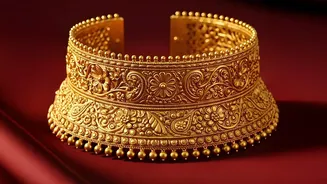
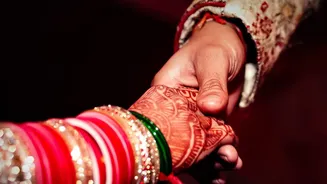
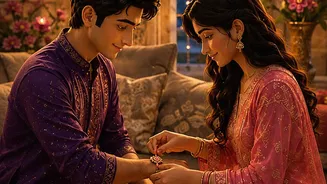
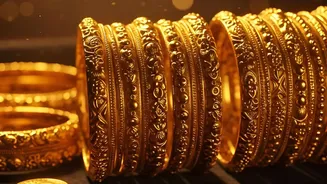
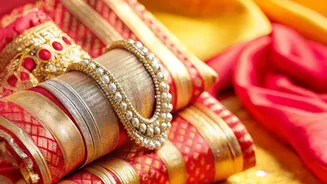
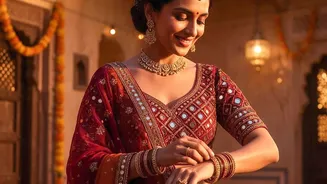
At its core, the demand for gold in India is not merely about accessorising; it is a profound cultural institution. Gold is considered auspicious, a symbol of prosperity, purity, and divine blessings from deities like Goddess Lakshmi. This belief transcends generations and is deeply integrated into life's most significant milestones. Weddings, which account for roughly half of the country's annual gold demand, are incomplete without the bride being adorned in gold, symbolising blessings and wealth for her new life. Festivals such as Dhanteras, Diwali, and Akshaya Tritiya are marked by the purchase of gold, a tradition believed to usher in good fortune. Even in bustling metro cities, where lifestyles are increasingly contemporary, these traditions remain a powerful driver of demand, connecting modern individuals to their heritage.
The Ultimate Financial Safety Net
Beyond its cultural weight, gold is a pillar of financial security for Indian households. In times of economic volatility, it is viewed as the safest and most reliable investment. A 2026 survey revealed that even among Gen Z and Millennials (ages 18-39), 62% would choose gold for investment over mutual funds, stocks, or other financial products. This preference is rooted in gold's tangible nature and its historical resilience against inflation. It serves as both an adornment and a readily available asset that can be liquidated or used as collateral for loans, providing a crucial safety net. This dual function as a beautiful object and a crisis commodity makes it uniquely appealing to urban Indians navigating a complex economic landscape.
Modern Makeovers for a New Generation
Jewellery brands have astutely recognised that to keep gold relevant for the modern urban consumer, design must evolve. While an appetite for heavy, traditional pieces for weddings persists, there is a growing trend towards lightweight, minimalist, and contemporary designs suitable for daily wear and office settings. In response to high prices, consumers are increasingly opting for lower-carat or studded pieces that remain stylish and affordable. Many young professionals are now making their first gold purchase with their first salary, viewing it as a personal achievement and an investment decision rather than waiting for a family occasion. This shift from purely tradition-led buying to a more individual, logic-driven approach has broadened gold's appeal.
From Heirlooms to Digital Assets
The way urban Indians invest in gold is also diversifying. While passing down heirloom jewellery remains a cherished practice, younger investors are embracing modern, digital-first options. Digital gold, Gold ETFs (Exchange Traded Funds), and Sovereign Gold Bonds (SGBs) have gained significant traction among millennials and Gen Z. These instruments offer the benefit of investing in pure gold without the concerns of physical storage or making charges. Platforms offering digital gold have lowered the barrier to entry, allowing for small, regular investments. In September 2026, for example, gold ETF inflows reached a seven-month high, and digital gold purchases saw an 83% year-on-year increase, signalling a strong appetite for these modern investment vehicles. This hybrid approach—valuing both the physical heirloom and the digital asset—ensures gold’s place in modern investment portfolios.