




As the joy of Diwali fades, a familiar haze often settles over many Indian cities. This post-festival smog brings a sharp decline in air quality, making official advisories a critical tool for safeguarding public and personal respiratory health.
Decoding the Air Quality Index
The first
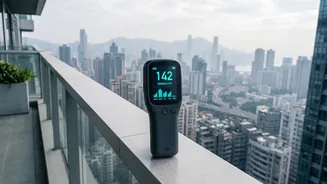
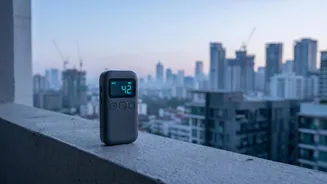
step in protecting yourself is understanding the warnings. Government agencies use the Air Quality Index (AQI) to communicate how polluted the air is. This simple scale, launched in India in 2014, converts complex data on eight major pollutants, including harmful PM2.5 particles, into a single number from 0 to 500. This number is paired with a colour code and a clear description, ranging from 'Good' (green) to 'Severe' (maroon). An AQI of 101 to 200 is 'Moderate' and can cause breathing discomfort to people with lung disease, while a reading over 301 ('Severe') can affect even healthy people and seriously impact those with existing conditions. Real-time AQI data is available through official portals like the CPCB website and the SAMEER app.
Why Air Quality Worsens After Diwali
The post-Diwali air quality decline is a perfect storm of factors. The primary cause is the widespread bursting of firecrackers, which release a dense cloud of fine particulate matter (PM2.5 and PM10), sulphur dioxide, and heavy metals. This burst of pollution occurs at a time when meteorological conditions are already unfavourable. In late October and November, cooler air and lower wind speeds create a phenomenon called temperature inversion, which traps pollutants close to the ground instead of allowing them to disperse. This effect is compounded by other existing pollution sources, such as vehicular emissions, industrial output, and smoke from crop stubble burning in neighbouring states, leading to the thick, persistent smog that can linger for days.
Identifying the Most Vulnerable Groups
While severe air pollution is harmful to everyone, certain groups are at a much higher risk of serious health consequences. This includes children, whose lungs are still developing, and older adults, who may have reduced lung capacity and weaker immune systems. Pregnant women are also highly vulnerable, as exposure to pollutants can affect foetal development. Critically, individuals with pre-existing respiratory conditions like asthma and COPD, or those with heart disease, can experience severe flare-ups, including intense coughing, wheezing, and shortness of breath, often requiring medical intervention. These groups must pay special attention to air quality advisories and take extra precautions.
Practical Steps to Safeguard Your Health Indoors
Your home should be a safe haven, but indoor air can also be polluted. When outdoor AQI levels are high, keep windows and doors closed, especially during early morning and late evening when pollution typically peaks. Using an air purifier with a HEPA filter is highly effective at capturing fine particles that seep indoors. It's also wise to avoid activities that create indoor smoke, such as burning too many incense sticks or candles. Wiping surfaces with a damp cloth can help manage settled dust particles. Additionally, some houseplants like snake plants and peace lilies can naturally help improve indoor air.
How to Protect Yourself When Outdoors
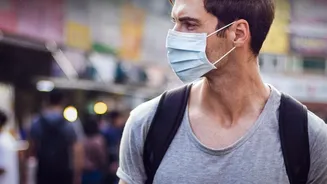
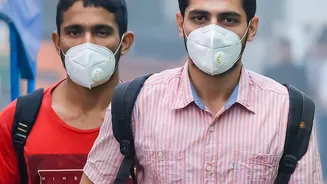
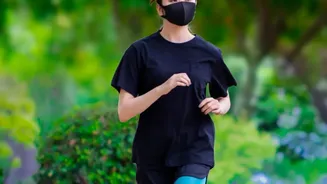
If you must go outside during periods of high pollution, taking protective measures is essential. The most effective barrier against particulate matter is a well-fitted N95 or N99 mask, which can filter over 95% of airborne pollutants. Simple cloth or surgical masks are less effective against the fine particles found in smog. Before heading out, always check the latest AQI for your area and try to schedule any necessary outdoor activities for the afternoon, when air quality might be slightly better. Health experts also advise against strenuous exercise like running or jogging outdoors when the air quality is poor, as it increases the volume of polluted air you inhale.