





The Seeds of a Cotton Kingdom
Long before the first industrial looms arrived, Coimbatore's destiny was rooted in its soil. The region's rich black earth, ideal for cotton cultivation, made it a textile hub even in ancient times. Historical accounts suggest that fabrics from this area,
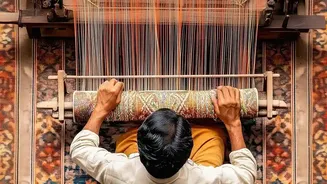
part of the ancient Kongu Nadu region, were sought after as far away as the Roman Empire. This agricultural advantage, combined with a climate favourable for spinning cotton, created the perfect foundation for a textile powerhouse. The industry began with handlooms and small-scale cotton processing, but the seeds of an industrial revolution were already planted in the fertile ground.
The Dawn of the Mill Era
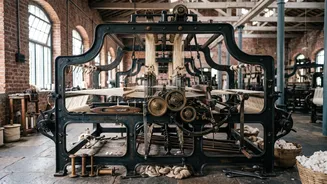
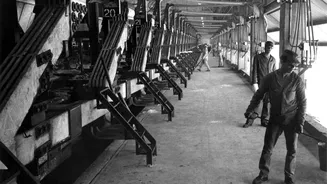
The industrialisation of Coimbatore’s textile trade began in the late 19th century under British influence. The pivotal moment came in 1888 with the establishment of the Coimbatore Spinning and Weaving Mills by Sir Robert Stanes, a British entrepreneur who had settled in the city. Popularly known as Stanes Mill, it was the city's first modern, mechanised textile mill and it marked a turning point. The arrival of the railway and the commissioning of the Pykara hydro-electric project in 1932 provided the infrastructure and power needed for rapid expansion, leading to a boom in the 1930s as local entrepreneurs imported machinery and established their own mills.
Earning the 'Manchester' Moniker
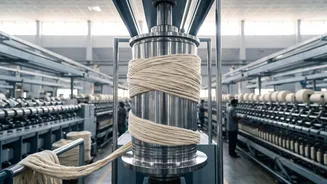
The nickname 'Manchester of South India' is not just a casual title; it reflects the city's role as a powerhouse of textile production, much like Manchester was for Britain's Industrial Revolution. By the mid-20th century, Coimbatore was dominated by textile mills, with over 25,000 small, medium, and large units driving its economy. The city became renowned for producing high-quality cotton yarn, supplying not just the rest of India but also international markets. This industrial concentration created a self-sustaining ecosystem of not just mills, but also textile machinery manufacturers and research institutions like the South Indian Textiles Research Association (SITRA).
The Social and Cultural Fabric
The textile boom did more than just grow the economy; it shaped the very character of Coimbatore. The industry fostered a spirit of enterprise, hard work, and innovation that defines the city to this day. Generations of families found employment in the mills, creating tight-knit communities and a workforce known for its skill and discipline. The Southern India Mills' Association (SIMA), founded in 1933, played a key role in advocating for the industry and for worker welfare, pioneering measures like an eight-hour workday long before they became national law. Many of the city's prominent educational institutions and philanthropic activities were founded by the very entrepreneurs who built their fortunes on cotton.
Tracing the Threads Today
For a visitor, the legacy of the textile industry is visible everywhere, though sometimes subtly. While many of the original giant mills have given way to new developments, their names often live on as bus stops and locality names, a phantom reminder of the industrial past. To see the history up close, a visit to the Kasthuri Sreenivasan Art Gallery and Textile Museum is a must. It showcases the evolution of the industry, from early spinning wheels to modern machinery, and displays a stunning collection of antique textiles. The bustling textile markets in areas like Oppanakara Street, which historically housed the tax collector for the trade, still offer a vibrant, tangible connection to the city's commercial core.
Weaving a Modern Future
Coimbatore's textile story is far from over. The industry has evolved significantly from its cotton-spinning origins. Today, the region is a major player in knitwear, technical textiles, and home furnishings, exporting to major global brands. Companies are now innovating with sustainable and alternative fibres like organic cotton, recycled materials, and even banana fibre. While facing global competition, the industry continues to be a cornerstone of the region's economy, adapting with the same entrepreneurial spirit that first sparked its growth over a century ago.