



The End of the ‘Guest-Only’ Era
Remember the unwritten rule? The main sofa was off-limits, covered in protective plastic or a special sheet, only to be unveiled for important company. The living room, or drawing room, was designed to impress, not to be used. It was a showcase of a family's
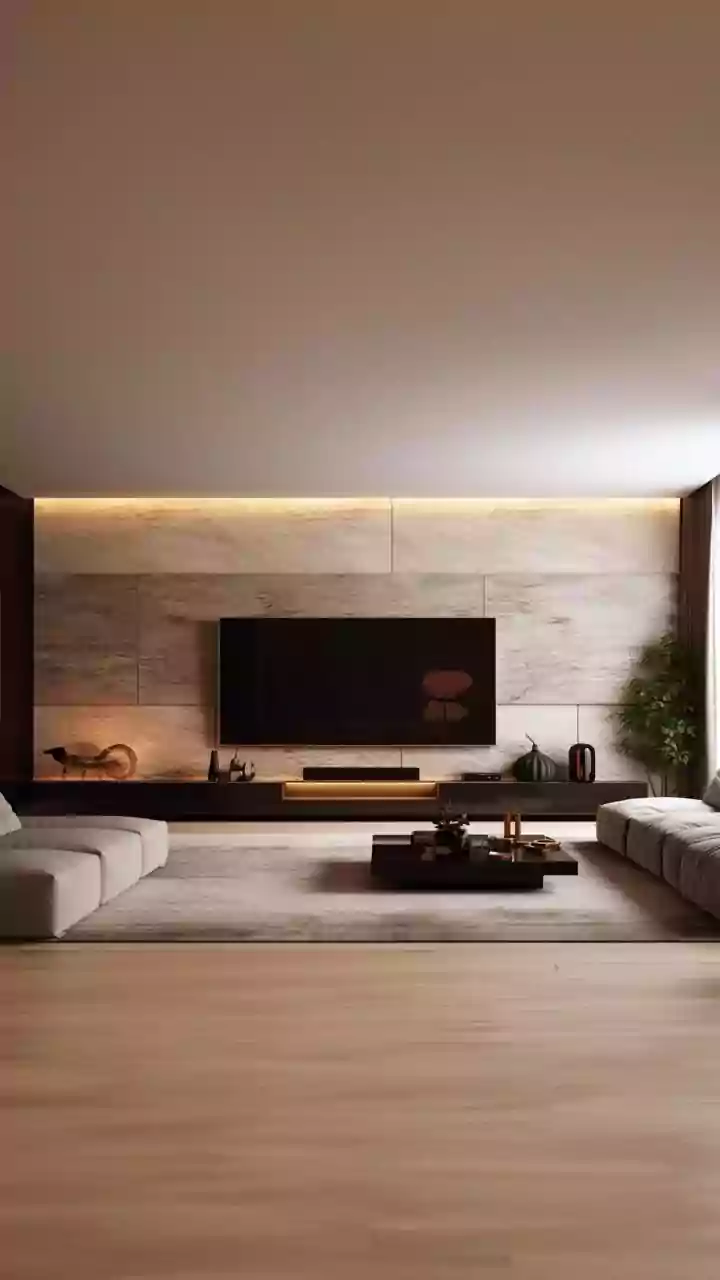
finest things, a space of formality in the heart of the home. That idea is rapidly fading. Today, the living room is becoming the home's primary hub — a fluid, dynamic space for everyday life. It’s where children do their homework, parents take work calls, and the whole family gathers to watch a movie. This shift from a display area to an experience zone marks one of the most significant changes in modern Indian homes.
What’s Driving This Domestic Revolution?
Several factors are fuelling this change. Rapid urbanization has led to more compact homes, especially in metros like Mumbai, Bengaluru, and Delhi, where every square foot must be functional. The widespread adoption of hybrid and remote work has turned homes into offices, forcing a re-evaluation of space. That corner of the living room is now a potential workspace, demanding a comfortable chair and a functional desk. Furthermore, the rise of nuclear families and changing entertainment habits, driven by streaming platforms, mean that family time is now centred around the living room TV, not just on special occasions. The home is no longer just a place to live; it's a place for work, leisure, and everything in between.
The New Furniture Checklist: Function Over Formality
As the living room’s job description has expanded, so has the demand for furniture that can keep up. The new mantra is versatility and durability. Consumers are now actively seeking out multifunctional pieces that can adapt to various needs. Think coffee tables with lift-tops that double as workstations, ottomans with hidden storage, and modular sofas that can be reconfigured for a movie night or a family gathering. There's a clear move away from purely ornamental furniture towards pieces that are built for daily wear and tear. Durability, once a secondary concern to appearance, is now paramount. This has led to a renewed appreciation for solid woods like teak and sheesham, known for their longevity, over high-gloss finishes that require delicate handling.
Comfort, Aesthetics, and How Brands are Responding
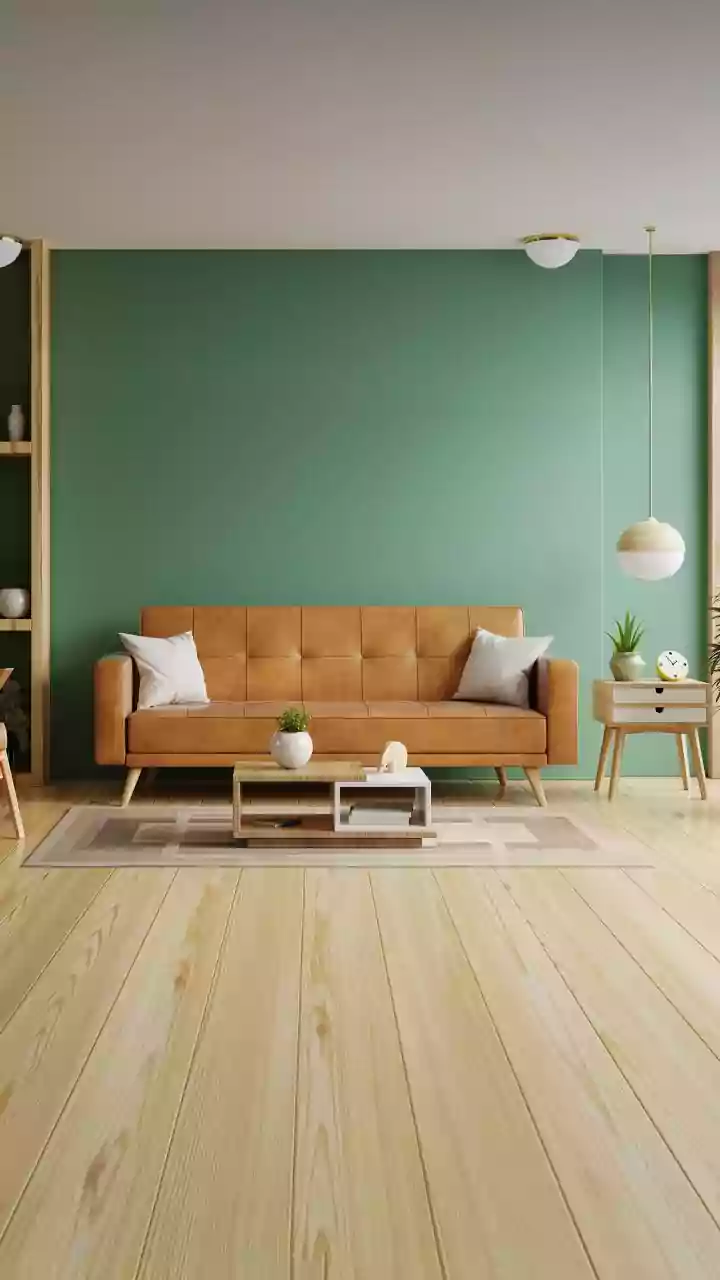
This lived-in approach doesn't mean a compromise on style. In fact, the aesthetic is shifting towards something warmer and more personal. Homeowners are trading sharp, formal lines for softer, curved silhouettes that feel more inviting and are easier to navigate in smaller spaces. The colour palette is also warming up, with earthy tones like terracotta, beige, and olive green replacing the cooler greys of previous years. Furniture brands have been quick to notice. The market is seeing a surge in collections that champion modularity, ergonomic design, and sustainable materials. From online retailers to legacy brands, the focus is on providing solutions for a home that is constantly in use, reflecting a deeper understanding that modern luxury is less about visual excess and more about everyday comfort and practicality.