


India’s Original Superfood
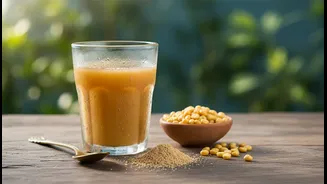
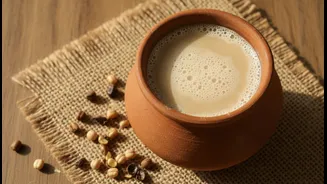
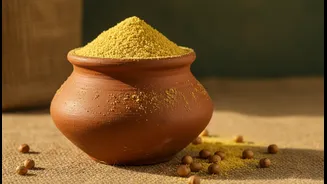
Long before protein shakes and imported superfoods became trendy, kitchens in Bihar, Jharkhand, and Uttar Pradesh held the secret to a powerhouse ingredient: sattu. So, what is it? Sattu is a flour made from roasted pulses and cereals, most commonly Bengal
gram (kala chana). The crucial step is the dry-roasting process, which not only gives sattu its unique nutty flavour but also locks in its impressive nutritional value. Often called the 'poor man's protein,' this humble flour is now rightly gaining recognition as a superfood for its versatility and incredible health benefits.
A Natural Air Conditioner
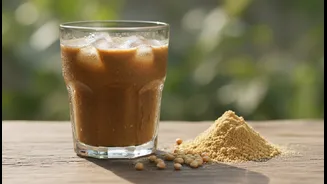
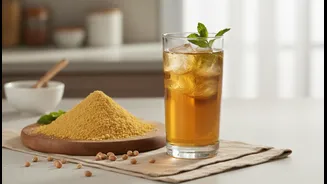
There's a reason sattu sharbat is the go-to drink during scorching Indian summers. It is a natural coolant that helps to regulate and bring down your internal body temperature, providing significant relief from the oppressive heat. In the sweltering humidity of July, when dehydration is a constant concern, a glass of sattu works wonders. It's rich in essential minerals like potassium and magnesium, which function as electrolytes, helping to replenish what your body loses through sweat and keeping you effectively hydrated. Think of it as nature’s own oral rehydration solution, but far more delicious.
A Powerhouse of Nutrition
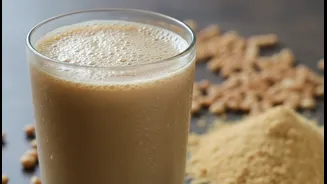
The nutritional profile of sattu is nothing short of remarkable. It's an excellent source of plant-based protein, with some varieties offering up to 20 grams per 100-gram serving, making it a fantastic alternative to whey protein for vegetarians and vegans. It is also packed with dietary fibre, which aids in digestion, promotes a feeling of fullness to prevent overeating, and keeps your gut healthy. Furthermore, sattu has a low glycemic index, meaning it releases energy slowly without causing sharp spikes in blood sugar, making it a safe and beneficial choice for those managing diabetes. Add to that a healthy dose of iron, calcium, and magnesium, and you have a complete, energy-boosting drink in one simple glass.
An Ancient Tradition in a Glass
Drinking sattu isn't just a modern health trend; it's partaking in a rich history. This simple, non-perishable food was the original energy bar for ancient travellers, monks, and warriors. Its lightweight and nutrient-dense nature made it the perfect survival food for long journeys, from Mauryan soldiers in battle to traders on the Silk Road. Buddhist monks relied on sattu for sustenance during their long pilgrimages, carrying this simple flour to fuel their mission across Asia. Every glass of sattu sharbat connects you to this incredible legacy of resilience and simple, profound nourishment.
Your Five-Minute Recipe for Cool
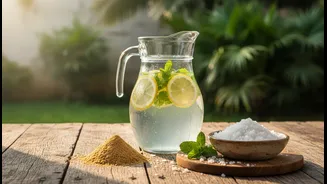
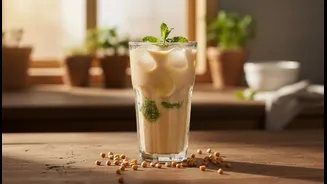
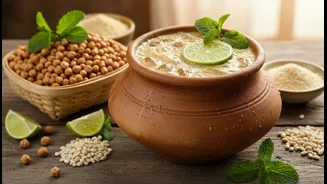
Ready to try it? Making sattu sharbat is incredibly simple and takes just minutes. It can be prepared in two popular ways: savoury (namkeen) or sweet (meetha). For a savoury glass, take 3-4 tablespoons of sattu flour in a glass. Add a small amount of chilled water and stir to form a smooth, lump-free paste. Then, fill the glass with more chilled water. Stir in black salt (kala namak), a pinch of roasted cumin powder, and the juice of half a lemon. For extra flavour and crunch, add finely chopped onion, fresh mint leaves, and green chillies. For the sweet version, follow the same process of making a paste first. Then, add chilled water and sweeten to taste with jaggery powder or sugar. A pinch of black salt and a squeeze of lemon can balance the sweetness beautifully. Stir well and serve immediately for a refreshing treat.