

The Foundation: A Perfect, Pliable Dough
The secret to a great stuffed paratha begins with the dough. You are aiming for a texture that is soft and pliable, but not sticky. To achieve this, start with whole wheat flour (atta), a pinch of salt, and a tablespoon of oil or ghee. Adding a little
fat makes the parathas softer. Use lukewarm water and add it gradually, kneading gently until you form a smooth dough. Knead for about 5 to 7 minutes. Once done, coat the dough with a little more oil, cover it with a damp cloth, and let it rest for at least 20 to 30 minutes. This resting period is crucial; it allows the gluten to relax, making the dough more elastic and easier to roll without tearing.
Crafting the Flavourful Filling
This is where the magic happens. The goal is a flavour-packed filling that is relatively dry to prevent the paratha from becoming soggy and breaking. Finely crumbled or grated paneer serves as the protein-rich base. For the vegetables, you have a world of options. Finely grated carrots, finely chopped capsicum, boiled and mashed potatoes, or even grated cauliflower and broccoli work wonderfully. It's vital that all vegetables are chopped or grated very finely. If using watery vegetables like onion or radish, you may need to squeeze out the excess moisture. Combine the paneer and vegetables in a bowl. Season generously with spices like garam masala, cumin powder, coriander powder, amchur (dry mango powder) for a tangy kick, and finely chopped green chillies for heat. Freshly chopped coriander leaves add a burst of freshness. Mix everything well and have a taste to adjust the seasoning before you start stuffing.
The Art of Stuffing and Rolling
The most common challenge with stuffed parathas is the filling oozing out. To avoid this, take a ball of dough slightly larger than a lemon. Flatten it with your fingers into a small disc, about 4-5 inches in diameter. Place a generous spoonful of the paneer-vegetable mixture in the centre. Don’t overfill. Gently bring the edges of the dough together, pleating as you go, and pinch them to seal the filling inside completely. Flatten the stuffed ball gently with your palm, then use a rolling pin to roll it out slowly and evenly. Apply gentle, even pressure, and dust with a little dry flour as needed to prevent sticking. Rolling from the edges rather than the centre can also help keep the filling contained.
Cooking to Golden-Brown Perfection
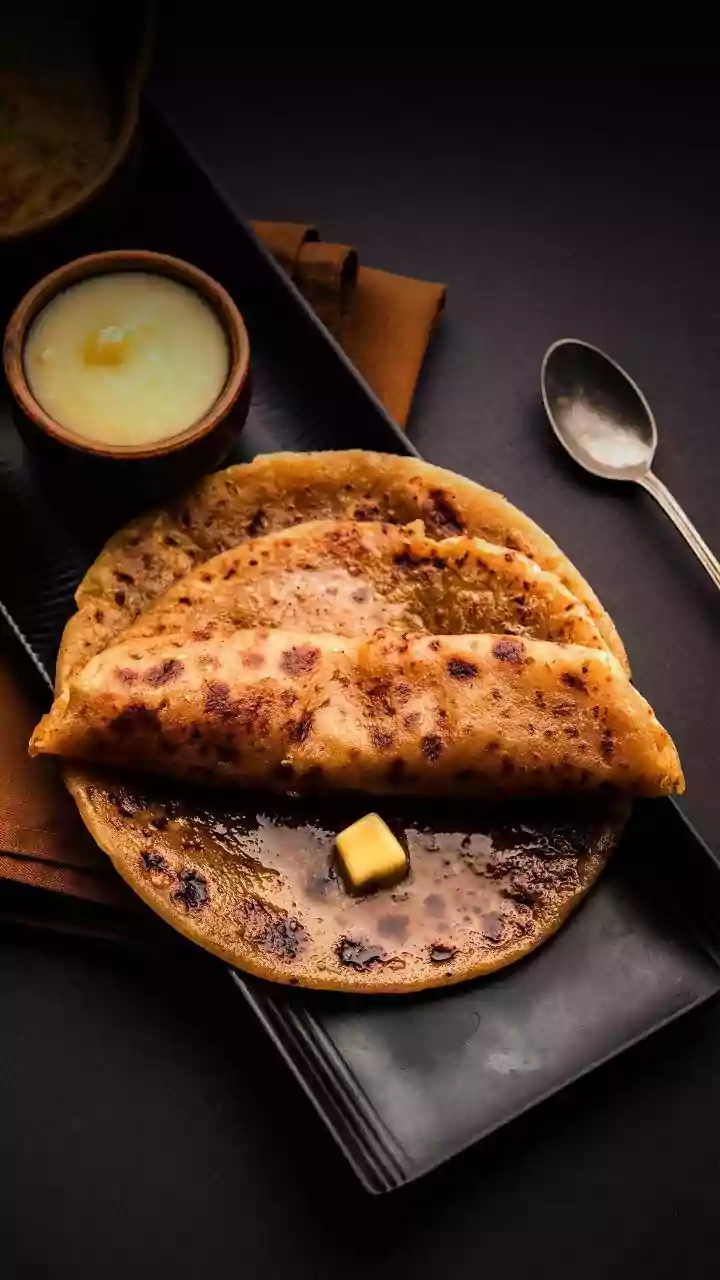
Heat a tawa or a flat-bottomed frying pan over a medium-high flame. Cooking parathas on a flame that's too low can make them hard. Place the rolled paratha on the hot tawa and let it cook for about a minute, or until you see small bubbles and light brown spots appear. Flip it over and apply a little ghee or oil to the half-cooked side. Flip again and apply ghee or oil to the other side. Use a spatula to gently press down on the paratha, especially around the edges, to ensure it cooks evenly. Cook until both sides are golden brown and crisp. Wiping the pan with a dry cloth between parathas can prevent excess flour from burning.