








The Modern Meal Dash
Think about your last few meals. Were they enjoyed at a leisurely pace, or were they consumed quickly between meetings, while scrolling on your phone, or driving? For many, hurried eating has become the norm. Our hectic lives often relegate meals to a quick refuelling
stop rather than a moment to pause and savour. This cultural shift towards speed has unintended consequences, as a growing body of research shows a strong link between eating fast and a higher risk of being overweight. In fact, some studies suggest fast eaters are up to twice as likely to be obese compared to those who eat slowly. But why does the speed at which you eat matter so much?
The 20-Minute Communication Delay
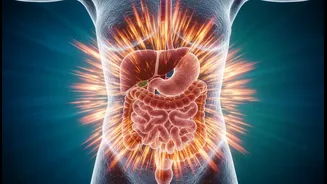
The core of the issue lies in a communication delay between your stomach and your brain. It takes approximately 20 minutes for your brain to receive and process the signals that you are full. This process isn't instantaneous. When you eat, your stomach stretches, sending nerve signals to the brain. More importantly, as food enters your intestines, a cascade of hormones is released. Hormones like peptide YY (PYY) and leptin signal satiety, telling your brain you've had enough. Conversely, a hormone called ghrelin, often dubbed the 'hunger hormone', stimulates appetite. When you eat slowly, you give these hormonal signals time to travel through the bloodstream and register in your brain, allowing you to recognise fullness and stop eating. Eating fast bypasses this entire system.
Faster Eating, More Calories
When you outpace your body's satiety signals, you almost inevitably consume more food than you need before your brain gets the 'stop' message. This can lead to a significant increase in calorie intake over time. Studies have shown that fast eaters not only consume more calories per meal but also tend to have a higher Body Mass Index (BMI). One study in children found that 60% of those who ate rapidly also overate. The link is clear: rushing through meals makes it easier to ignore your body's natural portion control, contributing to weight gain.
Beyond the Weighing Scales
The consequences of rapid eating extend beyond just body weight. Eating too quickly is associated with a range of health issues. It can lead to poor digestion, as you swallow more air, causing bloating and discomfort. Insufficient chewing, a hallmark of fast eating, means digestion doesn't begin properly in the mouth, forcing your stomach to work harder and potentially leading to indigestion and heartburn. Over the long term, this habit is also linked to an increased risk of developing metabolic syndrome—a cluster of conditions including high blood pressure, high blood sugar, and abnormal cholesterol levels—and type 2 diabetes.
How to Adopt a Slower Pace
Slowing down might feel unnatural at first, but it's a skill you can learn with practice. Start by making your mealtime a dedicated event. Turn off the TV, put away your phone, and sit at a table. Try putting your fork down between bites to force a pause. Focus on chewing each mouthful thoroughly; this not only slows you down but also aids digestion. Sipping water during your meal can also help you pace yourself. One effective technique is to set a timer for 20 minutes and aim to make your meal last that long. By consciously practising these small changes, you can retrain your eating habits.
The Rise of Mindful Eating
Slowing down is a key component of a broader practice known as mindful eating. This approach encourages you to pay full attention to the experience of eating, engaging all your senses. Notice the colours, textures, and smells of your food. Ask yourself if you are truly hungry or eating out of boredom or stress. By being present, you not only enjoy your food more but also become more attuned to your body’s hunger and fullness cues. Mindful eating isn't about restriction; it's about awareness and building a healthier, more satisfying relationship with food.