






The Reality of Monsoon Travel
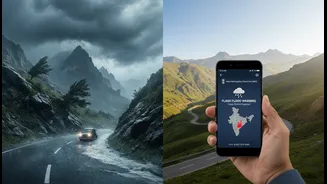
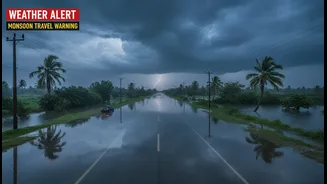
July is the peak of India's southwest monsoon, a season that transforms the country but also introduces significant travel hazards. While the idea of misty hills and rain-washed cities is appealing, the reality can include flash floods, landslides, waterlogged
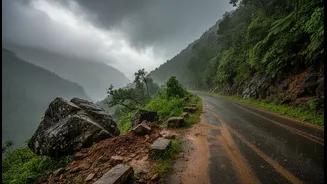
roads, and widespread transport disruptions. Hilly regions like Himachal Pradesh and Uttarakhand become particularly vulnerable to landslides and blocked roads. Coastal areas can experience rough seas and high winds, while cities may face severe waterlogging that brings traffic to a standstill. The active monsoon spell across the country means that even well-laid plans can be upended by sudden, intense rainfall. This makes it essential to shift your travel planning focus from 'where to go' to 'is it safe to go'.
Understanding IMD's Colour-Coded Warnings
The India Meteorological Department (IMD) is your most important guide for monsoon travel. The agency uses a simple colour-coded system to issue warnings about expected weather conditions. Understanding these alerts is the first step to making an informed decision. Green (No Warning): This means weather conditions are normal and no specific advisory is needed. Yellow (Be Aware): This is a cautionary signal. It indicates that weather could change and might cause disruptions. For travellers, a yellow alert means you should stay updated on forecasts and be prepared for potential delays. Orange (Be Prepared): This is a serious warning. An orange alert is issued when extremely bad weather is expected, which could disrupt transport, power, and pose a risk to safety. Travel to areas under an orange alert should be reconsidered or undertaken with extreme caution. Red (Take Action): This is the highest level of alert, signifying a significant threat to life and property from severe weather. All non-essential travel to or within a red-alert zone should be avoided.
Where to Find Accurate Alerts
Relying on generic weather apps is not enough. For the most accurate and official information, it is crucial to use the IMD's own platforms. The official website (mausam.imd.gov.in) provides detailed, district-wise warnings and five-day forecasts. The 'Mausam' app is another excellent tool for getting real-time updates and alerts directly on your phone. Additionally, the IMD's regional social media accounts often provide timely information on developing weather systems. Always check these official sources before you book and right before you depart, as conditions can change rapidly. Local authorities also issue advisories based on IMD forecasts, so pay attention to news from your intended destination.
A Smart Traveller's Monsoon Checklist
Once you've cleared your destination with the IMD forecast, smart preparation is key. A flexible itinerary with buffer days is non-negotiable to accommodate potential delays. Pack lightweight, quick-drying clothes instead of heavy cottons or jeans. Waterproof footwear with good grip is essential to prevent slips on wet surfaces. Protect your electronics, documents, and valuables in waterproof bags or pouches. Carry a first-aid kit, any necessary medications, and insect repellent. A fully charged power bank is also a must-have, as power cuts can be common during heavy rains. When on the road, drive slowly, maintain a safe distance from other vehicles, and never attempt to drive through flooded areas.