







The Energy Storage Puzzle
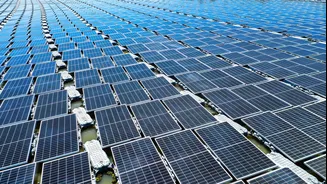
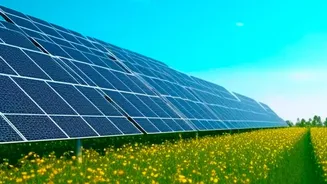
India has set ambitious targets to generate 500 gigawatts of power from non-fossil fuel sources by 2030. This massive push into renewables, particularly solar, is vital for the country's energy security and climate goals. However, these energy sources are
intermittent. Solar panels generate maximum power during the day, while demand often peaks in the evening. This mismatch creates a "timing problem" for the grid, requiring a cost-effective way to store surplus green energy and deploy it when needed. While lithium-ion batteries dominate the current storage market, their high cost, reliance on imported materials like lithium and cobalt, and safety concerns pose significant hurdles for large-scale adoption in India.
Enter Zinc-Air: A Promising Alternative
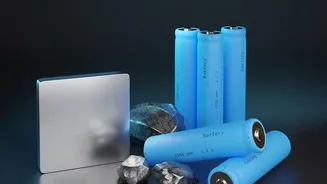
This is where zinc-air batteries come in. These batteries generate electricity through a reaction between zinc metal and oxygen from the air. Their primary advantages are compelling: zinc is an abundant, inexpensive resource available domestically in India, making the technology inherently cheaper and more secure from a supply chain perspective. Zinc-air batteries are also considered safer than their lithium-ion counterparts because they use water-based electrolytes, which are not flammable. Their theoretical energy density—the amount of energy stored in a given size—is also very high. Historically, however, their widespread use has been hampered by challenges like zinc corrosion and the need for expensive catalysts, which limited their rechargeability and lifespan.
The Indian Innovation Breakthrough
Recent breakthroughs by Indian scientists are tackling these exact problems head-on. Researchers at SASTRA Deemed University in Thanjavur, with support from the Department of Science and Technology, have developed a novel "nanofluid electrolyte." By adding tiny, low-cost nanoparticles of silica and zinc oxide to the electrolyte, they managed to solve two problems at once: it suppresses the corrosion of the zinc anode while also speeding up the oxygen reaction at the cathode. This innovation makes the battery more efficient and durable. The team also developed a new catalyst from copper-doped manganese dioxide that outperforms expensive precious-metal catalysts like platinum. In another innovative step, they successfully upcycled waste materials like used surgical masks and water filter carbon into high-performance battery components.
From Lab to Grid
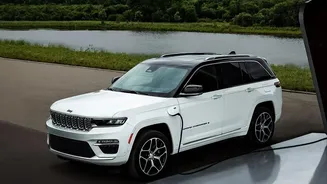
This research isn't just happening in isolation. Institutes like IIT Madras are collaborating with industry giants such as Hindustan Zinc to translate these findings into practical applications. One partnership aims to develop a 1 kWh electrically rechargeable zinc-air battery prototype, a crucial step towards creating larger systems for both stationary grid storage and electric vehicles. Researchers at IIT Madras are also developing mechanically rechargeable zinc-air batteries, envisioning a system where drivers could swap depleted zinc cassettes at recharge stations, similar to refuelling a conventional car. They claim these batteries could be three times cheaper than current lithium-ion options.
Challenges and the Road Ahead
Despite the promise, the path to commercialisation is not without obstacles. While research has shown great potential, scaling up production from laboratory prototypes to industrial-scale manufacturing is a significant challenge. India's overall battery energy storage system (BESS) deployment has been slower than needed, facing hurdles like delays in project agreements and a lack of transmission infrastructure. However, the economic case is becoming undeniable. The cost of battery storage in India has fallen dramatically in recent years, making solar-plus-storage solutions increasingly competitive with traditional power sources. Continued policy support, such as production-linked incentives and viability gap funding, will be crucial to nurture this homegrown technology and build a domestic manufacturing ecosystem.