







The Hidden Cost of Chasing Gains
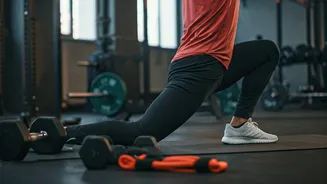
Lifting heavy weights is undeniably effective for building muscle and bone density. The feeling of hitting a new personal record is a powerful rush. But a fitness routine focused solely on lifting can have a downside. Over time, repetitive, heavy loads
without adequate counter-balancing can lead to joint compression, reduced flexibility, and increased stiffness. Muscles get tight, pulling on joints and limiting their natural range of motion. That nagging ache in your shoulder or the twinge in your lower back might not just be a sign of a good workout; it could be your body asking for a different kind of movement.
Why Flexibility Is Your Fitness Superpower
We often think of fitness in terms of strength and endurance, but flexibility is the silent third pillar of physical wellness. Good flexibility isn't about being able to fold yourself into a pretzel; it's about maintaining a healthy, functional range of motion in your joints. When your joints can move freely through their intended paths, you reduce the risk of injury, improve your posture, and alleviate chronic aches and pains. Flexible muscles are more efficient, which can even enhance your performance in other activities, including lifting. Think of it as essential maintenance for your body’s hinges—your ankles, knees, hips, and shoulders. Without it, movement becomes restricted and rusty over time.
Enter Yoga: More Than Just Stretching
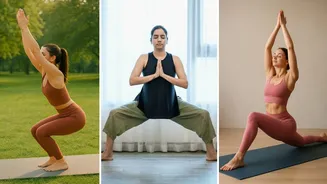
This is where yoga comes in, but it’s crucial to understand that it’s far more than simple static stretching. A well-structured yoga practice, especially one focused on joint flexibility, is a dynamic process. It combines active movement (flowing between poses) with passive holds, teaching your muscles to relax and lengthen. Poses are designed to gently decompress joints, create space in the joint capsule, and strengthen the small stabilising muscles that support them. Unlike simply touching your toes, yoga builds ‘functional flexibility’—the strength to control your movement through your full range of motion. This builds a resilient, mobile body that’s less prone to the strains and sprains that can derail a fitness journey.
Finding Your Flow with Themed Classes
The beauty of the digital age is that you don't need to find a specialised studio. The world of online yoga is brimming with classes themed around specific goals. Instead of searching for a generic “yoga class,” you can target your exact needs. Platforms like YouTube and dedicated yoga apps offer countless free and subscription-based classes with titles like “Yoga for Tight Hips,” “Shoulder Mobility Flow,” or “Yoga for Lower Back Relief.” These 20- to 30-minute sessions are specifically sequenced to target common problem areas. This thematic approach allows you to directly address the stiffness caused by sitting at a desk or the immobility resulting from your squat routine, making your practice incredibly efficient and effective.
How to Blend Yoga into Your Routine
“Ditching” heavy lifting entirely isn’t necessary or even advisable for most. The goal is balance. Start by integrating two or three short yoga sessions into your week. You could use a 20-minute hip-opening flow as a cool-down after leg day or start your mornings with a 15-minute spinal mobility routine. Don’t treat it as another high-intensity workout to conquer. The goal is to listen to your body, breathe deeply, and move with intention, not ego. You might find that improving your flexibility actually allows you to lift with better form, leading to even greater gains with less risk. It’s not about choosing one over the other; it's about creating a holistic routine that builds a body that is not only strong but also supple and resilient for years to come.