



Spinach (Palak)
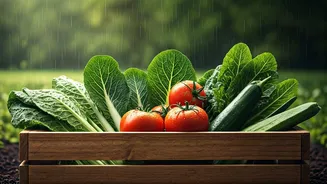
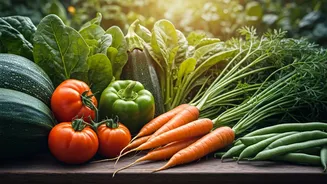
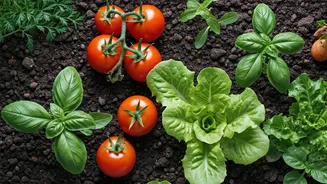
There’s a reason palak is a staple in Indian households, and it should be a staple in your beginner garden, too. Spinach is a fast-growing, cool-season leafy green that delivers results in just 40-50 days. It doesn't require a lot of space and grows exceptionally
well in containers or grow bags. The best part? It's a ‘cut-and-come-again’ plant. You can harvest the outer leaves, and the plant will continue to produce more from the centre, giving you a steady supply for your palak paneer or morning smoothies. For best results, sow seeds directly into your pot, keep the soil consistently moist, and place it in a spot that gets about 4-5 hours of morning sunlight.
Coriander (Dhania)
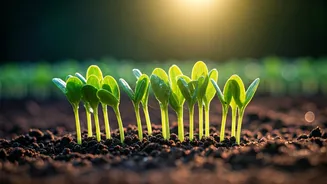
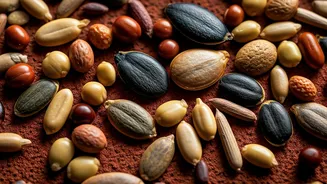
What’s an Indian kitchen without fresh dhania? Growing your own is easier than you think and far more fragrant than store-bought bunches. Coriander grows quickly from seed — you can even use the whole coriander seeds from your spice box (just gently crush them into two halves before sowing). It prefers cooler weather and partial shade, making it perfect for a balcony that doesn't get scorching afternoon sun. The key is to not let the soil dry out completely. In about four to six weeks, you’ll be able to snip off fresh leaves to garnish your dal or blend into a chutney. It’s a small effort for a huge flavour payoff.
Mint (Pudina)
If you want one plant that is almost impossible to kill, it’s mint. This herb is so vigorous that the main challenge is containing it! For this reason, always plant pudina in a pot by itself, unless you want it to take over your entire garden. You don't even need seeds; just take a few healthy stems from a bunch you bought at the market, place them in a glass of water until they sprout roots, and then plant them in soil. Mint loves moisture and partial sun. It will reward you with an endless supply for your chai, raita, and refreshing summer drinks. It's the ultimate confidence-booster for a new gardener.
Tomatoes (Tamatar)
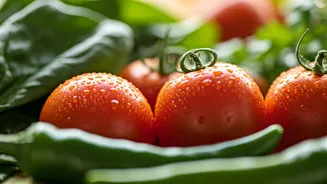
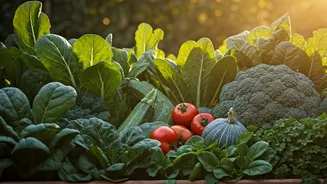
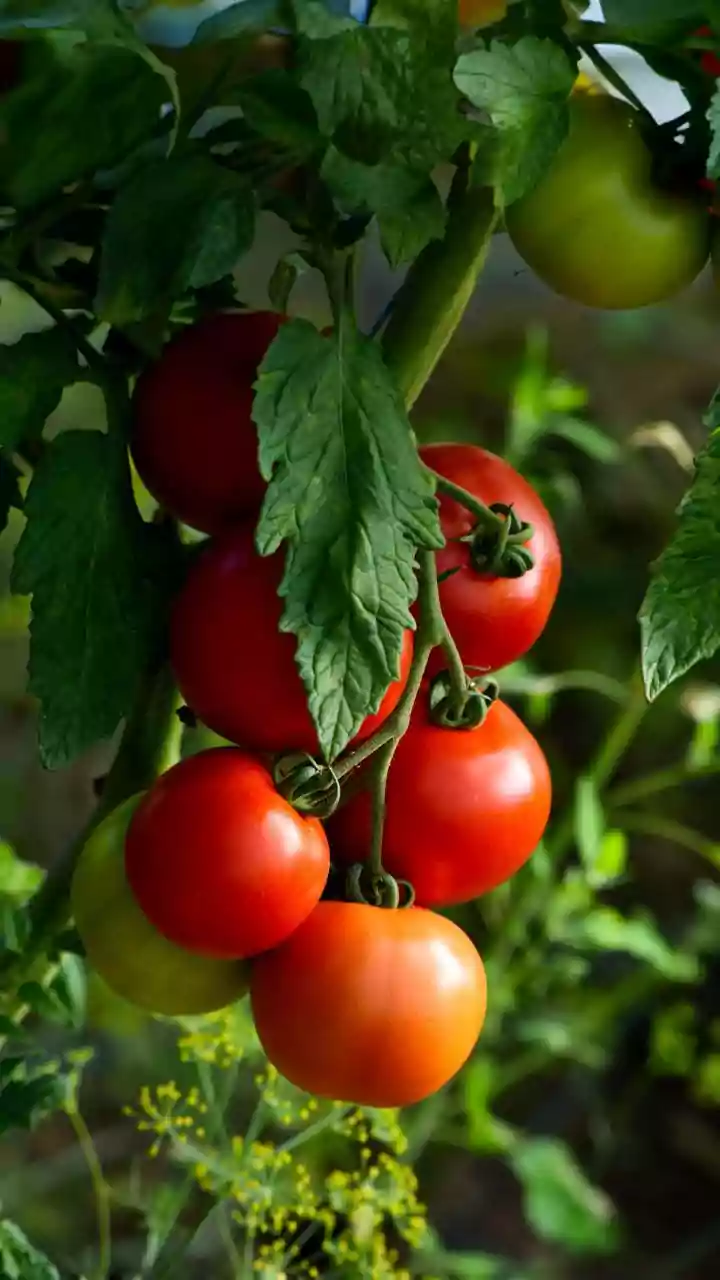
The joy of picking a sun-warmed, juicy tomato from your own plant is a core gardening experience. While some varieties can be tricky, cherry tomatoes are incredibly generous to beginners. They are prolific producers and are more resistant to pests and diseases than their larger cousins. Plant a single sapling in a large pot (at least 12 inches) with good drainage, provide a stake or cage for support, and place it in the sunniest spot you have—tomatoes need at least 6-8 hours of direct sunlight. Water deeply and regularly at the base of the plant. The taste of a homegrown tomato is worlds apart from a store-bought one, making the effort completely worthwhile.
Chillies (Mirch)
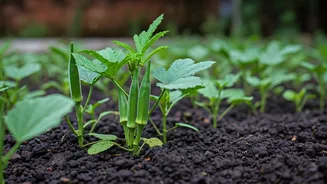
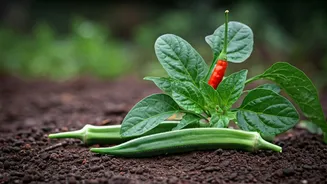
Chillies are a cornerstone of Indian cuisine, and they happen to love our climate. These plants are tough, drought-tolerant once established, and thrive in heat and sun. You can easily grow them in pots on a sunny balcony. Start from seeds or buy a small sapling from a local nursery to get a head start. Once the plant starts producing, a single healthy plant can give you a steady supply of chillies for months. The more you pick, the more the plant is encouraged to produce. From mild to fiery, there’s a huge variety to choose from, allowing you to customise the spice level in your home cooking.
Marigold (Genda)
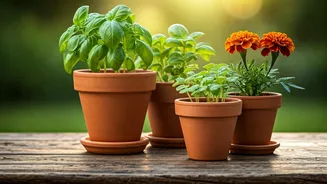
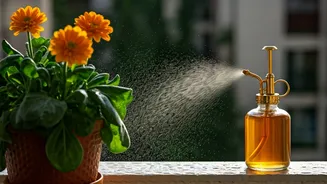
While not edible in the traditional sense, marigolds are a fantastic and easy choice for any beginner. They bring a vibrant splash of colour to your space and are incredibly low-maintenance. More importantly, they are champions of 'companion planting.' Genda flowers release a substance that deters common garden pests like nematodes in the soil, protecting your other vegetable plants. They bloom profusely, love the sun, and tolerate a bit of neglect. Sowing a border of marigolds around your vegetable patch is a simple, organic way to keep your garden healthy and beautiful.