






The Old Model and Its Leaks
For decades, the standard tourism model has prioritised volume. It often involves large, foreign-owned hotel chains, international tour operators, and supply chains that source goods from outside the host region. While this approach creates jobs, it also
creates significant 'leaks'. Economic leakage occurs when the revenue generated by tourism does not stay in the local community. This happens when tourists book through international agencies that take large commissions, stay in hotels that repatriate profits, or consume imported food and drinks. Studies have estimated this leakage can be as high as 40% in India and up to 80% in the Caribbean, meaning a huge portion of the economic benefit is lost. This starves local businesses of capital and limits the sector's ability to create deeper, more sustainable prosperity.
The Shift to a Community-Centred Engine
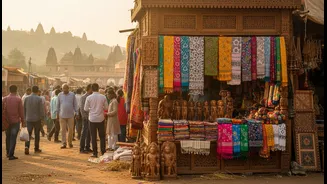
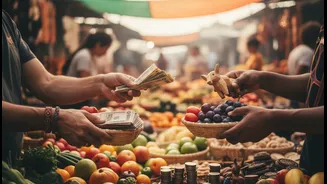
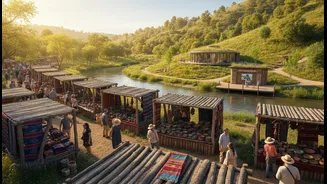
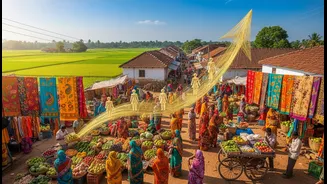
Viewing tourism as a local jobs engine requires a fundamental shift in thinking: from extraction to regeneration. This approach, often called community-based tourism (CBT), places local communities at the heart of the visitor experience. The goal is not just to provide jobs, but to ensure that ownership, management, and benefits are rooted locally. This transforms tourism from a system where money flows out to one where it circulates within the community, creating a powerful multiplier effect. Every rupee spent on a locally-owned homestay, a meal at a family-run restaurant, or a craft bought from a village artisan is more likely to be re-spent locally, supporting other businesses and strengthening the entire economic ecosystem.
How a Local-First Model Works
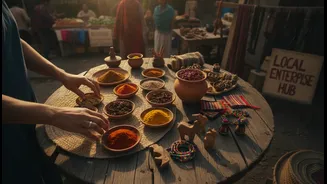
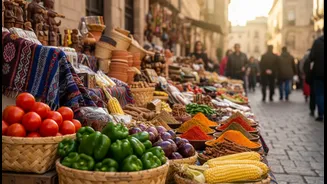
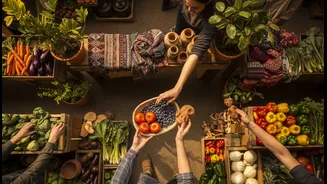
Putting this model into practice involves several concrete strategies. One key element is promoting locally-owned accommodation, such as homestays and small guesthouses, over large, non-local chains. In India, initiatives in states like Sikkim, Uttar Pradesh, and Kerala are actively encouraging homestay development to ensure income flows directly to families. Another strategy is to build local supply chains by encouraging hotels and restaurants to source food, beverages, and other goods from nearby farmers and producers. It also means empowering local guides, artists, and small-scale entrepreneurs to offer authentic experiences, from culinary tours to craft workshops. By developing these local linkages, a destination can significantly reduce its reliance on imports and keep more revenue circulating where it matters most.
The Ripple Effects of Keeping it Local
When more tourist spending is retained, the changes go far beyond the initial transaction. It empowers communities, particularly women and youth, who are often major participants in the tourism workforce. It creates diverse livelihood opportunities beyond traditional sectors like agriculture, which can be vulnerable to climate change. In rural areas, this can help reduce migration to overburdened cities by creating viable local careers. Furthermore, community-based tourism fosters a sense of pride and ownership over cultural and natural heritage, as locals have a direct economic incentive to preserve the very assets that attract visitors. This model transforms tourism into a tool for preserving culture, not diluting it.
The Challenges Ahead
Despite its potential, transitioning to a community-centric model is not without hurdles. Local entrepreneurs often lack the marketing reach and digital tools to compete with large online travel agencies and global brands. They may also require training in hospitality standards, business management, and digital literacy. Infrastructure in remote or rural areas can be another significant barrier. Overcoming these challenges requires a concerted effort from government bodies, industry stakeholders, and travellers themselves. This includes providing targeted training, developing destination-led booking platforms that bypass high-commission intermediaries, and investing in supportive infrastructure. For travellers, it means making conscious choices to support local businesses wherever possible.