


While summer is famous for wildlife sightings, a winter safari in India has a unique magic. The crisp air, golden light, and thinner foliage create perfect conditions for spotting the country's most iconic animals as they bask in the gentle sun.
Why Winter is a Prime Safari Season
Visiting
a national park between November and February offers a completely different experience from a summer trip. The harsh heat is replaced by pleasant, cool days, making for comfortable morning and afternoon safaris. Animals, too, change their behaviour. With the sun being less intense, predators like tigers and leopards remain active for longer periods during the day. You are more likely to see them walking in the open or resting in sunny patches, rather than being confined to the shade or dense cover. Furthermore, the vegetation is less dense than after the monsoon, but not as sparse as in peak summer, offering a beautiful green backdrop with improved visibility into the forest. For photographers, the soft, golden light of winter mornings is unparalleled.
Tracking the Tiger
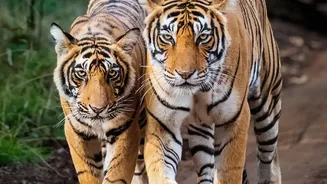
Winter is an excellent time for a tiger safari. The cool temperatures mean these magnificent cats are often on the move. Key parks for winter sightings include Ranthambore National Park in Rajasthan and Jim Corbett National Park in Uttarakhand. In Ranthambore, the pleasant daytime weather makes for enjoyable safaris, and tigers are often seen moving across the park's historic landscape of forts and lakes. While water sources are more widespread than in summer, meaning tiger movement is less predictable, both morning and afternoon safaris can be equally productive. In Corbett, December is considered a prime month. The vast grasslands, especially in the Dhikala zone, offer clear views as the mist lifts. Elephants and a huge variety of migratory birds are also major attractions during this season.
In Search of the Elusive Leopard
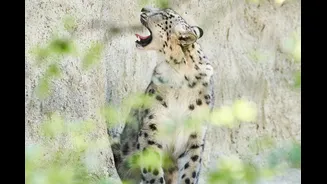
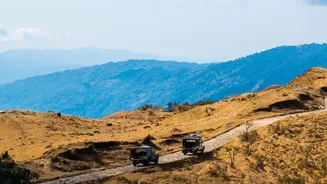
Leopards are famously shy, but certain locations in India offer a remarkably high chance of spotting them, even in winter. Jhalana Leopard Safari Park in Jaipur is a standout destination, celebrated as India's first leopard reserve. Located within city limits, this park has a dense population of over 40 leopards in its rocky Aravalli hills. The best time to visit Jhalana is from November to April, when the weather is cool and comfortable for an open-jeep safari. The dry, thinned-out vegetation makes it easier to spot these elusive cats as they rest on rocks or move through the scrub forest. Both morning and evening safaris are offered, and booking in advance is highly recommended as winter is the peak tourist season.
The Realm of the One-Horned Rhino
For an almost guaranteed encounter with the greater one-horned rhinoceros, Kaziranga National Park in Assam is the undisputed destination. The park, a UNESCO World Heritage Site, is home to two-thirds of the world's population of this magnificent animal. The best time to visit is from November to April, during the cool, dry winter months. During this period, the towering elephant grass that dominates the landscape is either cut back or dies down, dramatically improving visibility. Rhinos, along with wild water buffalo and swamp deer, are more easily seen near the park's many wetlands or 'bheels'. The Western (Bagori) and Central (Kohora) zones are particularly famous for high rhino density. Another option is Dudhwa National Park in Uttar Pradesh, which has a growing rhino population thanks to a successful reintroduction program.
Essential Tips for a Cold-Weather Safari
A winter safari requires some specific preparation. The cardinal rule is to dress in layers. Early morning jeep safaris can be surprisingly cold, with temperatures sometimes dropping near freezing in northern parks, and the wind chill in an open vehicle makes it feel even colder. A thermal base layer, a fleece or mid-layer, and a windproof outer jacket are highly recommended. Don't forget a woollen cap, muffler, and gloves, which make a huge difference to your comfort. Earthy and neutral colours like khaki, olive green, and brown are best, as bright colours can disturb the animals. Also, protect your camera gear from dust and the cold. Finally, book your safaris and accommodation well in advance, as winter is a popular season for wildlife tourism in India.