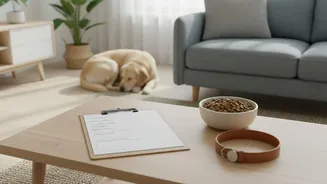



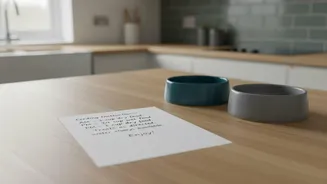
The Foundation: Flawless Feeding Instructions
Saying “feed the dog twice a day” is not enough information and can lead to confusion or mistakes. A good pet sitter wants exact details to ensure they are providing the best care. Your feeding instructions should be impossible to misinterpret. Be specific
about the brand and type of food, the precise amount for each meal, and the time it should be served. Instead of “a scoop,” write “1/2 cup of kibble, leveled with the blue measuring cup.” If you mix wet and dry food, specify the ratio. Note where the food is kept to prevent a frantic search through your kitchen cabinets. If your pet has any food allergies or sensitivities, this information should be highlighted to prevent accidental exposure to harmful ingredients. Clearly listing what’s allowed and what isn’t removes all guesswork and helps the sitter maintain your pet's dietary health.
Beyond the Bowl: Water and Treats
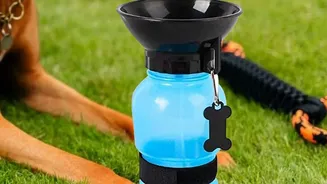
Hydration is just as important as food. Do you have a cat that prefers a running water fountain or a dog that needs their bowl refreshed multiple times a day? Note these preferences. Treats are another area where specifics matter. To prevent an upset stomach or overfeeding, list which treats are approved, how many your pet can have per day, and even what they’re given for. For instance, “One dental chew after the evening walk” is much clearer than “He can have treats.” Being explicit helps the sitter understand your pet's limits and avoids the kind of well-intentioned spoiling that can lead to digestive issues. If certain human foods are strictly forbidden, list them out to avoid any accidental feeding of something toxic.
Medical Needs and Medications
This section is non-negotiable and potentially life-saving. For any medications, list the name, dosage, what it looks like, the exact time it needs to be given, and the method of administration. For example: “One small white pill for arthritis at 8 AM, hidden inside a pill pocket.” If a pet has a chronic condition like diabetes or heart disease, describe the warning signs the sitter should watch for. Vague instructions like “the blue pill in the morning” are not helpful if multiple medications are present. Also, include instructions on what to do if a dose is missed, with the default being never to double up unless explicitly told otherwise by your vet.
Daily Routines and Quirks
Pets thrive on routine, so outlining their typical day helps reduce their anxiety while you're away. Detail their walk schedule, including duration and frequency. Mention their bathroom habits, such as where a cat's litter box is located or if a dog needs to be taken out right after waking up. Include information on their personality and behaviour. Do they hide when strangers visit? Are they scared of thunderstorms? Do they have a favourite toy or a particular spot where they love to nap? These small details help a sitter understand your pet’s normal behaviour, so they can more easily spot when something is genuinely wrong. It also helps them bond with your pet and make their stay more comfortable.
The 'What Ifs': Emergency Plan
No one wants to think about emergencies, but preparing for them is crucial. Provide the name, address, and phone number for your primary veterinarian as well as the nearest 24/7 emergency animal hospital. It's also wise to leave a letter authorizing the pet sitter to seek and approve veterinary treatment in your absence. Some owners also set a spending limit they are comfortable with before needing a call. Include your contact information, but also list one or two emergency contacts who can make decisions if you are unreachable. Having a clear plan empowers the sitter to act quickly and decisively if a crisis occurs, ensuring your pet gets the care they need without delay.
Home Information and Contact Details
If the sitter is staying in your home, they’ll need some basic household information. This includes your contact details and travel itinerary, Wi-Fi password, instructions for any alarms, when to take out the trash, and any quirks about the house, like a sticky lock on the back door. Providing these details makes the sitter's stay smoother and allows them to focus on what’s most important: your pet. A quick tour of the house before you leave can also help them locate important items like cleaning supplies, the fuse box, and spare keys.