
Ladakh: The High-Altitude Rain Shadow
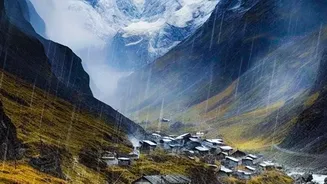
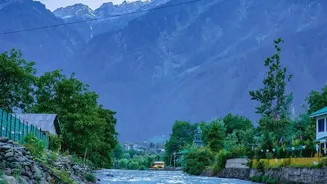
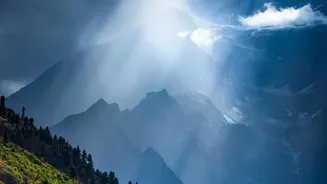
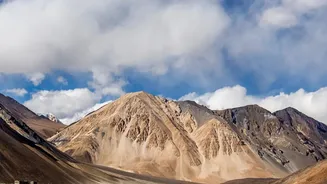
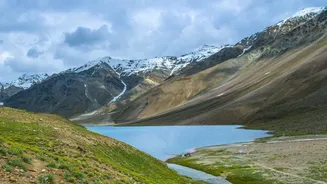
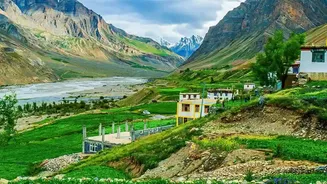
While most of India experiences heavy rainfall from June to September, Ladakh remains famously dry. Nestled in a rain shadow created by the Himalayan ranges, it receives minimal precipitation. This makes it a prime destination for those looking to escape
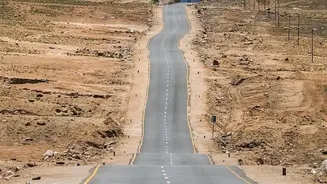
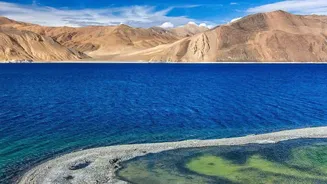
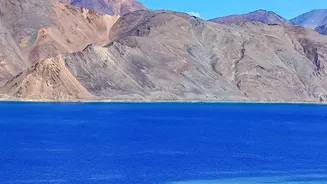
the monsoon. Daytime temperatures are pleasant, perfect for sightseeing and adventure. August is considered an excellent time to visit, as the high mountain passes, including the crucial Srinagar-Leh and Manali-Leh highways, are generally open and clear of snow. However, travellers should note that the approach roads to Ladakh pass through regions that do receive heavy rain, which can cause temporary landslides and delays. The atmosphere is bustling with trekkers, bikers, and families exploring monasteries, the Nubra Valley, and the stunning Pangong Lake under often clear blue skies. It's peak season, so expect more tourists and book accommodation in advance.
Kerala: A Lush, Rejuvenated Paradise
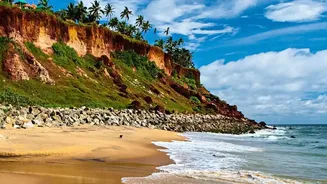
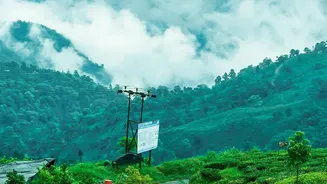
In stark contrast to Ladakh, Kerala embraces the monsoon wholeheartedly. The state receives two rainy seasons, with the main southwest monsoon hitting in June. This is when ‘God’s Own Country’ is at its most verdant and dramatic. The landscape transforms into a sea of lush greenery, waterfalls like Athirappilly and Vazhachal are at their thunderous best, and the backwaters in places like Alleppey swell with fresh life. The monsoon is traditionally considered the ideal time for Ayurvedic treatments, as the moist, cool air is believed to help the body absorb the therapies more effectively. While incessant downpours are not the norm, you can expect regular showers followed by periods of sunshine. This is the off-season, which means fewer crowds, more serene experiences, and attractive deals on flights and hotels. However, be prepared for high humidity and the possibility of travel disruptions in hilly areas like Munnar.
Goa: The Quiet and Romantic Coast
Monsoon turns the party capital of India into a tranquil, romantic retreat. The once-crowded beaches become quiet and windswept, perfect for contemplative walks, though swimming is generally unsafe due to rough seas and strong currents. The focus shifts from the coast to the hinterland, which bursts into vibrant shades of green. It's the perfect time for road trips through charming villages, exploring spice plantations, and visiting majestic waterfalls like Dudhsagar, which is at its most spectacular during this season. While most beach shacks and water sports are closed, many hotels and restaurants in North Goa remain open, offering a more relaxed vibe and off-season discounts. South Goa becomes even more serene, ideal for those seeking a quiet resort holiday. The state hosts unique monsoon festivals like Sao Joao in June and Bonderam in August, offering a glimpse into local culture.
The Verdict: Adventure, Rejuvenation, or Romance?
Choosing between these three destinations depends entirely on your travel style. If you want adventure, sunshine, and epic landscapes with minimal rain, Ladakh is the clear winner, though you must be prepared for the challenges of high-altitude travel. If your goal is to unwind, rejuvenate with Ayurveda, and immerse yourself in breathtakingly lush, green scenery, Kerala offers a unique and soulful experience. If you desire a quiet, romantic getaway with fewer crowds, dramatic coastal views, and the charm of a revitalised landscape, Goa provides a peaceful and budget-friendly option. Each destination offers a distinct flavour of the Indian monsoon, turning what is often seen as a travel obstacle into a memorable opportunity.