





Prioritise Waterproofing Everything
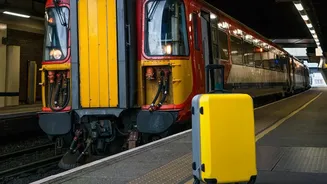
The number one rule for monsoon train travel is to assume everything can and will get wet. Start with your main luggage. While hard-shell suitcases offer good protection, a waterproof backpack or a bag with a dedicated rain cover is ideal. For an extra
layer of security, line the inside of your bag with large plastic bags. Critically, protect your most important items like electronics, documents (tickets, ID), and medicines by sealing them in separate zip-lock pouches. This double-protection strategy ensures that even if your main bag is exposed to a downpour on a station platform, your essentials remain completely dry.
Choose the Right Clothing and Footwear
Heavy fabrics like denim and thick cotton are your worst enemy in the monsoon; they soak up water and can take days to dry in the humid conditions. Instead, pack lightweight, synthetic, and quick-drying clothes. Fabrics like polyester and nylon are excellent choices. It's wise to pack an extra set of clothes in a waterproof bag in case you get soaked. For footwear, avoid leather and opt for rubber sandals, floaters, or waterproof shoes with a good grip. Slippery station platforms and pathways are common, so anti-skid soles are a must for safety.
Build a Monsoon-Specific Health Kit
The rainy season can increase health risks, with a higher chance of waterborne and mosquito-borne illnesses. Your medical kit should be tailored accordingly. Include a strong insect repellent to protect against mosquitoes, especially in carriages with open windows. Pack basic medicines for fever, diarrhoea, and colds, along with antiseptic cream and bandages. Hand sanitiser and wet wipes are essential for maintaining hygiene. Given the higher risk of contaminated water, it is best to stick to packaged drinking water and avoid ice in drinks from outside vendors.
Plan Your Food and Drink Strategy
Monsoon can disrupt pantry car services and limit options from platform vendors. While hot, cooked meals on the train are generally safe, it's smart to carry a supply of non-perishable snacks. Items like dry fruits, nuts, biscuits, and energy bars can be invaluable during unexpected delays. Always carry your own bottled water and consider bringing a reusable bottle you can refill from reliable sources. Avoid raw foods, pre-cut fruits, and any street food where hygiene might be questionable, as the risk of contamination is higher during this season.
Prepare for Delays and Downtime
Heavy rains frequently lead to waterlogged tracks, landslides, and poor visibility, which can cause significant train delays or even cancellations. A flexible mindset is key. To combat boredom during long waits, ensure your entertainment is pre-downloaded. Books, music, podcasts, and movies on your phone or tablet can make the time pass more enjoyably. Most importantly, carry a fully charged power bank. Power cuts can be common, and you'll need your phone for updates, communication, and entertainment.
Secure Your Luggage Effectively
While not exclusively a monsoon tip, the chaos of a rainy, crowded station can create opportunities for theft. It's always wise to secure your luggage. A sturdy chain and a good quality lock are essential for securing your main bags under your berth. Most long-distance trains have rings or bars under the lower seats for this exact purpose. Keep your daypack with all your valuables—like your wallet, phone, and passport—with you at all times. Never leave it unattended, even for a moment.