




Understanding the Sattvik Approach
Rooted in Ayurveda and yogic philosophy, a Sattvik diet is based on the principle of consuming pure, fresh, and life-giving foods. The word 'Sattvik' is derived from the Sanskrit word 'sattva', which means purity, balance, and harmony. This diet emphasizes
foods that are fresh, seasonal, and lightly cooked to preserve their vital nutrients and life force, or 'prana'. It avoids ingredients that are considered overly stimulating (Rajasic), like onions, garlic, and excessive spices, or those that are heavy and dulling (Tamasic), such as stale, processed, or fried foods. The goal is to nourish the body, calm the mind, and promote mental clarity.
What Happens to Your Gut During a Fast?
When you fast, your digestive system gets a much-needed rest. This break can have significant effects on your gut microbiome—the trillions of microorganisms living in your digestive tract. Research suggests that fasting can influence the composition and diversity of gut bacteria. While the population of some bacteria might decrease due to a lack of their usual food source, this period can also help reduce inflammation and cull less beneficial bacteria. The period of refeeding, or breaking the fast, is crucial. Introducing heavy, oily, or processed foods can shock the system, leading to bloating and digestive distress. Your gut is in a sensitive state, making the choice of your first post-fast meal incredibly important for maintaining balance.
The Sattvik Advantage for Gut Health
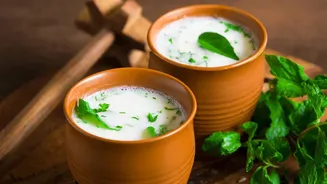
This is where Sattvik principles shine. Sattvik foods are inherently easy to digest, making them ideal for a resting gut. They are typically high in fibre from fruits and vegetables and are cooked in ways, like steaming or boiling, that preserve nutrients without adding heavy fats. This gentle nourishment helps to repopulate the gut with beneficial bacteria without overwhelming the digestive system. For example, the high water content in many Sattvik-approved fruits and vegetables aids hydration and smooth digestion. Furthermore, the inclusion of cultured dairy products like yogurt (dahi) provides a natural source of probiotics, which are essential for a healthy microbiome. By avoiding inflammatory ingredients like refined sugar, heavy oils, and aggressive spices, a Sattvik meal soothes the gut lining.
Sattvik Foods to Embrace During Fasts
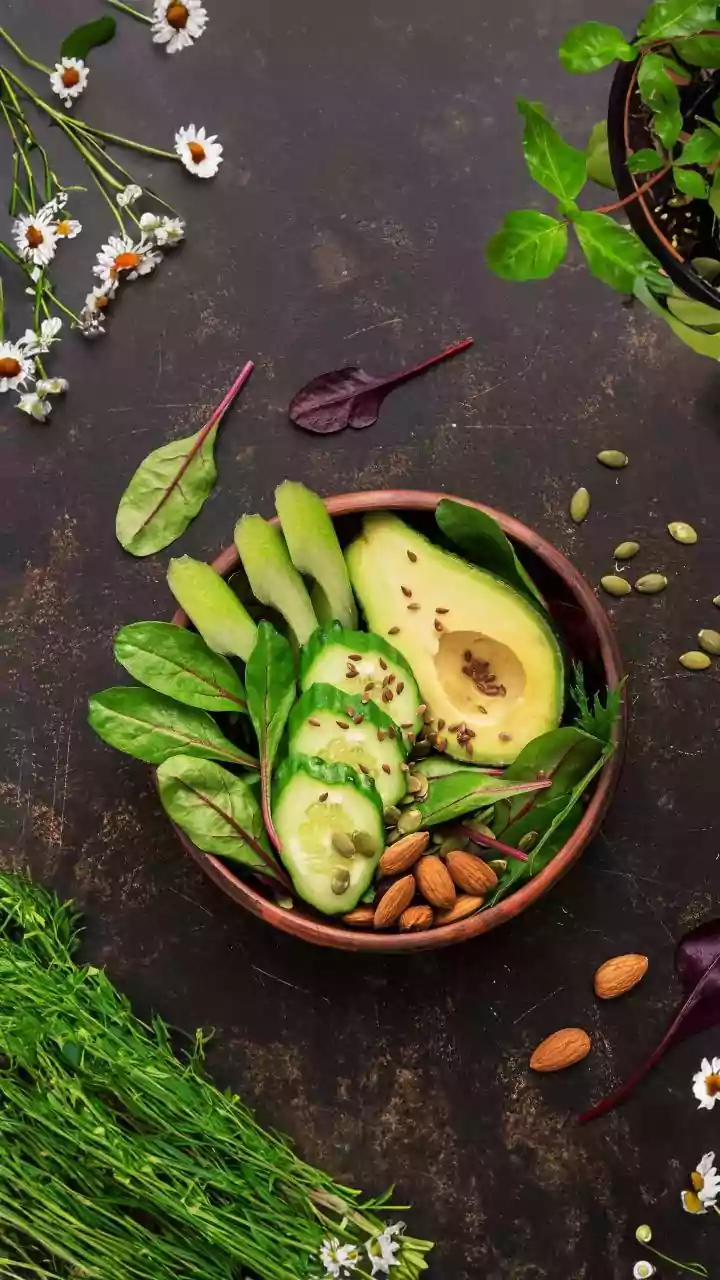
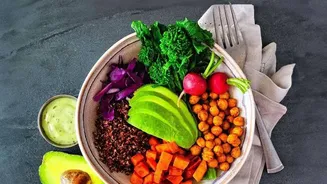
Many traditional foods eaten during festive fasts like Navratri are naturally Sattvik. These ingredients provide sustained energy and are gentle on the stomach. Good choices include amaranth flour (rajgira), buckwheat flour (kuttu), and water chestnut flour (singhara), which are gluten-free and nutritious. Vegetables like pumpkin, bottle gourd (lauki), and sweet potato are excellent as they are easy to cook and digest. Fruits, nuts, and seeds offer vital nutrients and healthy fats. For a complete meal, Sabudana Khichdi (tapioca pearl pilaf), when made with minimal oil and gentle spices like cumin and rock salt (sendha namak), is a classic fasting dish that fits Sattvik principles perfectly.
Mindful Eating for a Balanced Microbiome
Beyond just the ingredients, the Sattvik philosophy also emphasizes mindful preparation and consumption. Cooking with a calm and positive mindset is believed to enhance the food's nourishing qualities. Similarly, eating slowly, chewing thoroughly, and avoiding distractions like screens allows your body to register fullness and digest food more efficiently. This practice of mindful eating helps prevent overeating, a common issue when breaking a fast, which can disrupt gut balance. By eating until you are about 80% full, you give your digestive system the space it needs to function optimally, a key tenet of the Sattvik lifestyle.