




What Exactly Is 'Gourmet' Pet Food?
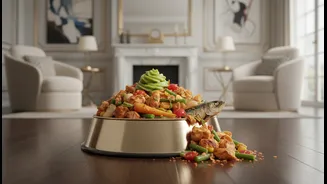
The term 'gourmet' in pet food generally refers to meals made with high-quality, often human-grade, ingredients. This can include fresh or gently cooked meats, vibrant vegetables, and whole grains, without the artificial preservatives or fillers found
in some processed options. The trend mirrors human food movements, where culinary expertise and premium ingredients are prioritised. In India, this growing market includes everything from freeze-dried raw foods and wet food pouches with exotic proteins to subscription boxes that deliver freshly cooked meals tailored to your pet's needs.
The Benefits of Adding Variety
The primary appeal of gourmet food is the improved quality of ingredients and the variety it introduces. For picky eaters, the enhanced taste and aroma can make mealtimes more exciting. A diet rich in fresh, high-quality ingredients may also lead to visible health benefits like a shinier coat, healthier skin, and increased energy levels. Furthermore, introducing different proteins and textures can make your pet's diet more stimulating and enjoyable. Some pet parents use these special meals as an occasional treat, while others see them as a daily essential for their pet's long-term health.
The Risks of an Unbalanced Diet
While well-intentioned, switching to a homemade or exclusively gourmet diet without proper knowledge can be dangerous. The biggest risk is nutritional imbalance. Studies have shown that the vast majority of homemade diet recipes found online are deficient in at least one essential nutrient. Common deficiencies in improperly planned diets include a lack of essential minerals like calcium, zinc, and iodine. Over time, these imbalances can lead to serious health issues, from poor skin and coat to chronic digestive problems and even bone-related disorders. Conversely, over-supplementing with certain vitamins can also cause toxicity.
A Foundation of Balanced Nutrition
A complete and balanced diet provides all the necessary nutrients your pet needs to thrive. According to standards set by bodies like the Bureau of Indian Standards (BIS) and the Association of American Feed Control Officials (AAFCO), this includes specific ratios of protein, fats, carbohydrates, vitamins, and minerals. Adult dogs, for example, generally require a diet with at least 18% protein, while puppies need around 22%. Cats, as obligate carnivores, have even more specific needs, including higher protein levels and essential nutrients like taurine that they cannot produce themselves. Any diet, whether commercial or gourmet, should meet these baseline requirements for your pet’s specific life stage.
How to Incorporate Gourmet Food Safely
The safest way to add variety is to use gourmet or fresh foods as a supplement rather than a complete replacement for a balanced commercial diet. A common guideline is the '20% rule': you can replace up to 20% of your pet's daily calories with fresh or gourmet additions without unbalancing their core nutrition. This allows you to add tasty toppers like unseasoned cooked chicken, eggs, oily fish, or steamed vegetables. When introducing any new food, do it gradually over 7-10 days to avoid digestive upset. If you wish to switch entirely to a fresh or gourmet diet, it is crucial to do so under the guidance of a veterinary nutritionist who can formulate a complete and balanced meal plan.