





The Allure of the Headline Price
IRCTC frequently advertises tour packages that bundle travel, accommodation, and sightseeing into a single, attractive price. For destinations like the Shirdi-Ajanta-Ellora circuit, a major pilgrimage and heritage trail, these packages promise immense
convenience. You'll see fares advertised per person, often on a twin or triple-sharing basis, which seems like a fantastic deal for a multi-day trip covering several key locations in Maharashtra. The primary draw is the simplicity: one payment, and your train tickets, hotels, and local transport are seemingly sorted. This is especially appealing for families and senior citizens who prefer to avoid the stress of planning a complex itinerary themselves.
What Your Base Fare Typically Includes
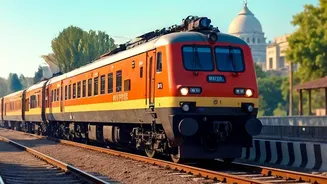
To understand the value, it's crucial to know what you're paying for. Most standard IRCTC rail tour packages include confirmed train tickets in a specified class (like Sleeper or 3AC), basic hotel accommodation, and some meals as mentioned in the itinerary—often breakfast and dinner. The package also generally covers transfers from the railway station to your hotel and sightseeing in a non-AC or AC vehicle, depending on the package tier. Travel insurance and GST are also frequently part of the initial cost, giving you a baseline of services for your money. For many, this bundle provides peace of mind and a predictable structure for their journey.
The Exclusions: Where Costs Add Up
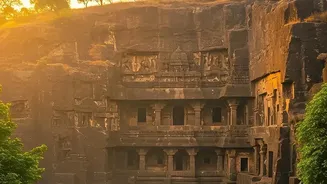
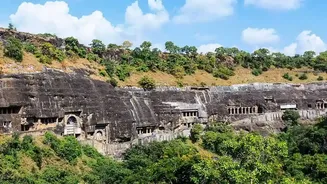
The headline price is just the beginning. The 'exclusions' list is where your budget can quickly expand. A major cost not typically included is the entry fee for monuments and temples. For the Ajanta and Ellora caves, the entry fee for Indian citizens is around ₹40 per site. Similarly, while general darshan at Shirdi may be free, a VIP darshan for quicker access costs around ₹200, and attending special aartis can cost between ₹400 and ₹600. These ticket costs, when multiplied by the number of family members and sites visited, can add a significant amount to your total expense. You should always read the 'inclusions and exclusions' section carefully before booking.
Meals, Guides, and Other Hidden Charges
Another area to watch is the meal plan. While breakfast and dinner might be included, lunch is often not, requiring you to budget for it daily. Any meals or snacks consumed during train journeys are also usually your own expense. Furthermore, the services of a tour guide are not always covered in the base price. While sightseeing transport is provided, a knowledgeable guide to explain the history of the Ajanta and Ellora caves might be an optional extra. Other personal expenses like tips for drivers and hotel staff, laundry services, and any shopping are, naturally, not part of the package fare and should be factored into your travel budget.
Decoding the Itinerary and Accommodation
The package itinerary provides a fixed schedule, which means there is often little room for flexibility. 'Visiting' a site might mean a quick photo stop rather than an in-depth tour, so it is important to check the time allocated for each location. The pace can be fast, covering multiple destinations in a short period. Accommodation is another key detail. The hotel category (budget, standard, deluxe) will be specified, but the actual hotel assigned might only be confirmed just before the trip. It's wise to look up reviews of the hotels IRCTC typically uses for a particular package to set your expectations regarding comfort and amenities.