




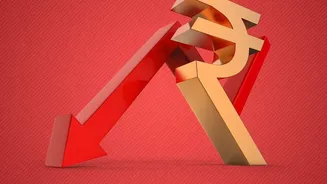

Planning to buy a home or already paying off a loan? The twin pressures of rising property prices and the possibility of higher EMIs are a major concern. Here’s a breakdown of what’s happening and how you can navigate the uncertainty.
Why Property Prices Keep Climbing
Across India's major
cities, the dream of homeownership is getting more expensive. Residential property prices have continued their upward trend through 2026. In the third quarter, cities like Bengaluru, Chennai, and Delhi-NCR saw annual price appreciation of 10% to 15%. This isn't just about high demand. The cost of construction materials like steel and cement, driven by broader inflation, has made new projects more expensive for developers, who pass these costs on to buyers. Despite higher prices, housing sales have remained robust, particularly in the premium segment for homes priced above ₹1 crore. This sustained demand, fueled by job growth and infrastructure improvements in key urban hubs, gives developers little reason to lower prices.
The RBI's Role and the Interest Rate Link
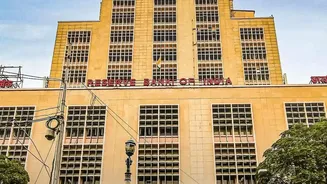
The Reserve Bank of India (RBI) has a primary mandate: to keep inflation under control, ideally around a target of 4%. When prices across the economy rise too quickly, as seen with retail inflation crossing the 6% mark in October 2026, the RBI steps in. Its main tool is the repo rate—the rate at which it lends to commercial banks. By increasing the repo rate, the RBI makes borrowing more expensive for banks. In turn, banks pass this increased cost on to consumers in the form of higher interest rates on loans, including home loans. The goal is to cool down spending and borrowing, which helps to tame inflation. After raising the repo rate to 5.50% in October 2026, many economists now expect another hike in December as inflation remains a key concern.
What This Means for Your EMI
For anyone with a floating-rate home loan—the most common type in India—a change in the repo rate directly impacts their Equated Monthly Instalment (EMI). When banks raise their lending rates, they can either increase your monthly EMI payment or extend the loan tenure. For instance, a 0.50% increase on a ₹50 lakh loan with a 20-year tenure can raise the EMI by about ₹1,595 per month. While extending the tenure might seem easier as the monthly payment stays the same, it is a far more expensive option in the long run, as you end up paying significantly more in total interest. Financial experts almost universally advise borrowers to opt for a higher EMI instead of a longer tenure when rates rise.
Strategies for New and Existing Borrowers
In this environment, both prospective and current borrowers have options. For those looking to buy, getting pre-approved for a loan can help lock in a rate and provides a clear budget. With rates expected to rise further, some experts suggest that buying sooner rather than later could be advantageous to secure current rates before they climb higher. Improving your credit score and making a larger down payment can also help you qualify for a more favourable interest rate. For existing borrowers on a floating rate, one effective strategy is prepayment. Making partial prepayments towards the principal amount, whenever you have surplus funds, can significantly reduce your total interest outgo and shorten the loan tenure. Another option is to voluntarily increase your EMI. This has a similar effect to prepayment, helping you close the loan faster and save on interest.
Fixed vs. Floating Rates: A Quick Look
The current uncertainty highlights the classic dilemma between fixed and floating interest rates. A fixed-rate loan offers predictability; your EMI remains unchanged for the entire tenure, protecting you from any future rate hikes. However, the initial interest rate is typically higher than a floating rate. An adjustable-rate or floating-rate mortgage starts with a lower rate, but your EMI can increase (or decrease) based on the RBI's policy decisions. While riskier during a rising rate cycle, floating rates can be beneficial when rates are expected to fall. Given that some analysts predict rates could continue to climb into mid-2027 before potentially easing, choosing a fixed rate might offer valuable peace of mind for those with low-risk appetites.