

Why the Comeback, Why Now?
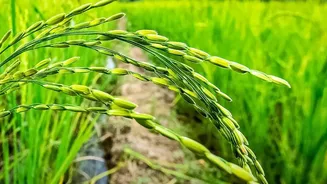
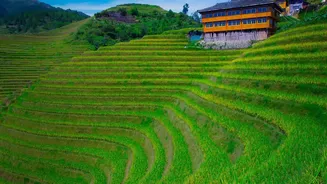
For decades, Indian agriculture prioritised high-yield hybrid rice varieties to ensure food security, a move that dramatically increased production but shrank biodiversity. India, which once cultivated over 100,000 types of rice, saw thousands of traditional
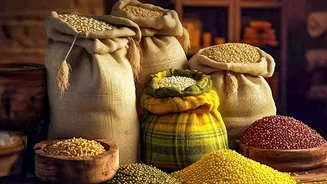
strains vanish from fields. Today, the revival is driven by a convergence of factors. Health-conscious consumers are seeking out nutrient-dense alternatives to polished white rice. Simultaneously, farmers and environmental advocates are championing these heirloom seeds for their climate resilience. Many traditional varieties are naturally resistant to pests, floods, and soil salinity, making them a sustainable choice in an era of unpredictable weather. This movement isn't just about nostalgia; it's a practical response to modern challenges.
More Than Just a Meal
Choosing a traditional rice variety is about more than taste; it's a vote for a more sustainable food system. Cultivating these grains helps preserve India's agricultural biodiversity, which has been under threat from monoculture farming. It also offers a lifeline to small-scale and tribal farmers, many of whom have been the custodians of these ancestral seeds for generations. By creating a market for varieties like Kullakar from Tamil Nadu or Kagga from coastal Karnataka, consumers directly support farming communities and encourage eco-friendly agricultural practices that often require fewer chemical inputs. This farm-to-table connection empowers farmers to earn better incomes while safeguarding a priceless genetic heritage.
A Culinary Tour: Varieties to Try
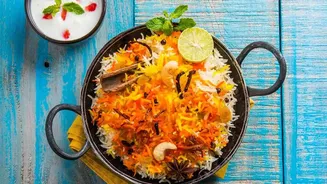
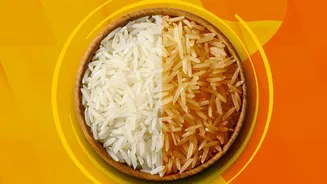
The world of traditional Indian rice is vast and flavourful. Each grain tells a story of its region. West Bengal's Gobindobhog is a short, aromatic rice with a buttery flavour, perfect for khichuri and payesh. From Manipur comes the famous Chak-hao, a glutinous black rice rich in antioxidants with a nutty taste that shines in desserts. In the south, Kerala's Navara is a red rice known for its medicinal properties in Ayurveda, while Tamil Nadu's Seeraga Samba is a tiny, fragrant grain prized for making flavourful biryanis. Many of these unpolished varieties, including red and black rice, offer more fibre, vitamins, and minerals than their commercial counterparts.
How to Join the Rice Revival
Getting started is easier than you think. The first step is to look beyond the usual supermarket shelves. Farmers' markets, organic stores, and dedicated online retailers are excellent sources for discovering and purchasing heirloom rice. Brands and collectives focused on sustainable agriculture often provide detailed information about the rice's origin and benefits. When it comes to cooking, don't be intimidated. While some varieties might require slightly different water ratios or cooking times than standard white rice, most are simple to prepare. Red and black rice varieties often have a firmer texture and nuttier flavour, making them a great substitute in salads, pulaos, and porridge. Start with one new variety, like the versatile red rice Mappillai Samba, and explore from there.