



The Philosophy of the Path
Before lacing up your hiking boots, it’s essential to understand what makes a Bhutanese trek unique. The country famously prioritises Gross National Happiness over Gross Domestic Product, a philosophy that extends directly to its tourism model: ‘High
Value, Low Volume’. Every visitor contributes a daily Sustainable Development Fee (SDF), which might seem steep, but it’s a direct investment. This fee funds the nation's free healthcare and education, protects its pristine forests (Bhutan is carbon-negative), and ensures that tourism benefits local communities without overwhelming them. When you walk a trail here, you are actively participating in a model of preservation, making every step meaningful.
1. The Trans Bhutan Trail
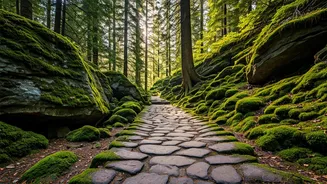
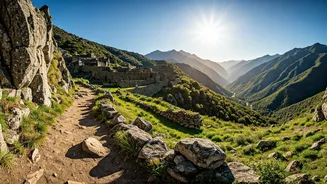
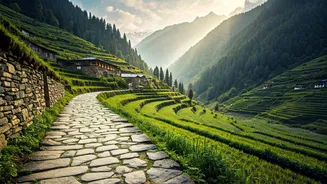
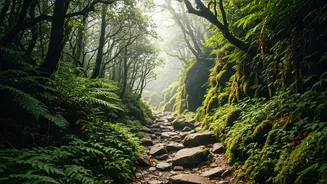
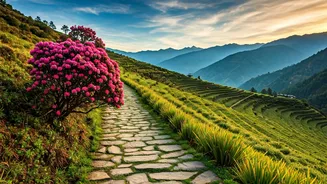
For centuries, this 403-kilometre trail was the only way to traverse the country, used by monks, messengers, and merchants. After falling into disuse for 60 years, it was meticulously restored and reopened in 2022. Hiking even a section of it is like walking through a living museum. The path winds through lush rhododendron forests, connects dozens of villages, and passes countless ancient dzongs (fortresses) and temples. It offers an unparalleled immersion into Bhutan's history and culture. You can opt for a multi-day expedition or a single-day hike, but either way, you’ll be treading a path that has defined the nation's identity for generations.
2. The Druk Path Trek
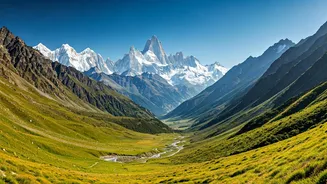
Often called the most popular trek in Bhutan, the Druk Path is a perfect introduction to the country's high-altitude beauty without requiring a month-long commitment. Typically completed in 6 days, it connects the cities of Paro and Thimphu. The trail traverses a stunning mountain ridge, offering breathtaking views of the eastern Himalayas, including Mount Gangkar Puensum, the world's highest unclimbed peak. The highlights are the crystal-clear high-altitude lakes like Jimiling Tsho, famous for its giant trout. It’s a fantastic balance of manageable challenge, cultural stops, and epic Himalayan scenery, ideal for those with moderate fitness and a thirst for majestic views.
3. The Jomolhari Trek
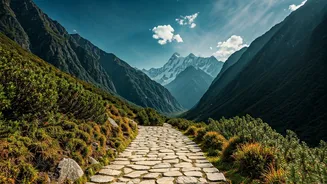
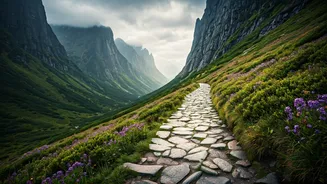
This one is for the serious adventurer. The Jomolhari Trek is a challenging but immensely rewarding journey that takes you right to the base of the sacred Mount Jomolhari (7,326m), the ‘Bride of Kangchenjunga’. The trail follows the Paro Chhu river valley before climbing into the high alpine zone. Along the way, you’ll pass through remote villages inhabited by yak herders and may even spot rare wildlife like the elusive snow leopard or the blue sheep. The raw, dramatic landscapes of jagged peaks, vast valleys, and glacial moraines are humbling. This trek is a profound experience, pushing your physical limits while offering a deep connection to the power of the Himalayas.
4. The Bumthang Owl Trek
If you’re seeking a gentler, more cultural experience, the Bumthang Owl Trek is an excellent choice. Located in the central Bumthang region, considered the spiritual heartland of Bhutan, this three-day trek is more of a cultural walk than a strenuous hike. It meanders through pine forests, rolling hills, and quiet villages dotted with ancient monasteries like Chhoekhor and Thangbi Lhakhang. Named for the hooting owls that are common in the area, it’s a trek that feels deeply peaceful and immersive. It’s perfect for families or those who want to prioritise cultural connection and serene landscapes over high-altitude challenges.