


The Genius of the Indian Kitchen
Long before 'probiotic' and 'gut health' became global buzzwords, Indian cooks had mastered the art of fermentation. This natural process, where microorganisms like yeast and bacteria break down sugars and starches, is a cornerstone of the country's culinary
heritage. It’s a technique born from wisdom, used to enhance flavour, improve digestibility, and naturally preserve food. From a batter left to rise overnight on a warm counter to a jar of pickles sunning on a balcony, fermentation is a patient art that unlocks nutrients, making foods richer in B vitamins and easier on the stomach. This tradition is less a specific recipe and more a rhythm of the household, a sustainable practice that reduces food waste and connects generations.
South India's Fermented Duo: Idli and Dosa
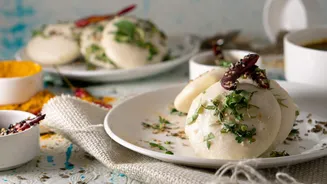
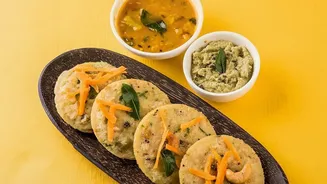
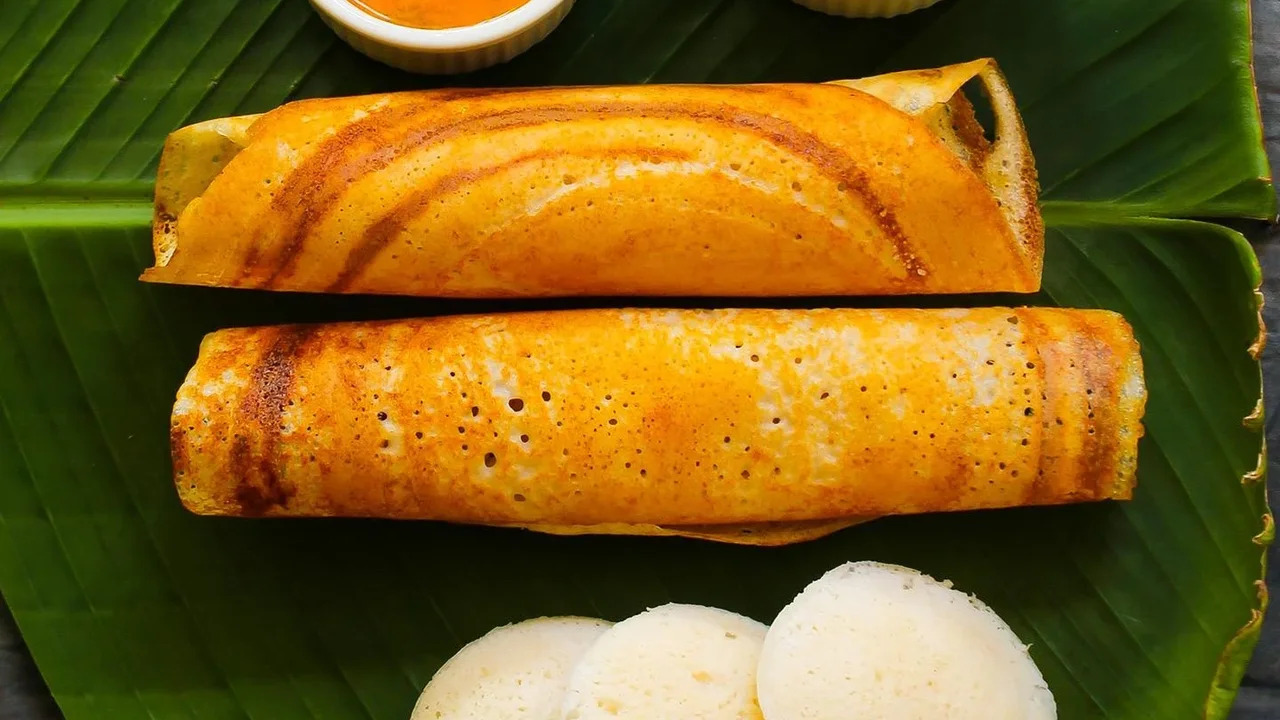
Perhaps no dish better represents this tradition than the South Indian staples of idli and dosa. Made from a simple batter of soaked rice and urad dal (black gram), their transformation is pure alchemy. The batter is left to ferment, often for 8 to 16 hours, during which it bubbles and grows, developing its signature tangy flavour. This single act of fermentation is what creates the light, fluffy texture of a steamed idli and the crisp, golden-brown surface of a dosa. What makes this duo truly remarkable is its flexibility. The same base batter can be used to create soft idlis for breakfast one day, crispy dosas for dinner the next, and even thick, savoury uttapams studded with vegetables, showcasing incredible versatility from a single preparation.
Gujarat’s Spongy Marvel: Dhokla
Travel west to Gujarat, and you'll find another fermented wonder: the airy and spongy dhokla. Traditionally made from a fermented batter of rice and chickpea flour (chana dal), this savoury cake is a testament to regional ingenuity. The process involves soaking the grains, grinding them into a paste, and allowing it to ferment for several hours, which helps create its characteristic light texture. Many modern recipes use besan (gram flour) and a touch of curd to speed up the fermentation. Once fermented, the batter is steamed, not fried, making it a light and healthy snack. Topped with a tempering of mustard seeds, curry leaves, and green chillies, dhokla is a perfect example of how fermentation creates a uniquely delicious and digestible food.
Beyond the Batter: Drinks and Pickles
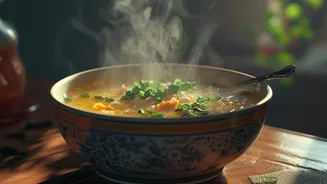
Fermentation in India isn't limited to batters. The country's culinary landscape is dotted with a vast array of fermented beverages and condiments. In North India, the winter months bring Kanji, a probiotic drink made by fermenting black carrots or beetroot in water with mustard seeds. It’s tangy, pungent, and celebrated for its digestive benefits. Then there is the universe of Indian pickles, or 'achaar'. Unlike western pickles that often rely on vinegar, traditional Indian pickles are preserved in oil and salt, using the power of the sun and time to lacto-ferment. This slow process not only preserves seasonal vegetables and fruits for months but also creates complex layers of flavour that are impossible to replicate, making pickles a vital, tangy accompaniment to any meal.
Adaptability Is the Secret Ingredient
The enduring story of these dishes is also one of remarkable flexibility. The core recipes are templates, not rigid rules. The ratio of rice to dal in an idli batter can vary from house to house. The vegetables used for pickling depend entirely on what is seasonal and local. A dhokla can be made with rice, chana dal, or other lentils. This adaptability is key to their longevity. It allows cooks to work with what they have, reflecting the local harvest and personal tastes. These are not static museum pieces; they are living recipes that have evolved over centuries, passed down through generations, and continually adapted to the resources and climate of each unique region. This flexibility ensures they remain relevant, practical, and deeply woven into the fabric of daily life.