




The Foundation: Food Safety First
Before you even think about recipes, the first priority is food safety. Improperly stored food is a primary cause of foodborne illnesses, which can quickly ruin a trip. The main challenge on the road is temperature control. Perishable foods like dairy,
meat, and cooked meals must be kept below 40°F (about 4°C) to prevent harmful bacteria from multiplying. After two hours at room temperature—or just one hour if temperatures are above 90°F (32°C)—these foods can become unsafe to eat. Simple practices like washing hands thoroughly before handling food, using clean containers, and keeping raw items separate from ready-to-eat foods are non-negotiable, even when you are away from your home kitchen.
Smart Packing for Temperature Control
A well-packed cooler is your best friend for long journeys with perishable items. For maximum effectiveness, pre-chill your cooler with a bag of ice for a few hours before packing. Pack items directly from the refrigerator into the cooler. A full cooler stays colder longer, so fill any empty space with extra ice packs or bottles of frozen water, which can double as drinking water once they thaw. Consider using two coolers: one for drinks and snacks that will be opened frequently, and another for perishable meals that should remain sealed as much as possible to retain the cold. If packing hot food, use an insulated container and ensure the food is piping hot when it goes in to keep it at a safe temperature of 140°F (60°C) or above.
Choosing the Right Travel-Friendly Foods
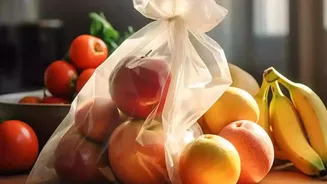
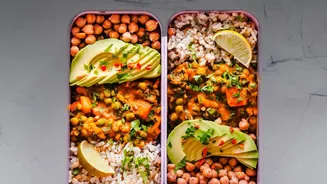
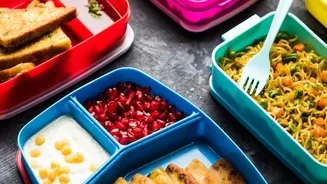
The best travel foods are those that require minimal fuss and have a good shelf life. Dry, low-moisture items are often the safest and easiest choices. Think theplas, stuffed parathas, idlis, and dry vegetable preparations. These traditional Indian travel staples are designed to last without refrigeration. Sandwiches are another great option, but it is wise to pack wet ingredients like chutney or sliced tomatoes separately to avoid soggy bread. Whole fruits such as apples, bananas, and oranges are easy to carry and require no preparation. For healthy snacking, roasted makhana, nuts, seeds, and granola bars provide sustained energy without the risk of spoilage.
Mastering the Art of Low-Mess Eating
The ideal travel meal is one you can eat without needing a full set of cutlery or risking spills on your clothes or vehicle. Finger foods are the clear winner here. Items that are individually portioned and easy to hold are perfect for eating on the move. Wraps and rolls are less messy than traditional sandwiches with loose fillings. Idlis cut into pieces and mixed with a dry chutney powder can be eaten easily with a fork or even a toothpick. Avoid carrying curries with thin gravies or oily dishes that can easily leak from containers. Opt for dry preparations and pack them in leak-proof, airtight containers to prevent any unfortunate accidents.
Hydration and Shelf-Stable Snacks
Staying hydrated is just as important as eating well, so carry a reusable water bottle that you can refill safely. Besides water, shelf-stable snacks are essential for keeping hunger at bay between meals. Dried fruits, nuts, seeds, roasted chickpeas, and whole-wheat crackers are excellent choices that provide nutrients and fiber. These items do not require refrigeration and can be tucked into any bag for easy access. Packing a variety of such snacks ensures you have healthy options readily available, helping you avoid the temptation of unhealthy roadside food.