






The New Corner Office
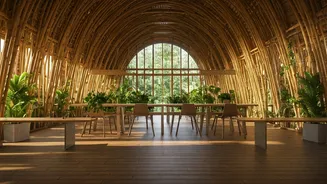
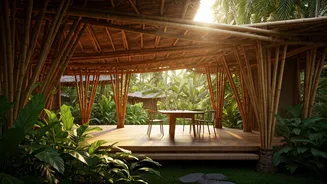
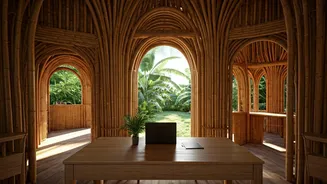
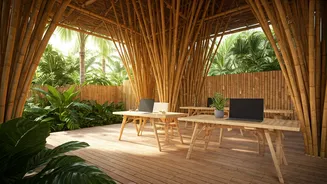
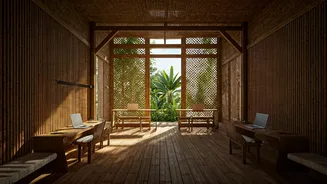
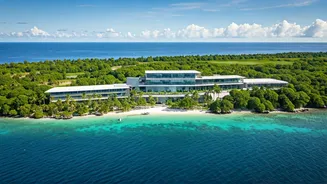
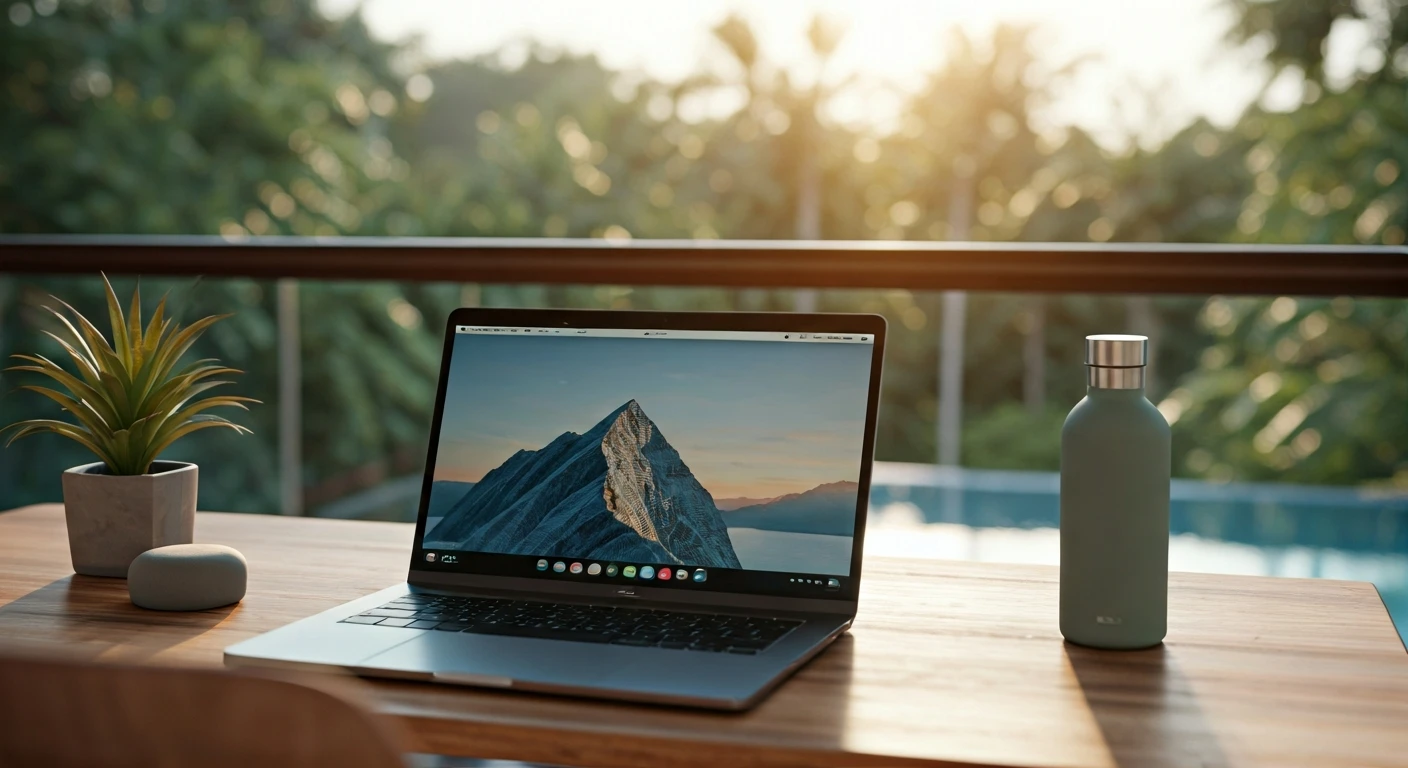
Imagine starting your workday with a yoga session, followed by a short scooter ride to a stunning open-air structure made almost entirely of bamboo. Inside, beneath a gracefully arching roof, you find your spot. High-speed internet is a given, as is excellent
coffee. Around you, a diverse group of entrepreneurs, coders, and creators are quietly focused on their laptops. This isn't a fantasy; it's the daily reality in Bali's burgeoning eco-hubs, particularly in hotspots like Canggu and Ubud. These are not just co-working spaces; they are architectural marvels and community centres rolled into one. Places like Outpost, Tropical Nomad, and Dojo Bali have become epicentres of the global remote work movement, and their aesthetic—a blend of tropical modernism and sustainable design—is a powerful draw. They offer more than a desk; they offer an experience, an identity, and a community for the modern, untethered professional.
From Indian Metros to Island Life
What's new is the significant and growing presence of Indian professionals in these spaces. Once dominated by Europeans and Australians, the demographic is visibly shifting. The post-pandemic world has seen many Indian companies embrace flexible work policies, untethering a highly skilled, tech-savvy workforce from their physical offices. For these individuals, often in their late 20s and 30s, the call of Bali is irresistible. It offers a perfect trifecta: a timezone that is only 2.5 hours ahead of India, making it easy to sync with teams back home; a significantly lower cost of living compared to major Indian metros; and a quality of life that the concrete jungles of Delhi or Mumbai can't match. They are software developers, marketing consultants, startup founders, and freelance writers, bringing their skills and ambitions to the island's vibrant ecosystem. This isn't a vacation; it's a strategic life and career choice.
More Than Just Wi-Fi
The appeal of these bamboo hubs goes deeper than aesthetics and internet speed. They are magnets for networking and collaboration. The curated environment fosters a sense of community that is often missing in traditional offices. Hubs regularly host skill-sharing workshops, expert panels, social events, and wellness activities like breathwork and meditation. For an Indian professional arriving on the island, these hubs provide an instant social and professional network. It’s a place to find a co-founder for a new venture over a smoothie, learn about cryptocurrency from a German developer, or simply share stories with a fellow 'digital nomad' from another corner of the world. The 'eco' aspect is also a significant factor, resonating with a generation increasingly conscious of sustainability. Working in a building that respects its natural environment feels fundamentally different—and better—than being in an air-conditioned high-rise.
The Practicalities of Paradise
Making the leap is more feasible than ever. While Indonesia's visa policies have been in flux, the introduction of a 'Second Home Visa' and other long-term options are making it easier for professionals to stay longer. Many start with a standard tourist visa, testing the waters before committing. Financially, the move makes sense for many. The monthly rent for a private villa with a pool in Bali can be less than the rent for a small apartment in a prime Mumbai or Bengaluru neighbourhood. Daily expenses, from food to transport, are also considerably lower. A monthly membership at a premium co-working hub might cost between ₹15,000 to ₹20,000—a price many are willing to pay for the infrastructure and community it provides. This combination of a welcoming community, professional infrastructure, and financial viability has created a powerful pull factor, turning a trickle of Indian visitors into a steady stream of remote workers.