






The Old Guard of Heavy Lifting
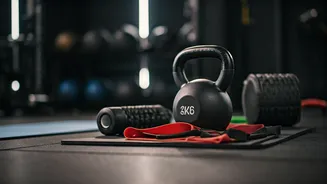
Walk into most gyms, and you’ll see the altar: the squat rack. For decades, the culture of 'getting big' and 'getting strong' has revolved around a few core powerlifting movements: the squat, the deadlift, and the bench press. The goal was progressive
overload—consistently adding more weight to the bar. Success was measured in kilograms, personal records were badges of honour, and a thick, muscular physique was the aesthetic ideal. This philosophy built powerful athletes and sculpted countless bodies, cementing heavy lifting as the gold standard for anyone serious about fitness. The mantra was simple: lift heavy, eat big, and rest. But for a growing number of people, from seasoned lifters to weekend warriors, a nagging question has emerged: at what cost?
A Shift Towards Longevity
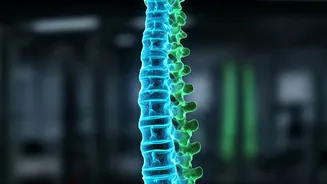
The new movement isn't anti-strength. Instead, it reframes strength as a component of overall health, not the sole objective. The focus is shifting towards longevity, functional movement, and injury prevention. At the heart of this philosophy is the spine. Proponents argue that a stiff, immobile spine, often a byproduct of repetitive, heavy compressive loads without counter-balancing movements, is a recipe for chronic pain, poor posture, and a decreased quality of life down the line. The new 'gym freak' is less interested in a one-rep max that leaves them immobile for a week and more interested in being able to play with their kids, pick up groceries without pain, and stay active well into their later years. They are trading some brute force for sustainable, fluid strength.
What is Spinal Flexibility?
When fitness experts talk about spinal flexibility, they don't just mean being able to touch your toes. They're referring to the spine's ability to move through its full, natural range of motion: flexion (bending forward), extension (arching back), lateral flexion (side-bending), and rotation (twisting). A healthy spine should be able to do all of these things smoothly and without pain. This mobility is crucial not just for complex athletic movements but for everyday actions. Training for it involves dynamic stretches, mobility drills, and exercises borrowed from disciplines like yoga, Pilates, and gymnastics. Think less about static holds and more about flowing movements like cat-cows, spinal waves, and rotational lunges. The goal is to decompress the vertebrae and hydrate the spinal discs, improving nerve function and overall movement quality.
The Benefits of a Mobile Spine
Prioritising spinal health yields benefits that extend far beyond the gym. A mobile spine can dramatically reduce the risk of back injuries, which are among the most common complaints for adults. By improving posture and core stability, it helps the entire body function more efficiently, distributing force evenly rather than concentrating it in one vulnerable area. For athletes, a flexible spine is a source of power. In sports like golf, tennis, or cricket, rotational power generated from the core and transferred through a mobile spine is the key to a powerful swing or throw. Even for lifters, a more mobile thoracic (upper) spine can improve overhead pressing mechanics and squat depth, potentially leading to safer, more effective lifts in the long run.
It's a Balance, Not a Replacement
This trend doesn't mean you should throw away your barbell. Heavy lifting is still one of the most effective ways to build bone density, increase metabolic rate, and build muscle. The shift is not about replacement, but integration. The modern approach suggests that your mobility and flexibility work should be as non-negotiable as your main lifts. This could mean dedicating 10-15 minutes before every workout to dynamic spinal mobility drills. It could mean having one or two dedicated 'movement' days a week focused on yoga or mobility flows. By building a foundation of flexibility, you create a more resilient and capable body, allowing you to continue lifting heavy—but with better form, less risk, and for many more years.