

Create Distinct 'Zones'
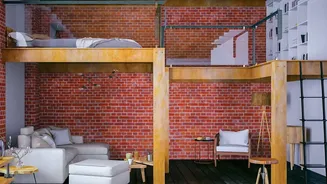
In a studio or a small one-bedroom apartment, one room often has to serve as a living room, dining area, and sometimes even an office. The key to preventing chaos is to create distinct zones for each activity. You can achieve this without building walls.
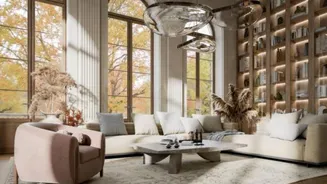
Arrange your sofa to face away from your dining or work area, creating a clear visual break. Use an area rug to anchor your living space, defining its borders. A strategically placed open-backed bookshelf can also act as a permeable wall, separating your sleeping area from your living zone while still allowing light to pass through, maintaining an open feel. This act of 'zoning' tells your brain that a single room has multiple purposes, making it feel more organized and expansive.
Embrace Multi-Functional Heroes
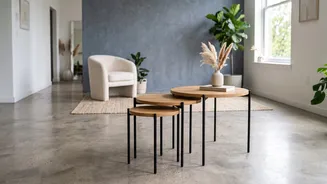
Every piece of furniture in a small apartment should work hard. Multi-functional furniture is your greatest ally in the fight for space. Think of an ottoman that opens up for storing blankets or magazines, or a coffee table with a top that lifts to become a comfortable work-from-home desk or dining surface. A sleeper sofa is a classic example, providing comfortable seating by day and a guest bed by night, eliminating the need for a separate guest room. Even smaller pieces, like nesting side tables, offer flexibility, providing extra surface area when you have company and tucking away neatly when you don't. Investing in these double-duty pieces means you need less furniture overall, which instantly frees up floor space.
Go Vertical and Think Tall
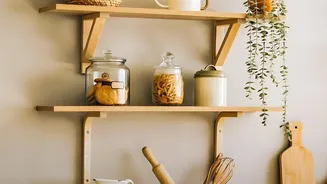
When floor space is limited, the only way to go is up. Utilizing your vertical space is a classic design trick for small rooms. Instead of a wide, short bookcase, opt for a tall, narrow one that draws the eye upward and makes the ceiling feel higher. Wall-mounted floating shelves are a renter's best friend; they provide storage and display space for books, plants, and decor without taking up a single inch of the floor. This approach not only declutters your surfaces but also adds a sense of height and airiness to the room. Over-the-door organizers and wall-mounted desks are other excellent ways to reclaim valuable real estate.
Choose 'Lighter' and Leggier Furniture
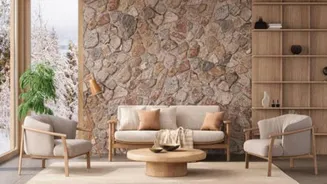
The physical weight of furniture is one thing, but its visual weight is another. Heavy, bulky furniture that sits directly on the floor can make a room feel crowded and grounded. Instead, opt for pieces with a 'lighter' profile. Look for sofas, armchairs, and cabinets with raised, slender legs. This allows you to see the floor underneath, creating an illusion of more space and letting light and air flow more freely. Similarly, materials like glass, acrylic, or lucite for coffee tables or consoles have a 'barely-there' quality, providing function without adding visual clutter. A transparent piece doesn't block sightlines, making the room feel more open.
Maintain Clear, Wide Pathways
One of the biggest mistakes in a small space is cramming in too much furniture, leaving narrow, awkward paths to navigate. A functional layout is as much about the empty space as it is about the furniture. Before you finalise your arrangement, think about your daily movements. You need clear, unobstructed pathways from the door to the window, and between your main zones. As a rule of thumb, try to keep main walkways at least 30 to 36 inches wide. This not only makes the space easier to live in but also significantly enhances the feeling of openness. Pushing larger pieces against the walls can help maximize this central, open area.
Use Mirrors to Create Illusion
It's one of the oldest tricks in the book for a reason: it works. A large mirror can instantly make a room feel bigger and brighter. When placed strategically, a mirror can reflect a view from a window, doubling your natural light and bringing a sense of the outdoors in. Leaning a large, full-length mirror against a wall in a darker corner or a narrow hallway can create an illusion of depth, making the space feel less confined. The reflection breaks up flat walls and adds a dynamic quality to the room, tricking the eye into perceiving more square footage than is actually there.