




Windows are a room's greatest asset, flooding it with light and offering a view to the world. But they also present a common design puzzle. Here’s how to arrange your furniture to celebrate your windows, not just work around them.
Celebrate the Window as a Focal Point
Before you move a single
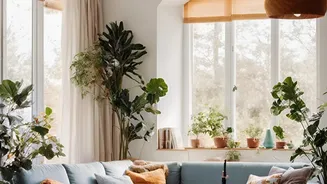
piece, decide on the role of your window. Is it the room's natural focal point? If you have a large picture window, a bay window, or one with a stunning view, the answer is likely yes. In this case, your furniture arrangement should honour it. Orient your main seating area to appreciate the view. This doesn't mean everything must face the window, but the layout should invite people to enjoy the light and scenery. Instead of blocking it, frame it. Consider placing two armchairs with a small table in between them facing the window, or have a sofa perpendicular to the window wall. This creates a conversational area that still benefits from the light and view without making the window an obstacle.
The Sofa Question: In Front or Not?
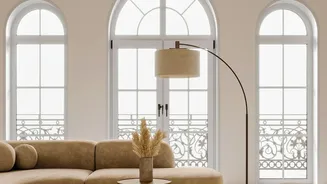
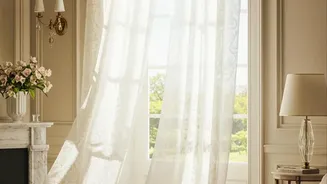
Placing a sofa in front of a window is one of the most debated topics in interior design. In many rooms, especially smaller ones, it's the only logical placement. If you do this, there are a few rules to follow for a successful look. First, opt for a sofa with a low profile. A back that sits at or below the windowsill keeps the look clean and intentional, ensuring you don't block too much light or the view itself. Second, leave some breathing room. Avoid pushing the sofa directly against the wall. A gap of at least a few inches allows curtains to hang freely and prevents the space from feeling cramped. This also helps with airflow from any radiators that might be placed under the window. Be mindful of sun exposure, as direct sunlight can cause fabric to fade over time. Using sheer curtains or blinds can help mitigate this.
Create a Cozy Reading Nook
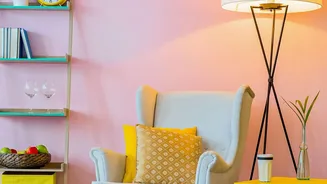
A window is the perfect accomplice for a cozy reading nook. If you have a suitable window, especially one in a bedroom or a quiet corner of a living room, you can create a dedicated space for relaxation. A comfortable armchair angled toward the window, paired with a small side table and a good lamp for evening reading, is a classic and effective setup. For a more built-in feel, a window seat is an excellent option. This can be created with a custom bench that offers hidden storage underneath or by repurposing a low dresser or chest. The key is comfort: add a thick, padded cushion, plenty of pillows, and a soft throw blanket to make it an inviting escape. Ensure the window itself is energy-efficient to avoid drafts in winter or excessive heat in summer.
Placing a Desk for Light and Focus
When setting up a home office, the window placement is critical for productivity and comfort. Placing a desk directly facing a window offers the benefit of natural light and a view, which can boost mood and reduce eye strain. However, it also presents the risk of glare on your computer screen and distractions from outside. A popular and often more practical solution is to place the desk perpendicular to the window. This arrangement allows you to get ample light from the side while minimizing direct glare. You can easily turn your head to enjoy the view during a break without it being in your direct line of sight while you work. If you must face the window, using adjustable blinds or sheer curtains can help you control the light throughout the day.
Practicalities: Flow, Function, and Scale
Beyond specific furniture pieces, always consider the practical aspects of your layout. Ensure there are clear pathways for people to walk through the room without bumping into furniture. You should be able to easily open and close the window and its treatments. Avoid placing tall, bulky furniture near windows, as it can make a room feel smaller and darker. Instead, opt for pieces with a lighter visual weight, such as those with exposed legs, which create a sense of openness. Pay attention to scale; a massive sofa will dwarf a small window, throwing off the room's balance. The goal is to create a harmonious relationship between your furniture and your home's architecture, allowing both to shine.