







Your Brain's New Diet
The core of the issue lies in how our brains respond to different types of media. Short-form video platforms like TikTok and Instagram Reels are designed to deliver rapid, unpredictable rewards. Each swipe is a gamble that might deliver a hilarious clip,
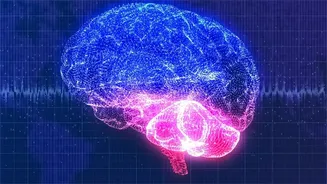
a shocking revelation, or a cute animal. This system taps into the brain's dopamine reward pathway. Dopamine is not just a 'pleasure chemical'; it's the 'motivation chemical' that drives us to seek rewards. Every time you find an engaging video, you get a small dopamine hit, which reinforces the behavior of scrolling. This creates a powerful feedback loop where your brain learns to crave constant, bite-sized stimulation. It’s like being on a diet of only sugar snacks—quick, easy energy, but lacking in substance and leaving you wanting more almost immediately.
Training for a Sprint, Watching a Marathon
Consuming an endless stream of 15-second videos effectively trains your brain for a specific task: rapid context switching. You become incredibly efficient at dropping one piece of information and picking up another. Researchers call this phenomenon 'attention switching'. The constant novelty conditions your brain to expect new stimuli at a relentless pace. This creates a high cognitive load and can lead to a feeling of mental fog or 'brain rot' after a long scrolling session. In contrast, a feature film is a marathon of attention. It requires sustained focus, patience, and the ability to follow a single narrative thread, often with slow burns and subtle developments. When your brain has been trained to sprint from one dopamine hit to the next, settling into the slower, more deliberate pace of a film can feel boring or even agitating.
Losing the Plot, Literally
The impact on the movie-watching experience is direct and palpable. When your brain is accustomed to high-arousal, fast-paced content, the quiet, character-building scenes of a film can fail to hold your attention. This is because heavy media multitaskers can become accustomed to high-arousal environments and struggle in low-arousal situations. You might find yourself checking your phone during dialogue, missing crucial plot points or subtle emotional cues from actors. This 'attentional residue'—where your brain is still partially thinking about the last thing it saw—makes deep immersion difficult. The result is a fragmented viewing experience where you're physically present for the film, but mentally you've already checked out, unable to achieve the narrative immersion that makes movies so magical.
Reclaiming Your Inner Cinephile
The good news is that attention is a muscle, not a finite resource. It's possible to retrain your brain for long-form focus. It’s not about abandoning short videos entirely, but about being more intentional with your media habits. Neuropsychologists suggest creating 'friction' to break the habit of mindless scrolling. Start by making your phone less interesting: turn off non-essential notifications, move social media apps off your home screen, and set usage limits. Before settling in for a movie, create a 'digital buffer zone'. Put your phone in another room for at least 15-30 minutes beforehand to allow your brain to transition away from a state of hyper-stimulation. This simple act helps reset your cognitive state, making it easier to sink into the world of the film. Deliberately choosing slower, more demanding films can also act as an exercise in sustained attention, helping you rebuild your capacity for deep focus.